Japan Sinks
A 1973 novel about Japan sinking due to a geological fault shift
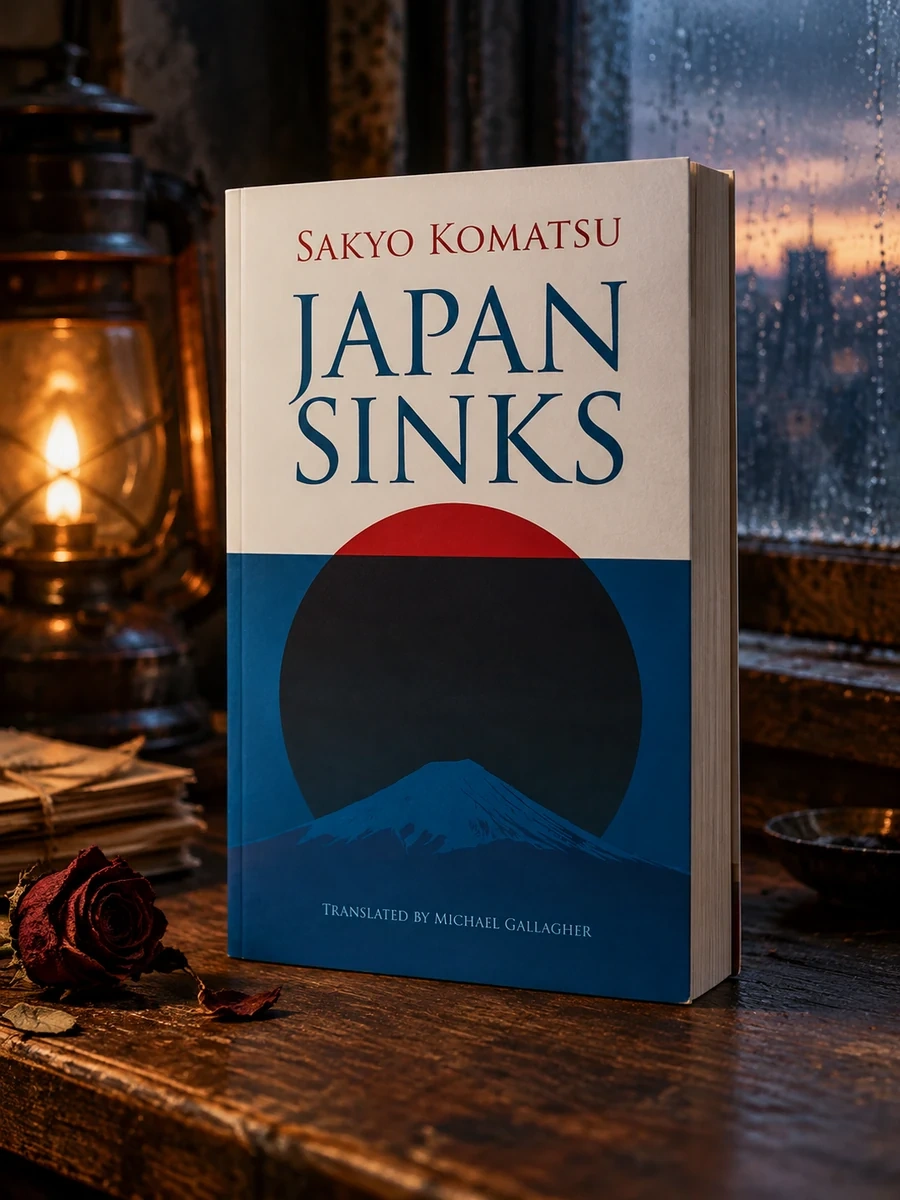
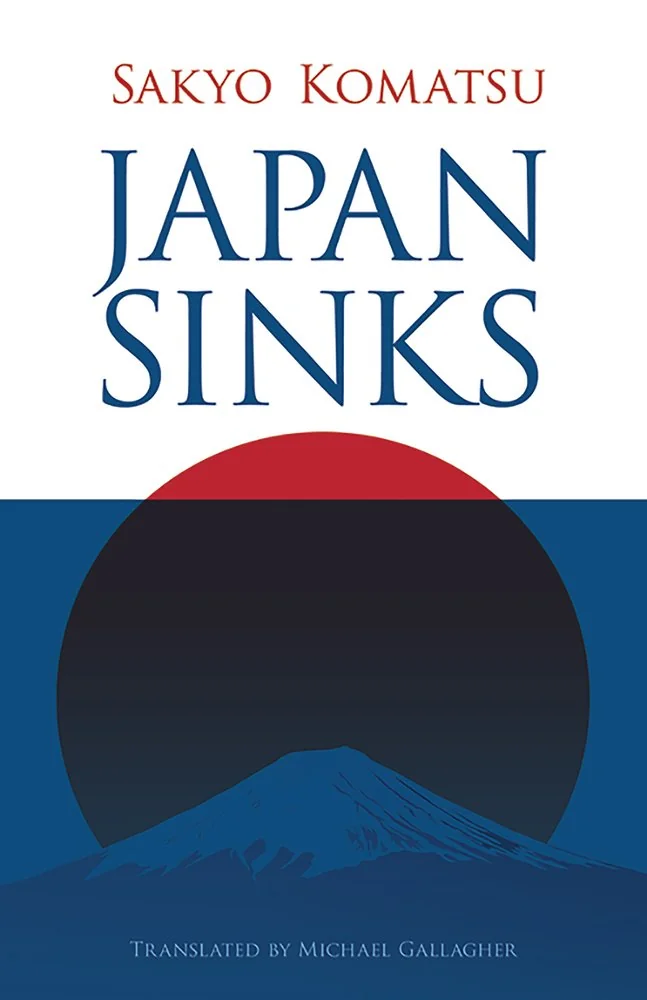
Komatsu constructs a narrative where a vanished island signals the end of Japan as a landmass. The plot relies on the theory that the archipelago is separating from the mainland due to tectonic forces. Readers follow characters grappling with the imminent loss of their country. The text examines how society reacts when the ground itself becomes hostile. This approach creates a sense of dread rooted in geological reality rather than supernatural elements.
Published in 1973, this novel reflects Japanese anxieties about seismic activity. It won the Mystery Writers of Japan Award and the Seiun Award. The work anticipated major earthquakes in Osaka-Kobe and Tohoku, linking fictional events to real historical trauma in Japan.


📝 Description: Japan Sinks
💎 Our verdict on Japan Sinks
📖 Why choose it
Why this book is worth reading
Readers who appreciate hard science fiction and detailed world-building will find this novel deeply engaging. It offers a chillingly realistic exploration of how society reacts when the ground itself becomes hostile, focusing on the psychological and political effects of imminent destruction. By grounding the narrative in rigorous scientific speculation regarding tectonic forces, Komatsu creates a credible sequence of events that feels terrifyingly plausible. Those interested in geological disaster narratives and the human cost of catastrophic collapse will gain from its multiple points of view, which highlight the diverse perspectives of those grappling with the loss of their nation. It is ideal for fans of prescient works that foreshadow real-world disasters through speculative fiction.
⭐ Reader reviews
Reader rating
Komatsu constructs a narrative of profound dread rooted in geological reality rather than supernatural elements. The novel excels in its credible sequence of events, using the theory of tectonic separation to build a sense of inevitability. Through diverse perspectives, it effectively highlights the human cost alongside physical destruction. This approach creates a chilling atmosphere suitable for readers who enjoy structural collapse and societal breakdown. While those seeking light romance or non-scientific horror may find its focus less appealing, fans of hard science fiction will appreciate the rigorous speculation. It remains a significant work in speculative fiction, offering a unique examination of national identity against the backdrop of impending geological doom.
📖 Read on the blog
🏛 Books from this publisher Dover Publications








You might also like
See more →





Have a question about this item?
Ask about the edition, condition, delivery or anything else — we reply by email or phone, usually within a day.
