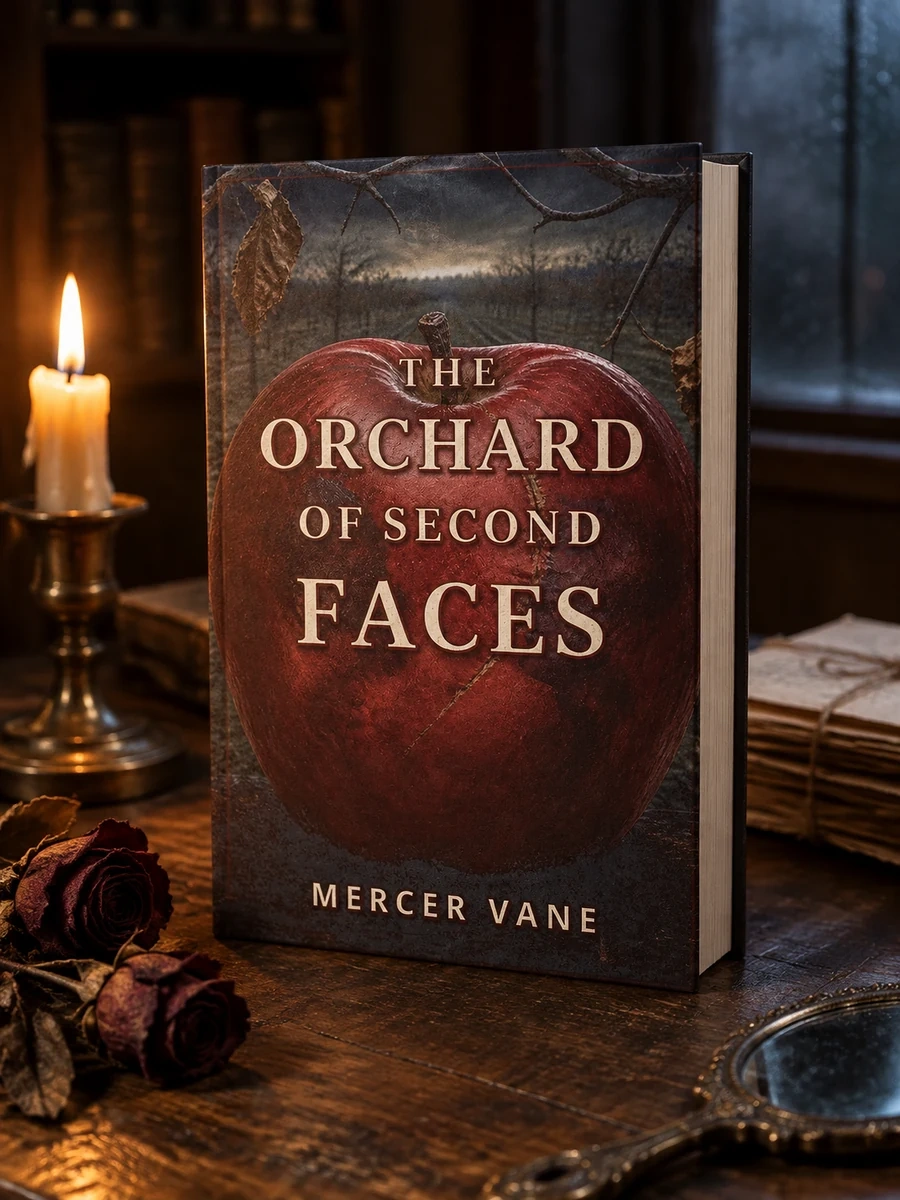
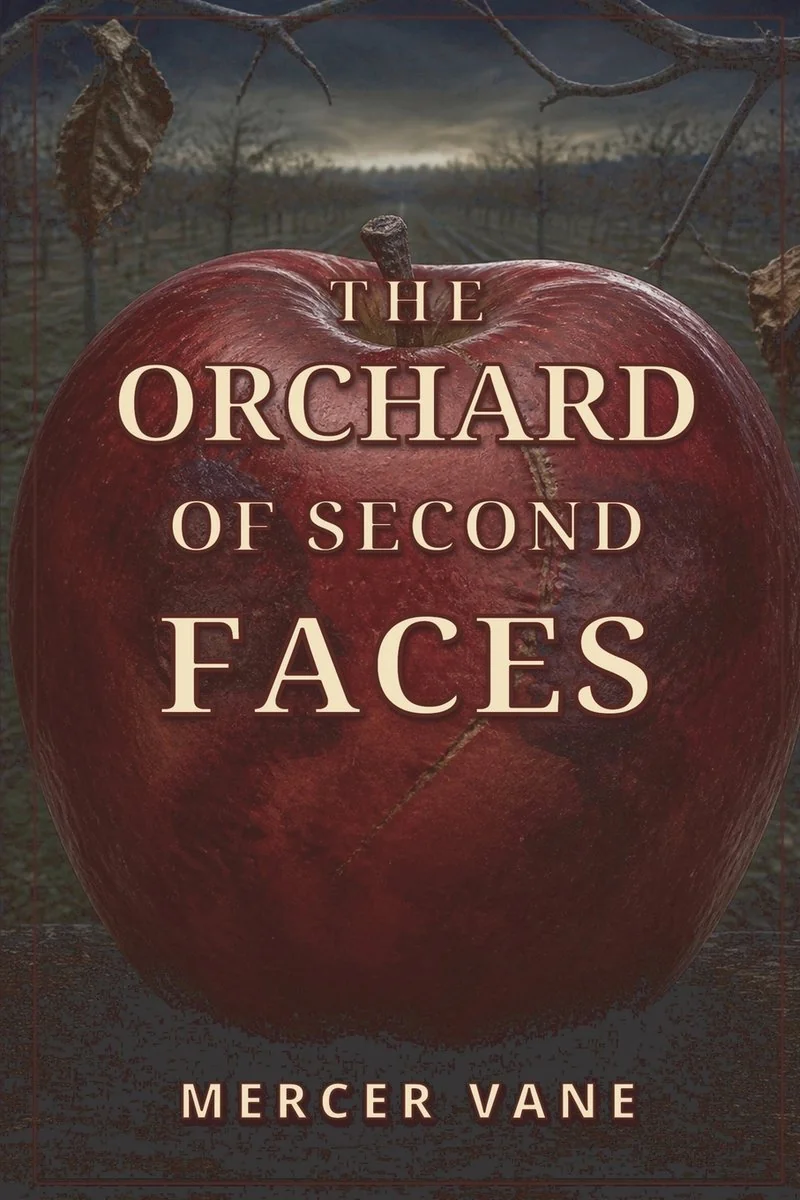
The Orchard of Second Faces
A rural folk-horror tale about an impossible apple crop and escalating violence in Cairn.
The story follows Nathan Wren as he investigates the strange second harvest from his family’s orchard. While the apples remain profitable and sound, the surrounding town of Cairn deteriorates into cruelty. Nathan looks for logical explanations such as poison or mishandling, but finds only contradictions. As violence spreads across farms and the sheriff's office, his quest for a single cause becomes perilous. The narrative emphasizes that the past has not returned because it never left.
The novel operates within the tradition of rural folk-horror, drawing on themes of agricultural cycles and community dynamics. It examines how local histories and grudges persist in isolated settings, reflecting a timeless struggle between nature's abundance and human cruelty without referencing specific historical periods or external literary movements.


📝 Description: The Orchard of Second Faces
💎 Our verdict on The Orchard of Second Faces
📖 Why choose it
Why this book is worth reading
Readers who appreciate slow-burn atmospheric horror grounded in psychological tension will find this narrative deeply rewarding. It suits those fascinated by the brutal persistence of human grievance and the weight of inheritance. The book appeals to audiences who prefer character-driven dread over jump scares, offering a study of how the past remains active within a community. Those who enjoy rural settings where nature reflects moral decay will appreciate the focus on escalation rather than resolution.
⭐ Reader reviews
Reader rating
Mercer Vane crafts a compelling tale of rural decay where the orchard’s abundance masks a terrifying social collapse. The narrative excels in building dread through contradiction, as logical explanations for the violence fail against the backdrop of escalating cruelty. By focusing on psychological tension and the persistence of the past, Vane creates an unsettling environment where the horror stems from human nature rather than supernatural spectacle. This approach suits readers who value atmospheric depth and moral ambiguity over fast-paced action or clear supernatural answers, making it a strong choice for fans of thoughtful, grim folk horror.