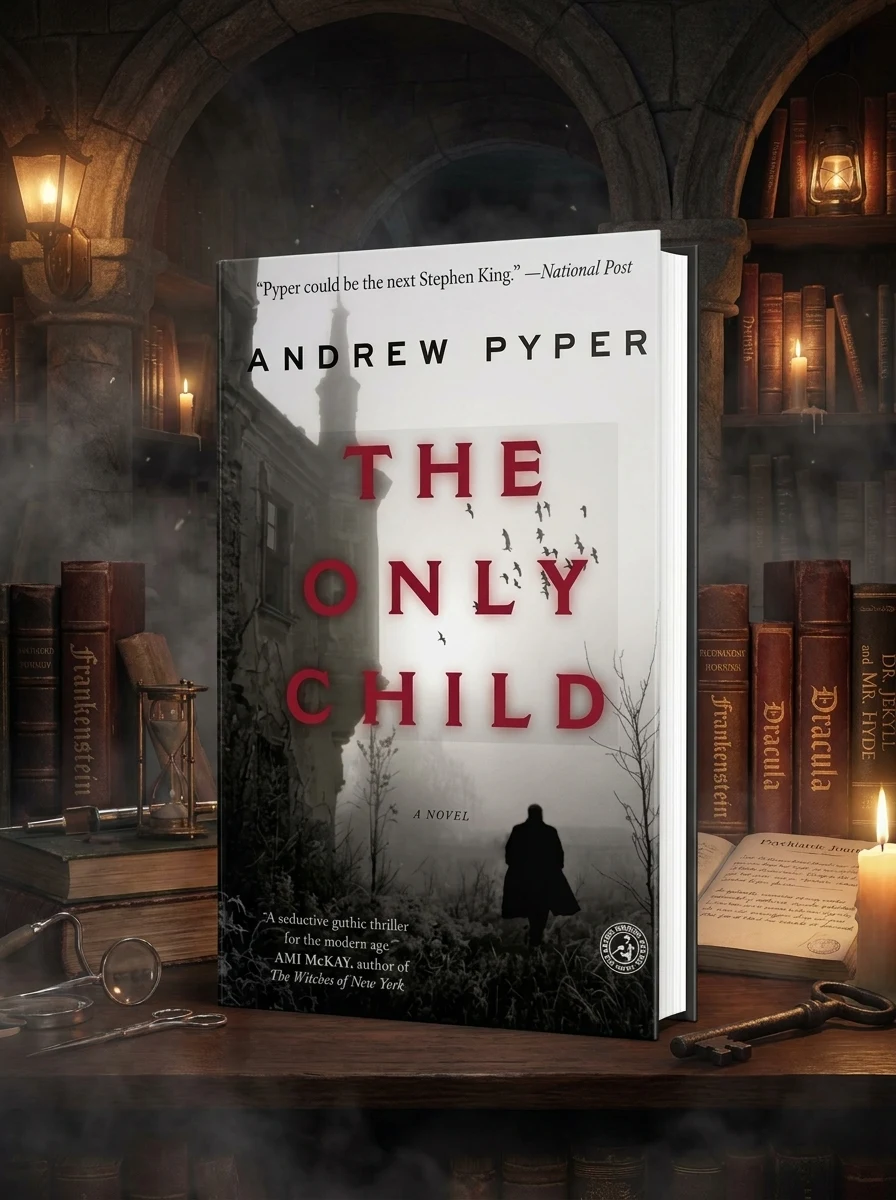

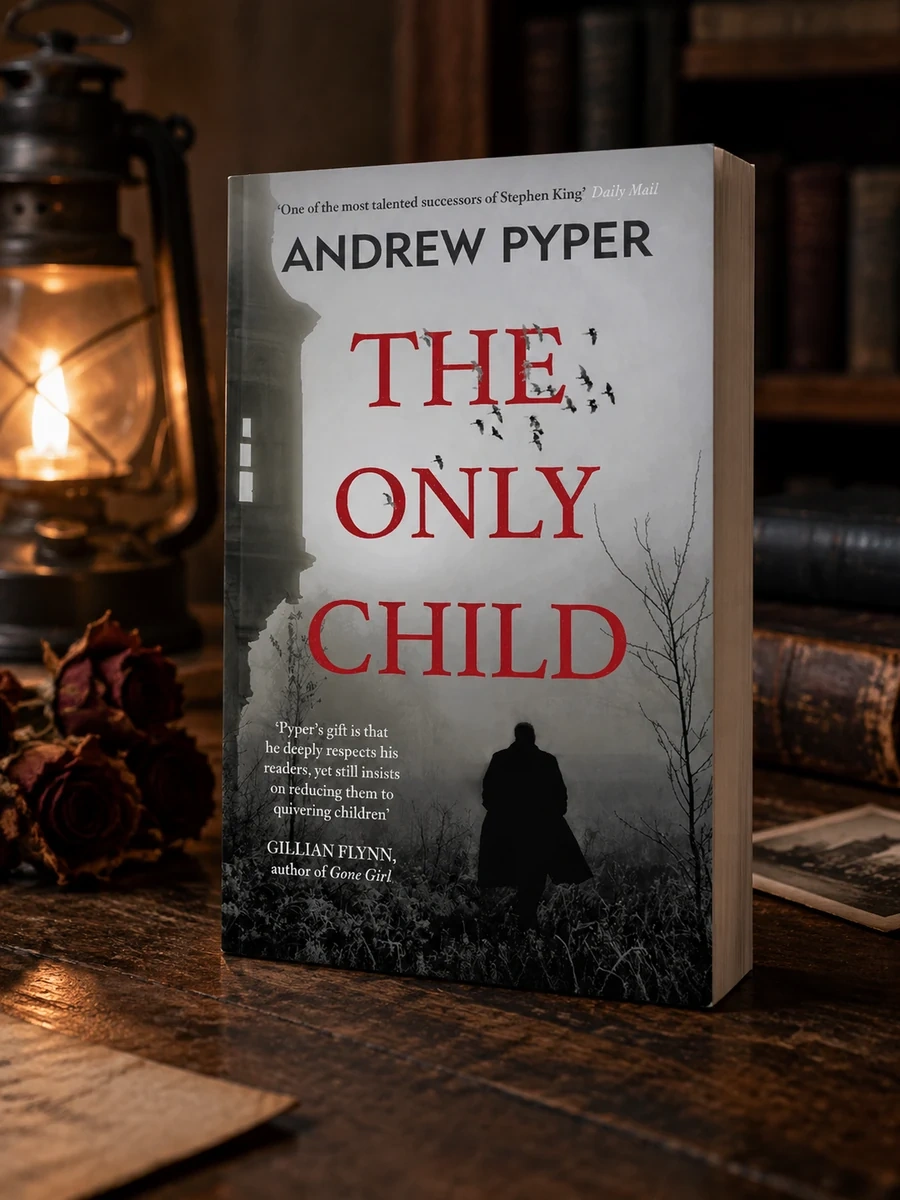
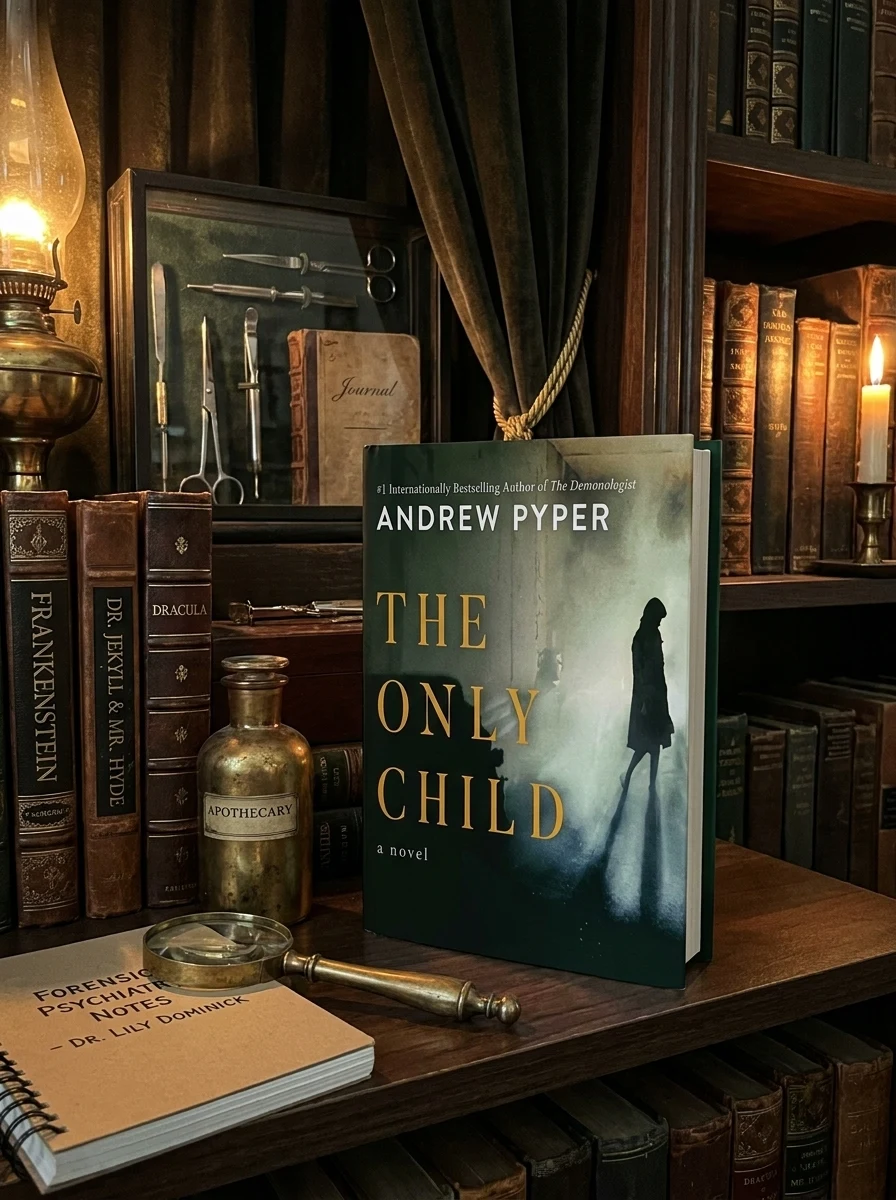
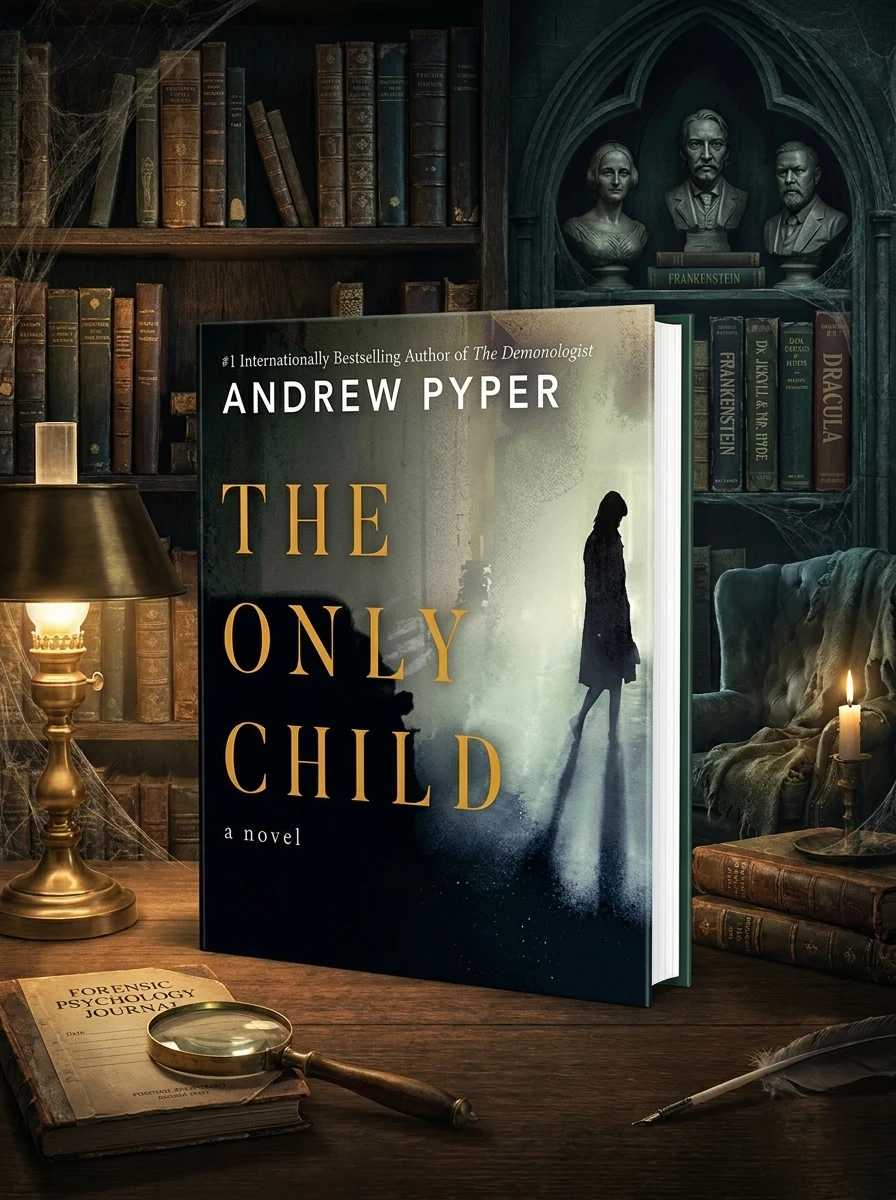
The Only Child
A forensic psychiatrist investigates a suspect claiming to be her immortal father.
Dr. Lily Dominick faces a professional crisis when her patient claims immortality and literary inspiration. She must determine if he is delusional or telling the truth. The investigation threatens her life as she uncovers secrets about her own past. Pyper uses the framework of forensic psychiatry to examine how we define reality. The narrative structure relies on interviews and psychological evaluation rather than traditional action sequences. This approach creates a tense atmosphere where every word spoken by the suspect carries weight. The story challenges the reader to question the reliability of memory and identity. It is a study in obsession and the burden of heritage.
Published by Simon & Schuster in 2018, this work sits within the contemporary horror genre. It draws on traditions established by Shelley, Stevenson, and Stoker. The book appeals to American readers interested in gothic fiction and supernatural narratives that blend historical references with modern psychological thriller elements.


📝 Description: The Only Child
💎 Our verdict on The Only Child
📖 Why choose it
Why this book is worth reading
Readers interested in the complex intersection of history and horror will find significant value in this narrative. It appeals to those who enjoy examining how we define reality through the framework of forensic psychiatry rather than traditional action sequences. The book offers a tense atmosphere where every word carries weight, challenging the reader to question the reliability of memory and identity. It is ideal for fans of gothic fiction who appreciate a study in obsession and the burden of heritage. Those seeking a tale that merges modern psychological profiling with classic horror elements will gain from its exploration of delusion versus truth. The narrative provides a compelling look at professional duty clashing with personal history, offering depth rather than straightforward answers.
⭐ Reader reviews
Reader rating
Pyper constructs a plot where the boundary between mental illness and historical truth becomes dangerously thin, creating a unique psychological landscape. The narrative structure relies on interviews and evaluations, generating tension through dialogue rather than action. This approach suits readers who enjoy gothic fiction and the exploration of legacy. However, those seeking straightforward procedural thrillers may find the supernatural aspects jarring. The text does not offer easy answers but presents a complex web of identity. It is a compelling study in obsession that challenges assumptions about reality. By blending psychological analysis with supernatural elements, the book engages readers interested in the reliability of memory. It stands as a thoughtful examination of heritage and sanity within the horror genre.
📖 Read on the blog
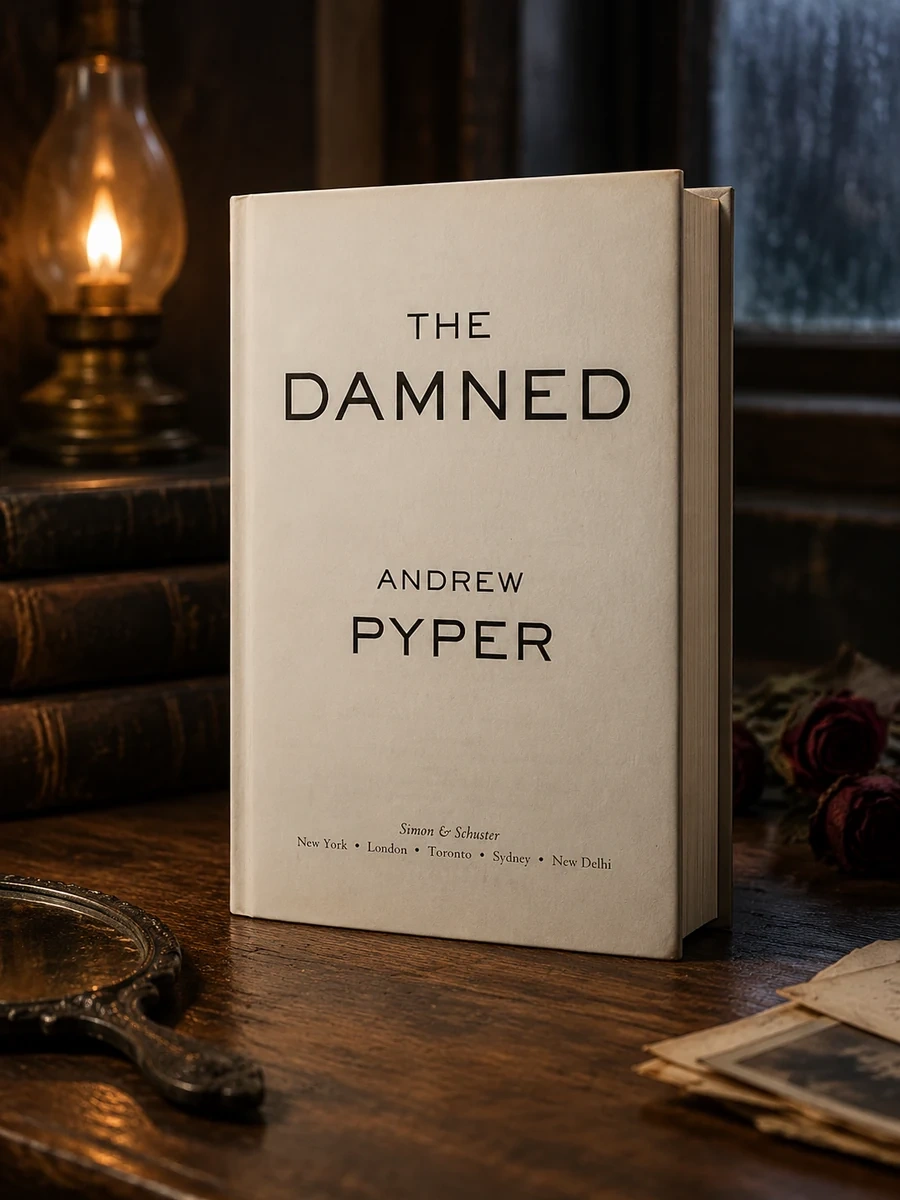
✍️ More books by this author Andrew Pyper



🏛 Books from this publisher Simon & Schuster
You might also like
See more →


Have a question about this item?
Ask about the edition, condition, delivery or anything else — we reply by email or phone, usually within a day.
