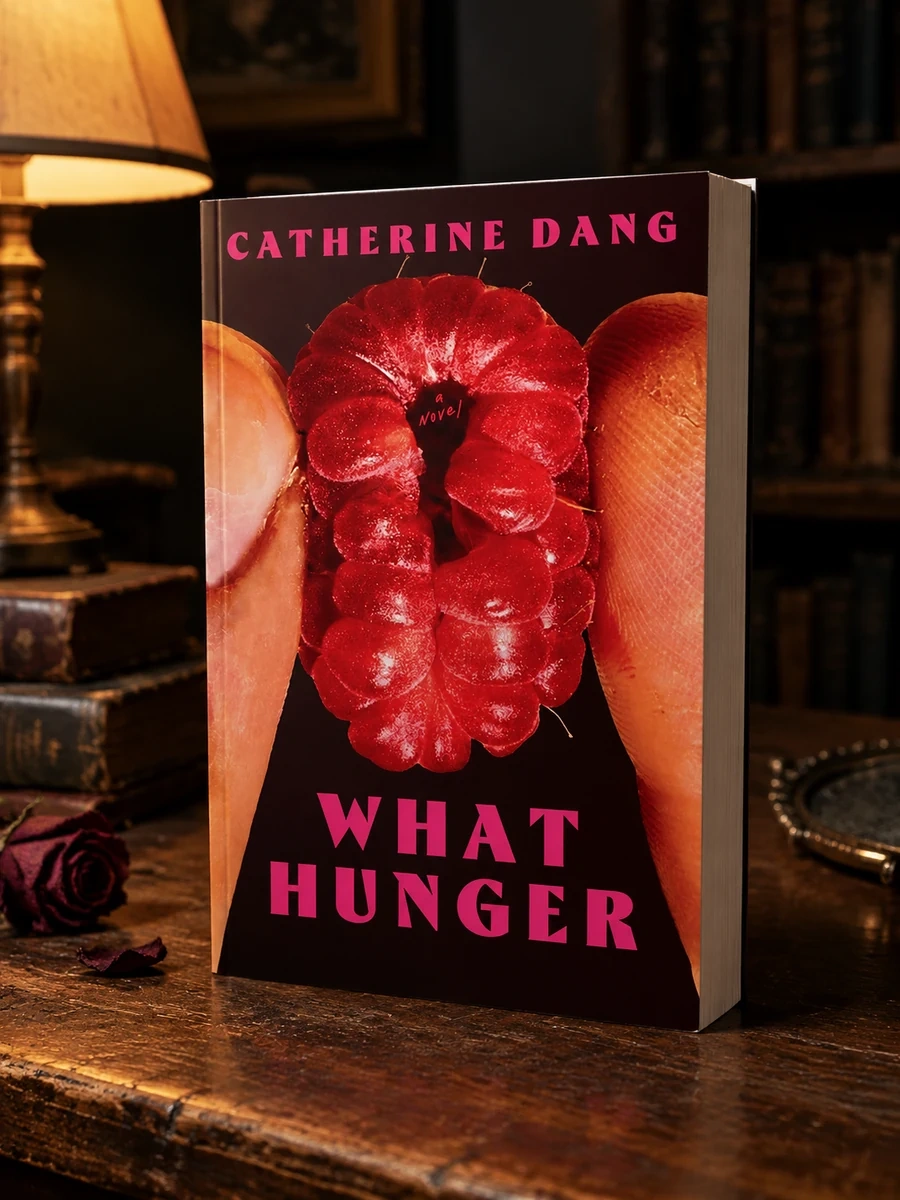
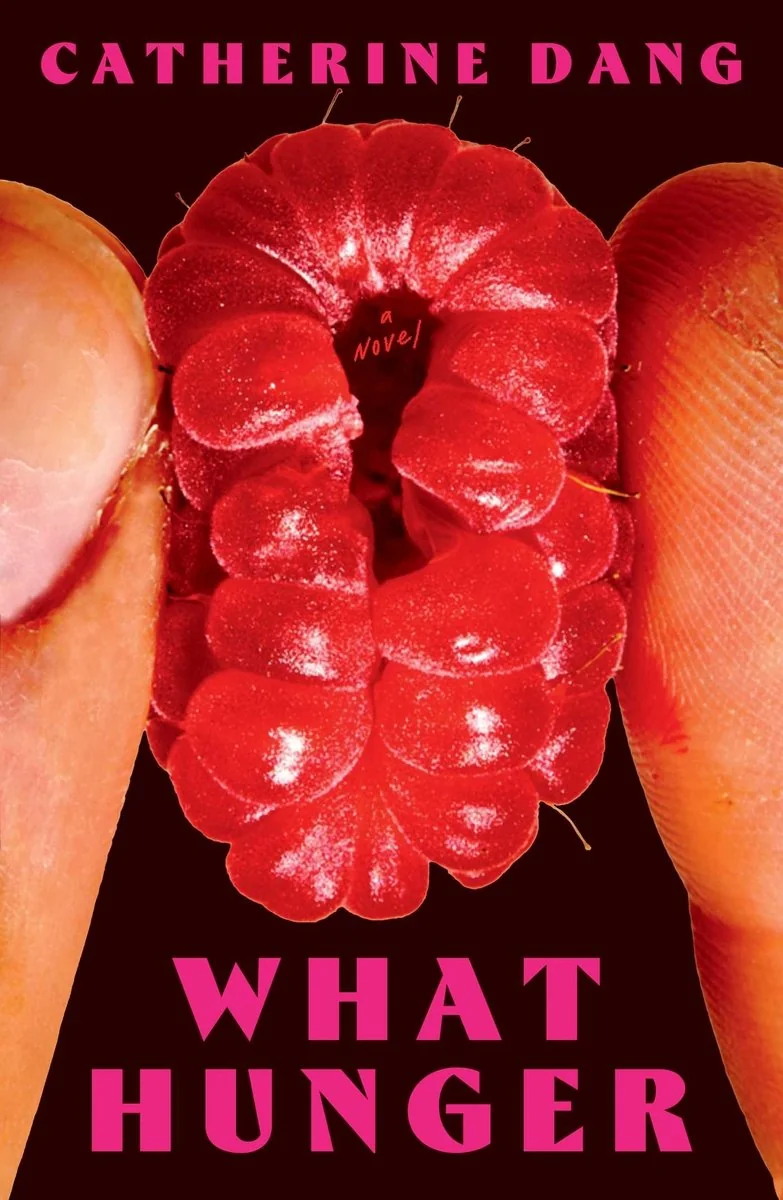
What Hunger
A teen girl gains a terrifying hunger for raw meat after a traumatic night at her first party.
Ronny Nguyen feels stuck in the summer before high school, watching her brother Tommy shine while she remains invisible to her parents. The family’s past in Vietnam is only discussed through meals, emphasizing the value of survival and the danger of taking meat for granted. After a pivotal event at a party, Ronny discovers she has developed an uncontrollable urge to eat raw flesh. This physical change mirrors her internal shift from passive observer to someone wielding dangerous power. The story uses food as a lens to explore family dynamics and cultural displacement. It does not offer easy answers about identity or healing.
The narrative is rooted in the Vietnamese immigrant experience, specifically referencing the aftermath of the war. It uses traditional dishes like nem chua and pho tai to illustrate how the parents teach their children about survival and the weight of their history through food.


📝 Description: What Hunger
💎 Our verdict on What Hunger
📖 Why choose it
Why this book is worth reading
Readers seeking character-driven horror that prioritizes psychological depth over jump scares will find this book rewarding. It appeals to those interested in how trauma reshapes identity and how cultural heritage can transform from a source of comfort into something monstrous. The narrative offers a nuanced look at family dynamics, using food as a central lens to discuss survival and power. Those who enjoy stories that refuse easy answers about healing or belonging will appreciate its complexity. It is ideal for readers who want horror that engages with the specific culinary traditions and historical memories of Vietnam, providing a visceral yet intellectual reading experience that challenges conventional genre expectations.
⭐ Reader reviews
Reader rating
Catherine Dang delivers a potent exploration of identity through the lens of visceral body horror. By anchoring the supernatural in specific Vietnamese dishes like nem chua, she creates a unique atmosphere where cultural memory becomes dangerous power. The narrative effectively mirrors internal shifts with physical changes, avoiding simplistic resolutions for its protagonist’s trauma. This approach suits readers who prefer atmospheric, literary horror over fast-paced action or traditional ghost stories. While it may alienate those seeking straightforward thrills, it rewards those willing to engage with its dense thematic layers regarding family, survival, and cultural displacement.
📖 Read on the blog
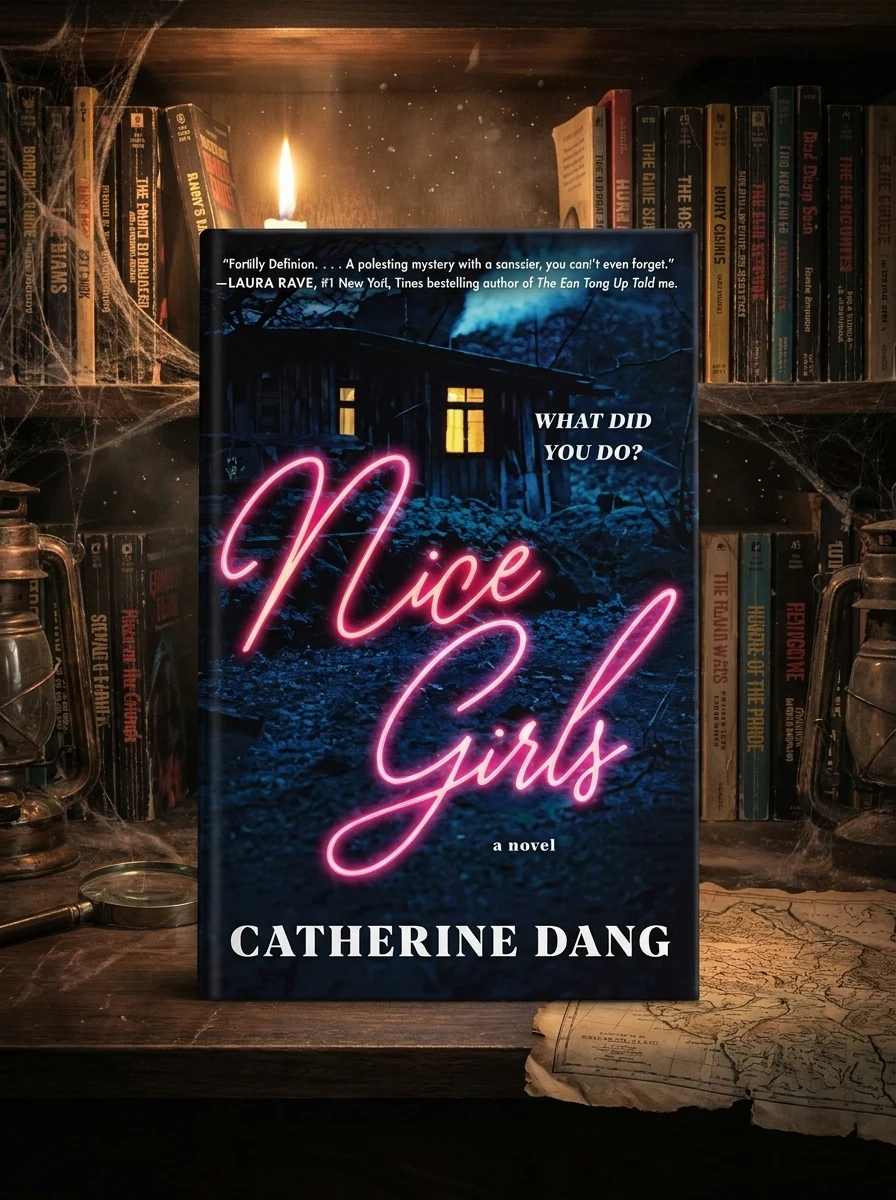
✍️ More books by this author Catherine Dang
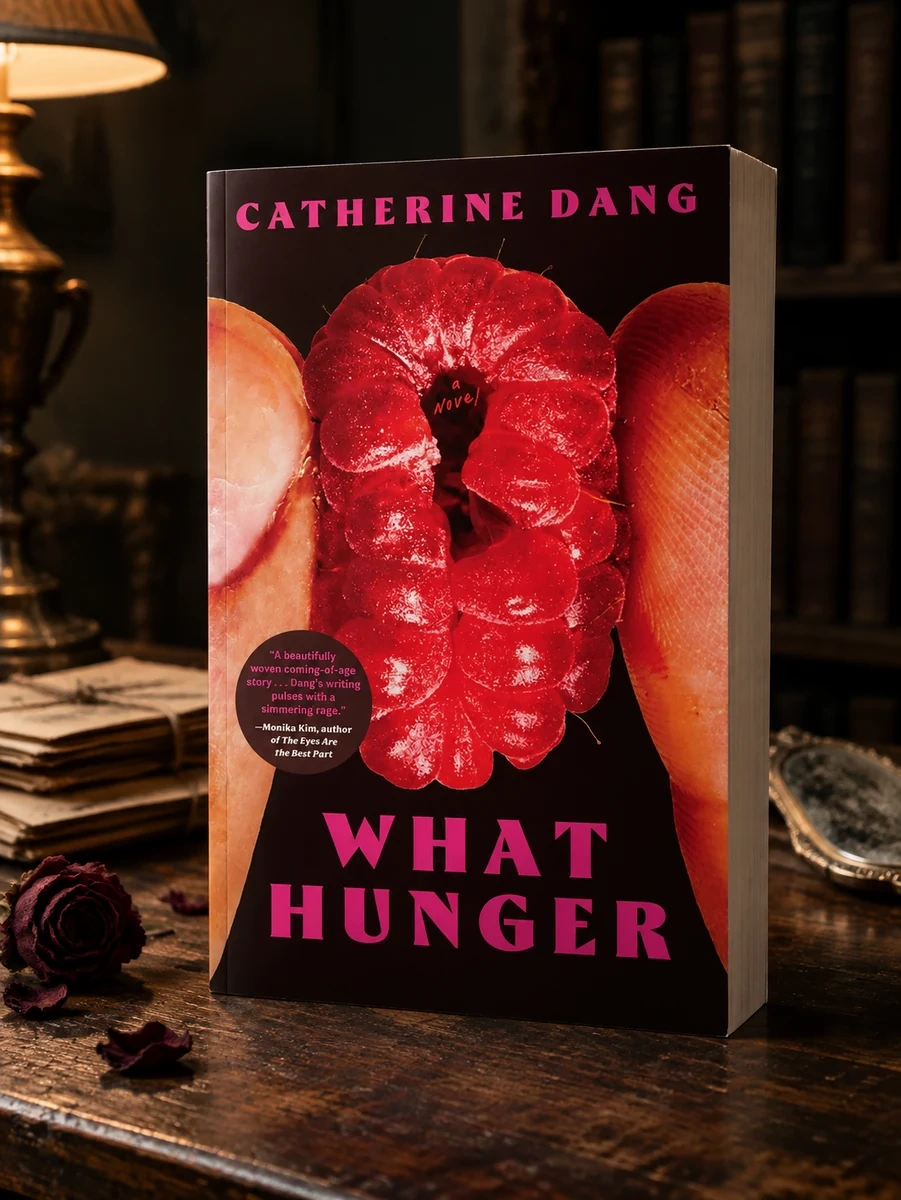


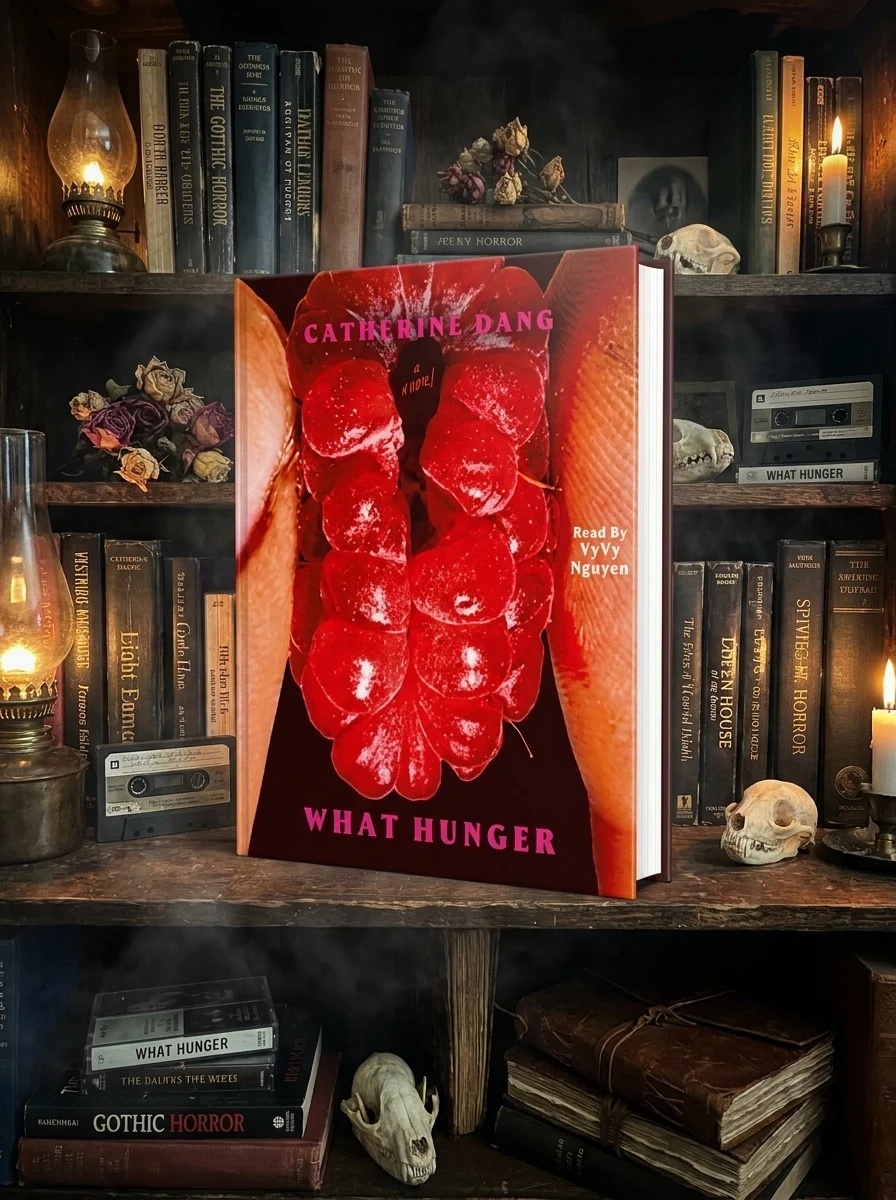
🏛 Books from this publisher Simon & Schuster




You might also like
See more →

Have a question about this item?
Ask about the edition, condition, delivery or anything else — we reply by email or phone, usually within a day.
