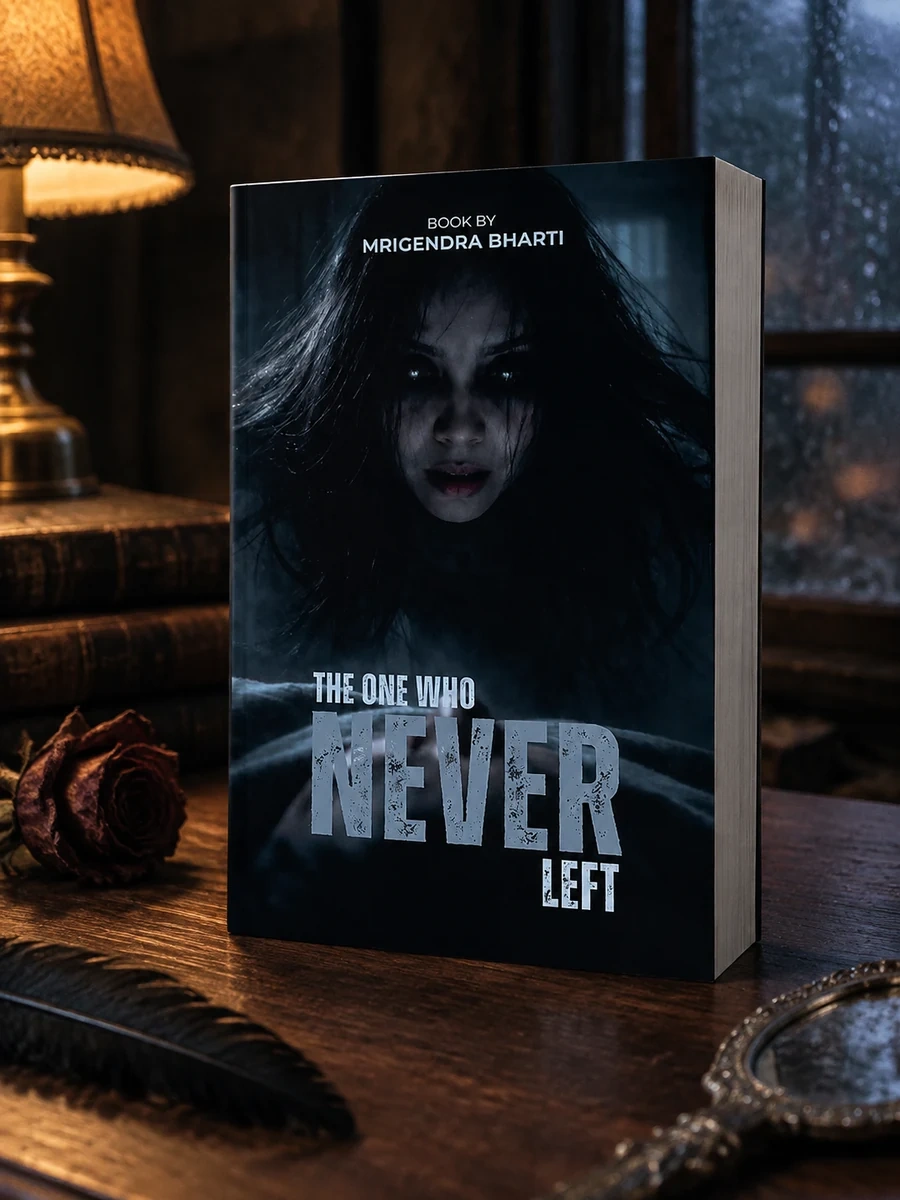
The One Who Never Left
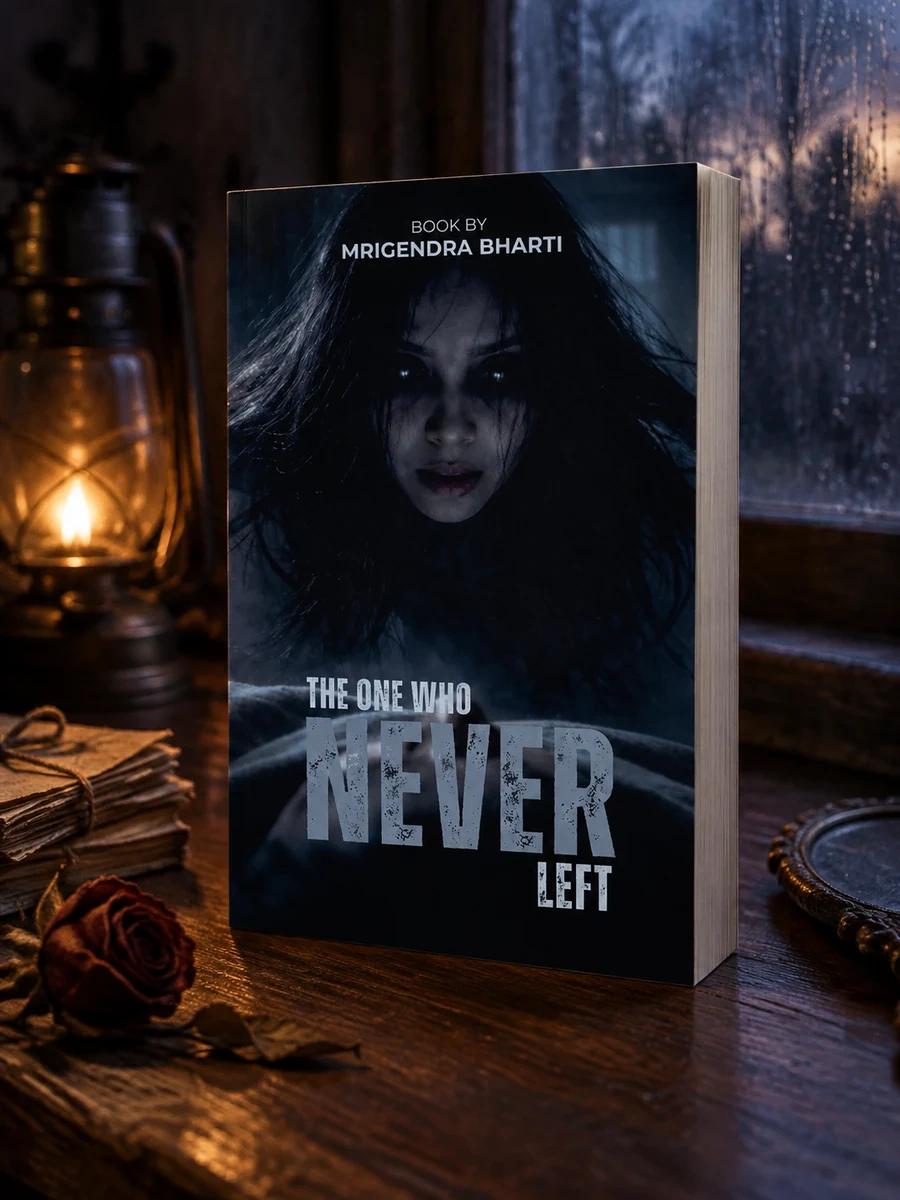
A quiet horror about a family replaced by something already inside their home.
Bharti explores the concept of identity theft through supernatural means, focusing on how an entity can mimic and replace loved ones with terrifying accuracy. The work draws on the tradition of domestic gothic fiction but updates it for a contemporary audience by removing external monsters in favor of internal rot. The organization is chronological, tracking the eight-day period where the family’s reality shifts from normal to unrecognizable. It uses the perspective of the house itself as a silent witness to the events, creating a sense of isolation and inevitability. The narrative does not offer explanations or resolutions, leaving the reader with the lingering feeling that the entity remains in their own space.
The text reflects modern anxieties about home safety and the fragility of family bonds. It sits within the contemporary American horror market, which often favors psychological realism over fantastical elements. The story draws on the long-standing tradition of haunted house narratives but subverts them by removing the ghostly visitor in favor of an internal presence.


📝 Description: The One Who Never Left
💎 Our verdict on The One Who Never Left
📖 Why choose it
Why this book is worth reading
Readers who prefer psychological dread over jump scares will find this book deeply rewarding. It offers a chilling account of domestic horror that rejects traditional possession tropes for something far more insidious: the quiet, methodical redesign of reality by an entity already inside the home. The narrative’s strength lies in its precision, documenting the gradual erosion of identity through mundane details like cold defying thermometers and mirrors losing their reflection. Those interested in modern interpretations of domestic hauntings will appreciate the clinical yet unsettling style that focuses on the isolation of a house witnessing its own inhabitants being replaced. It is ideal for those who enjoy stories where the horror stems from familiarity turning alien, leaving a lingering sense that the entity remains in one’s own space long after the final page.
⭐ Reader reviews
Reader rating
Bharti’s work stands out for its rejection of violent invasion narratives in favor of a quiet, methodical transformation. By utilizing the house as a silent witness, the text creates an atmosphere of inevitable isolation rather than active fear. The chronological structure over eight days allows for a terrifying observation of reality shifting from normal to unrecognizable, where a child’s laugh becomes exact and voices speak without owners. This approach suits readers who value atmospheric tension and identity-based horror above all else. While it may not appeal to those seeking traditional ghost stories with clear resolutions or external threats, it excels in delivering a sense of internal rot. The lack of explanation is a feature, not a bug, ensuring the reader retains the unsettling feeling that the replacement process never truly ends.
📖 Read on the blog
✍️ More books by this author Mrigendra Bharti



🏛 Books from this publisher Sellbrochure Ipdp
You might also like
See more →


Have a question about this item?
Ask about the edition, condition, delivery or anything else — we reply by email or phone, usually within a day.
