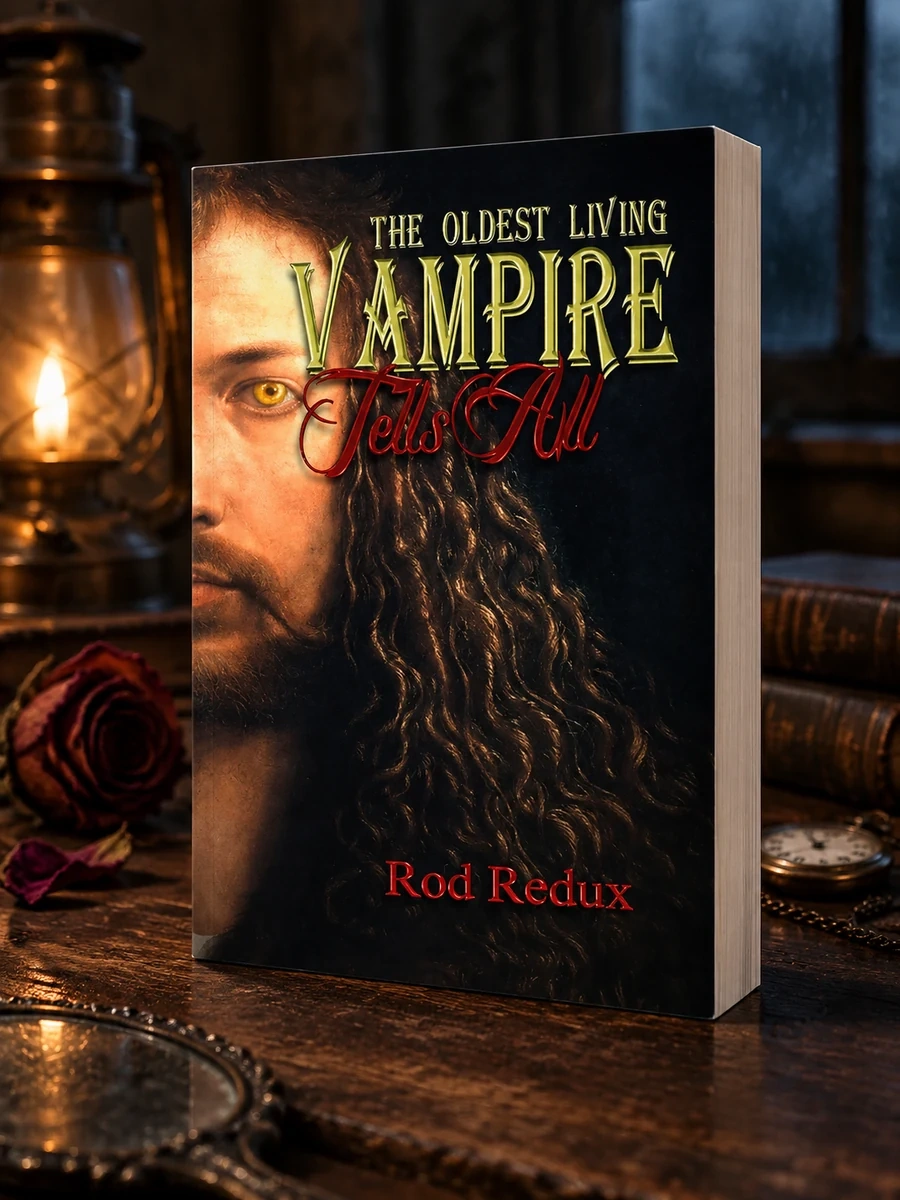
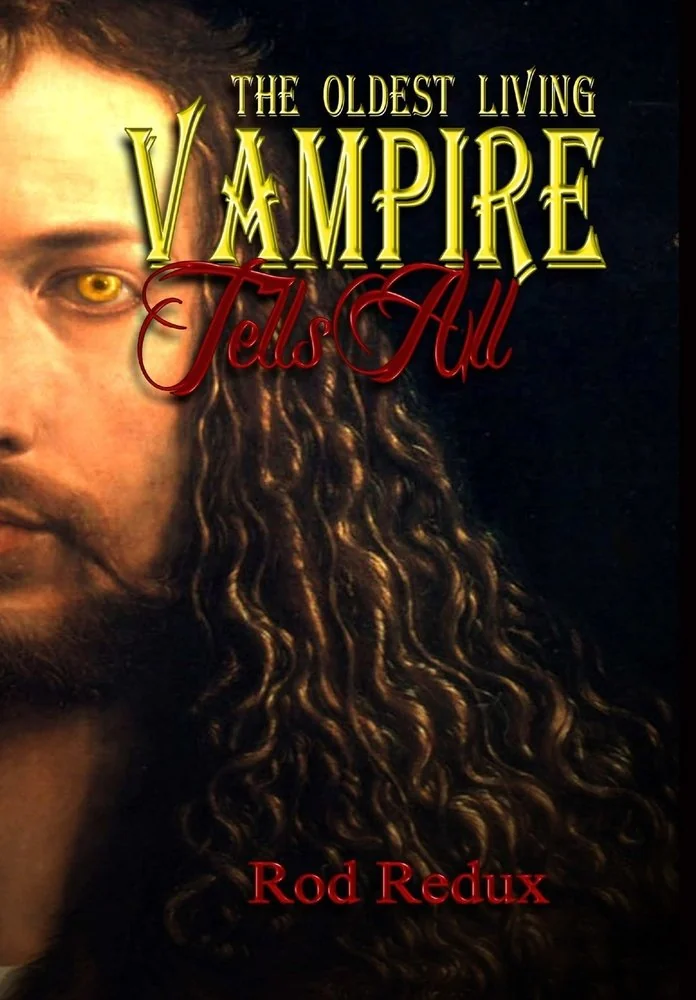
The Oldest Living Vampire Tells All
A memoir by a thirty thousand year old vampire recounting his ancient origins.
Gon shares his life story starting from his birth in a Paleolithic settlement in what is now Germany. He describes his relationships with Brulde, Eyya, and Nyala before detailing the events that turned him into a monster. The narrative moves to 2010 A.D. in Liege, Belgium, where he lives as Gaspar Valessi. Redux uses this framework to explore the human condition through an immortal lens. The book combines fantasy elements with historical settings. It focuses on personal history rather than global events. The tone is reflective and eerie. Readers encounter a unique perspective on longevity and identity loss. The account challenges conventional views of vampire origins by placing them in deep prehistory.
The book sits at the intersection of horror and fantasy, drawing on Paleolithic history and modern Belgian life. Redux blends ancient traditions with contemporary settings to create a mysterious world. The narrative spans from thirty thousand years ago to 2010 A.D., bridging deep time with recent history.


📝 Description: The Oldest Living Vampire Tells All
💎 Our verdict on The Oldest Living Vampire Tells All
📖 Why choose it
Why this book is worth reading
Readers interested in the psychological weight of immortality and the deconstruction of vampire lore will find this memoir compelling. It offers a reflective, eerie perspective on longevity, focusing on personal history rather than global events. The narrative challenges conventional origins by placing them in the Paleolithic era, appealing to those who enjoy historical settings blended with supernatural elements. Those seeking a slow-burn exploration of the human condition through an immortal lens will appreciate the intimate first-person account. However, it may disappoint readers expecting fast-paced action or traditional modern vampire tropes.
⭐ Reader reviews
Reader rating
Rod Redux delivers a unique entry in vampire fiction by anchoring the narrative in deep prehistory, specifically Paleolithic Germany. The memoir format allows for an intimate examination of identity loss and the long-term effects of undying life. While it lacks the fast-paced action typical of modern horror, its strength lies in its reflective tone and eerie exploration of the human condition. The blend of historic fact with fearsome fantasy creates a world that mirrors our own through an inhuman lens. It suits fans of gothic themes and psychological depth who appreciate character-driven narratives over plot-heavy spectacles.