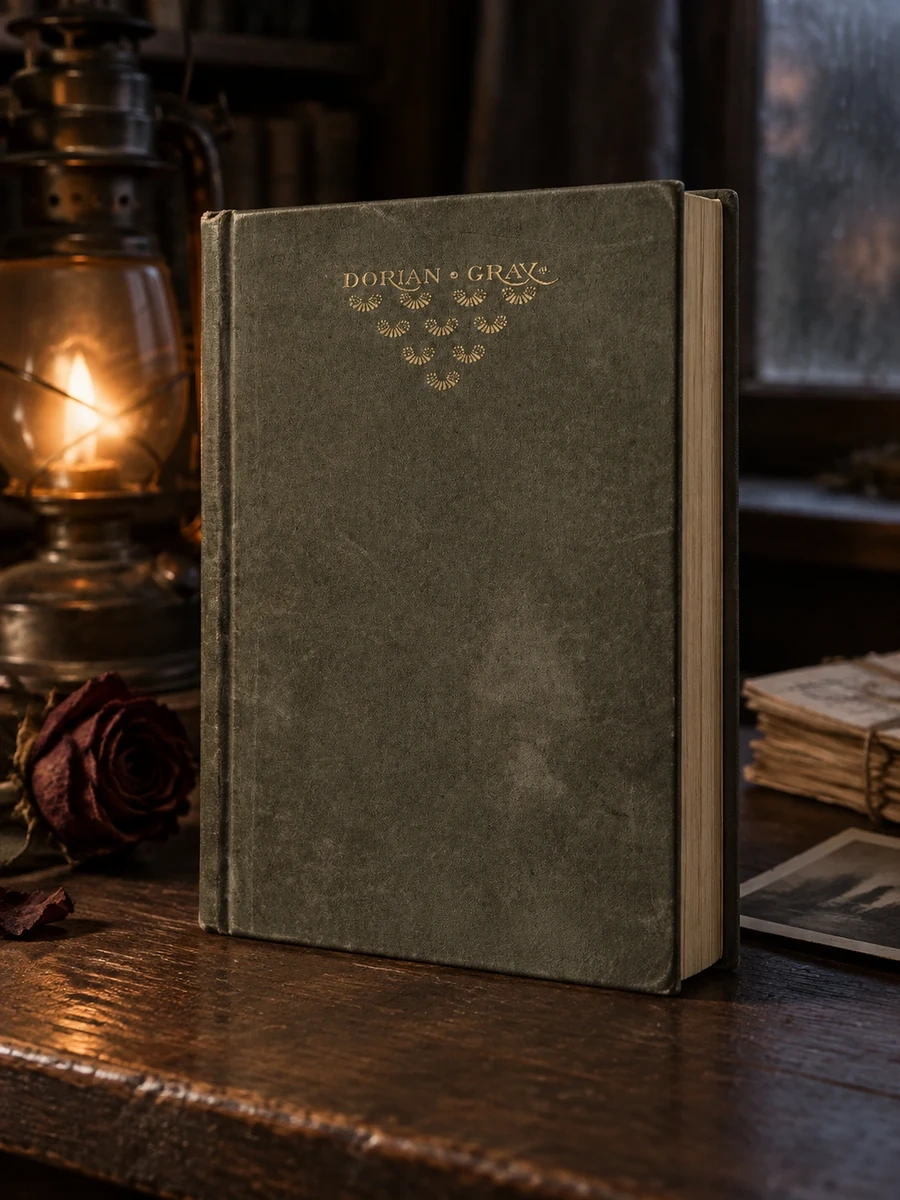
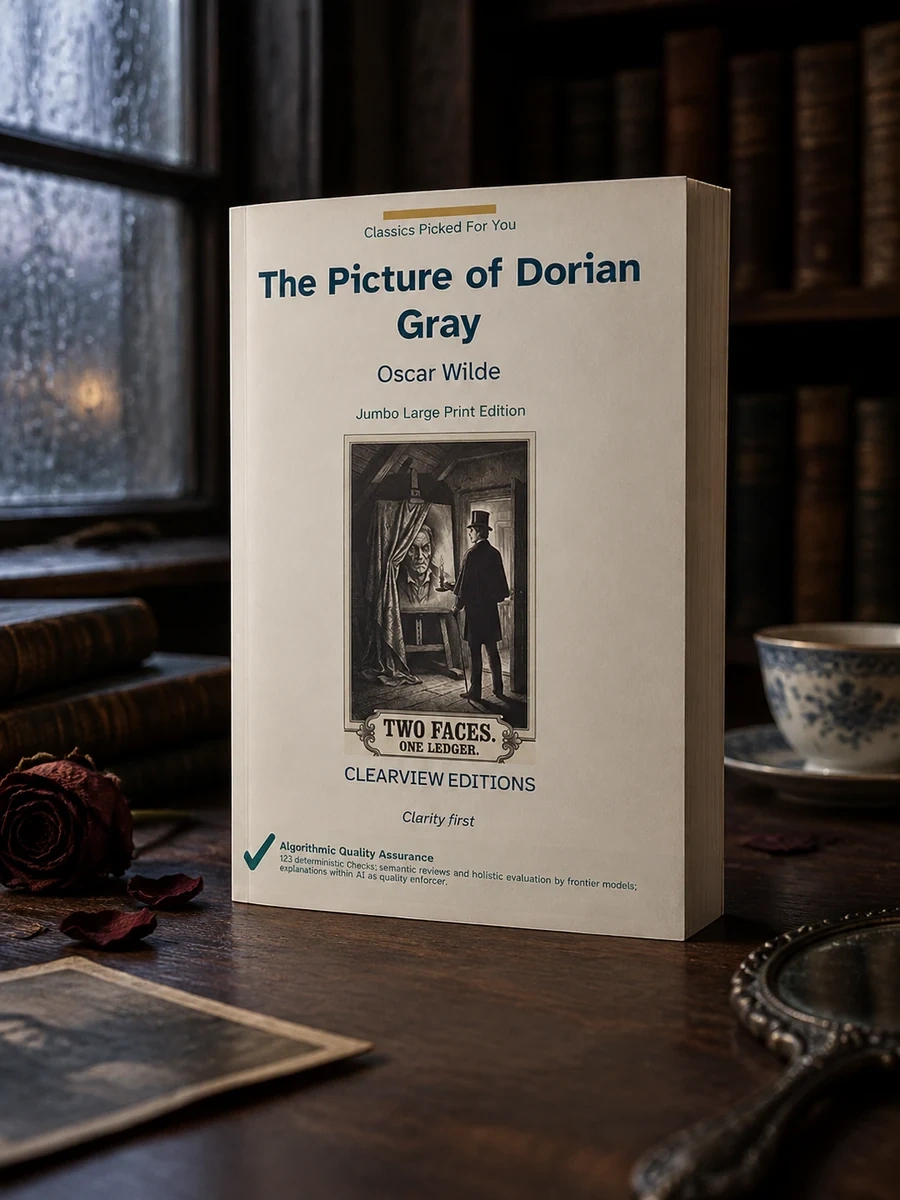
The Picture of Dorian Gray
Oscar Wilde's only novel, a gothic tale of eternal youth and moral decay.
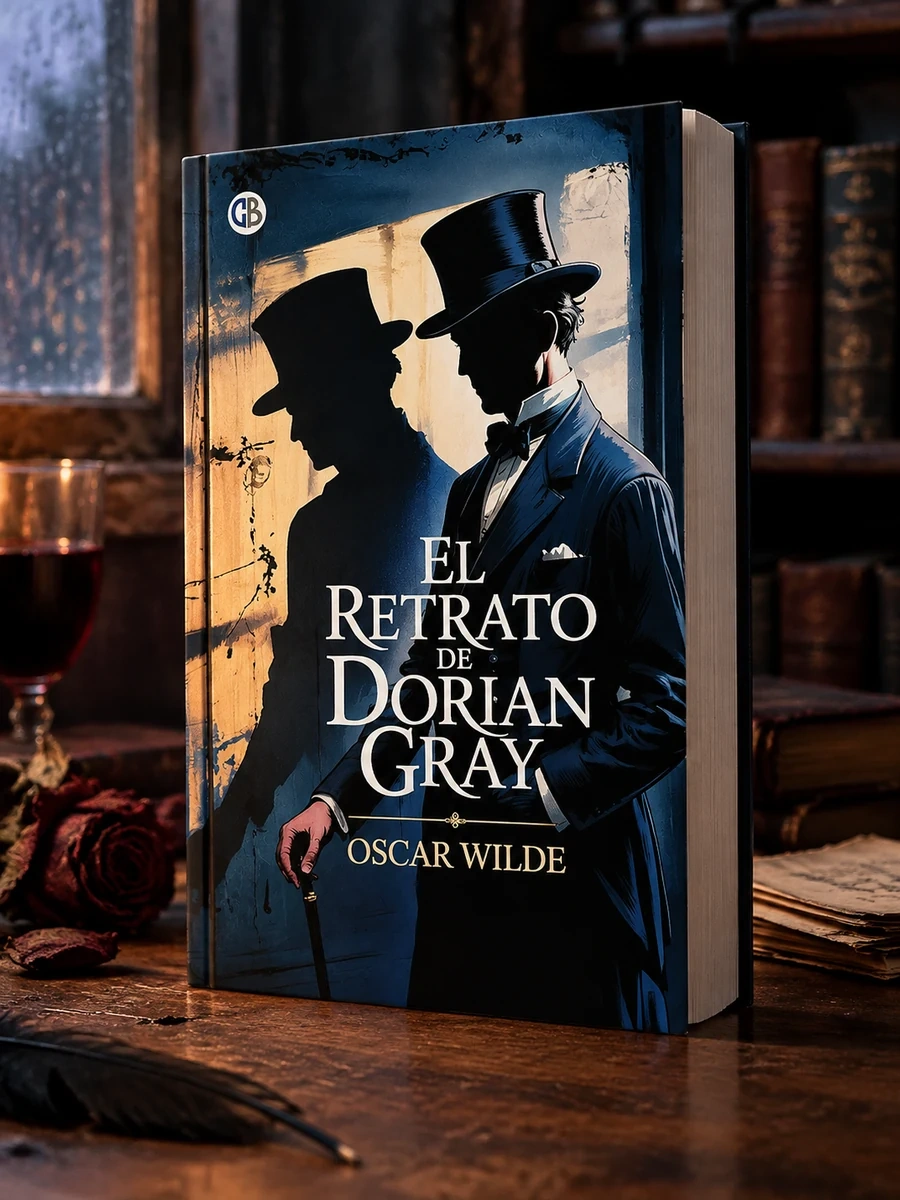
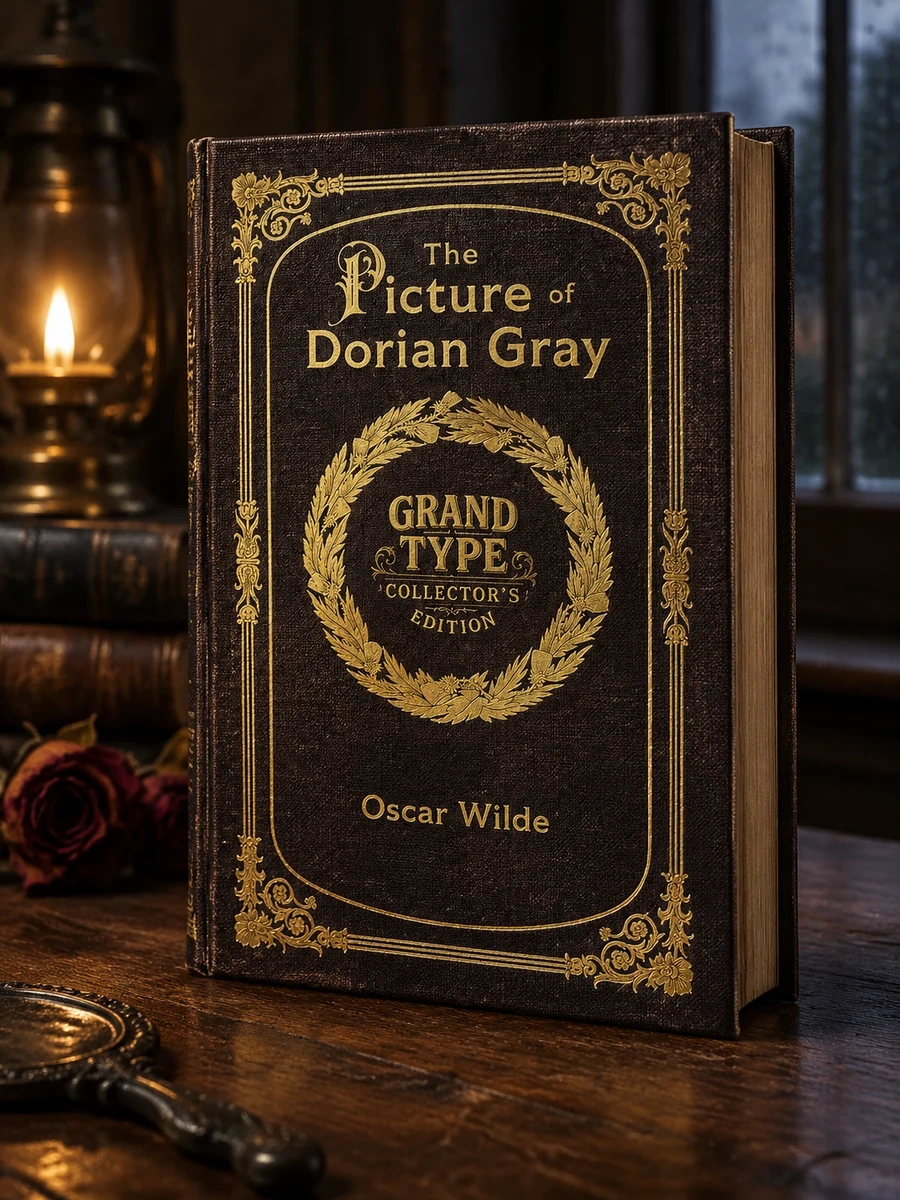
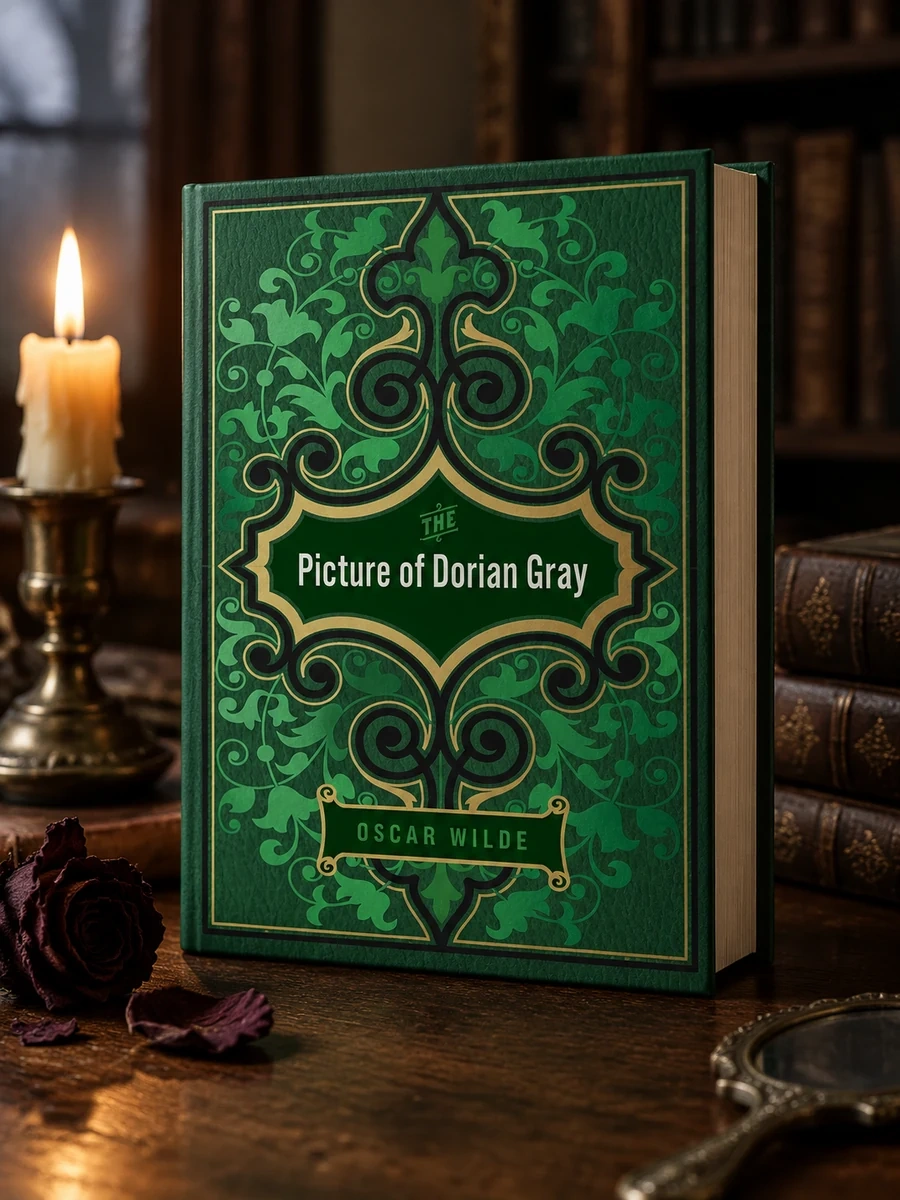
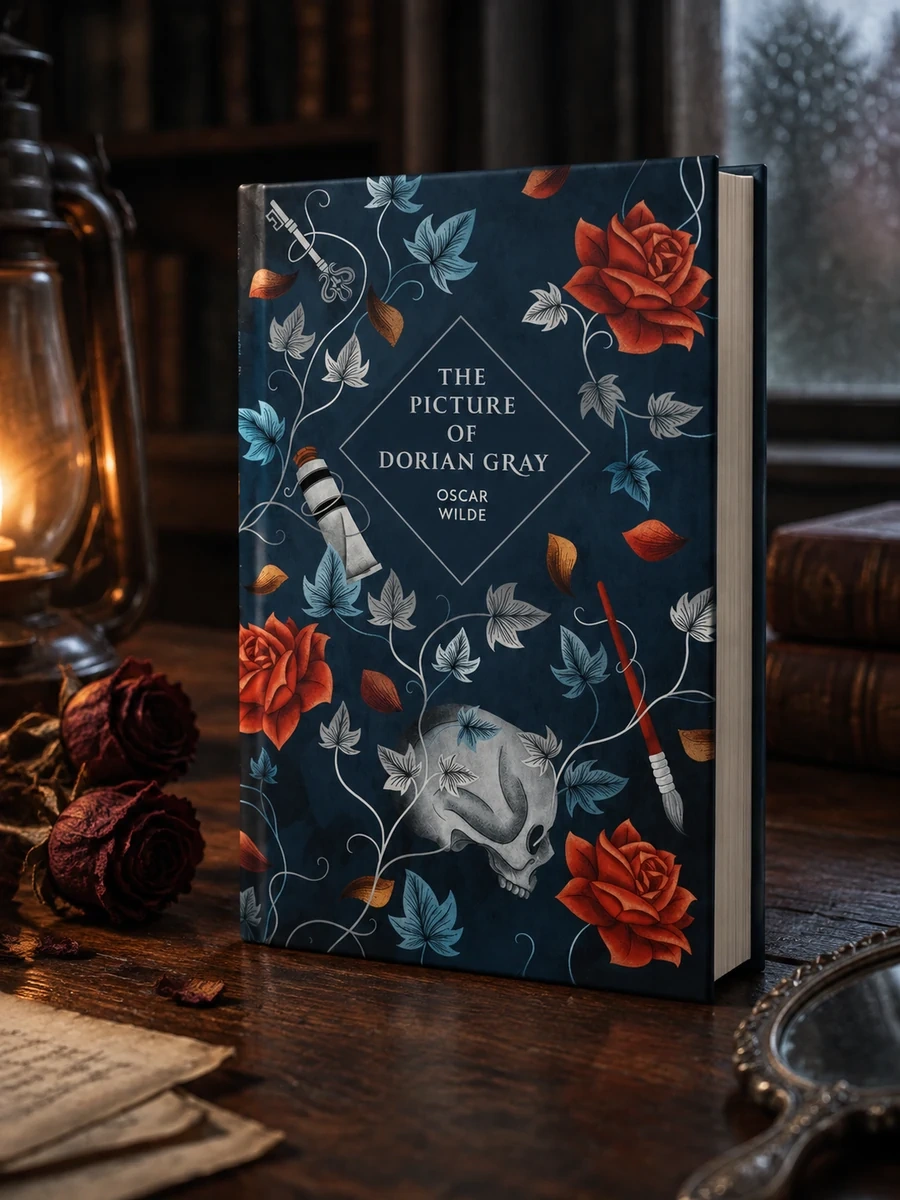
This text presents the revised 1891 edition of Oscar Wilde's singular novel. It diverges from the original magazine serialization by incorporating new chapters that deepen the philosophical inquiry. The narrative follows Dorian Gray through his descent into decadence, driven by a portrait that bears the marks of his sins while he remains untouched by time. The work engages with the artistic movement known as decadents and touches upon homosexuality, topics that sparked debate when first published. It is classified as one of the last works of classic gothic horror fiction with strong Faustian themes. Modern critics regard it as a modern classic of Western literature. The edition provides a direct link to the version Wilde himself amended, offering insight into his artistic evolution and the cultural tensions of the late nineteenth century.
First published in Lippincott's Monthly Magazine on June 20, 1890, and later revised for Ward, Lock, and Company in April 1891. It is considered one of the last works of classic gothic horror fiction with a strong Faustian theme.


📝 Description: The Picture of Dorian Gray
💎 Our verdict on The Picture of Dorian Gray
📖 Why choose it
Why this book is worth reading
Readers interested in the intersection of aestheticism and ethical inquiry will find this novel compelling. It offers a profound exploration of moral decay and the Faustian bargain through the lens of eternal youth. Those seeking to understand the historical context of late nineteenth-century cultural debates, particularly regarding homosexuality and artistic decadence, will gain valuable insight. The narrative provides a complex structure that challenges readers to engage with philosophical questions about art, soul, and consequence. It is ideal for those who appreciate dark, atmospheric tales that prioritize thematic depth over simple adventure.
⭐ Reader reviews
Reader rating
Oscar Wilde’s singular novel excels in weaving aesthetic philosophy with gothic horror elements to create a haunting meditation on vanity and corruption. The text effectively utilizes the supernatural premise of the aging portrait to anchor its critique of decadence. This edition allows readers to engage directly with Wilde’s revised intentions, offering clarity on his artistic evolution. It suits best those who appreciate literary history, psychological depth, and the darker corners of Western literature. While not suitable for those seeking light entertainment, it rewards careful reading with rich thematic layers and a unique narrative voice that remains influential in modern horror and gothic fiction.
📖 Read on the blog
✍️ More books by this author Oscar Wilde


🏛 Books from this publisher Lulu.com


You might also like
See more →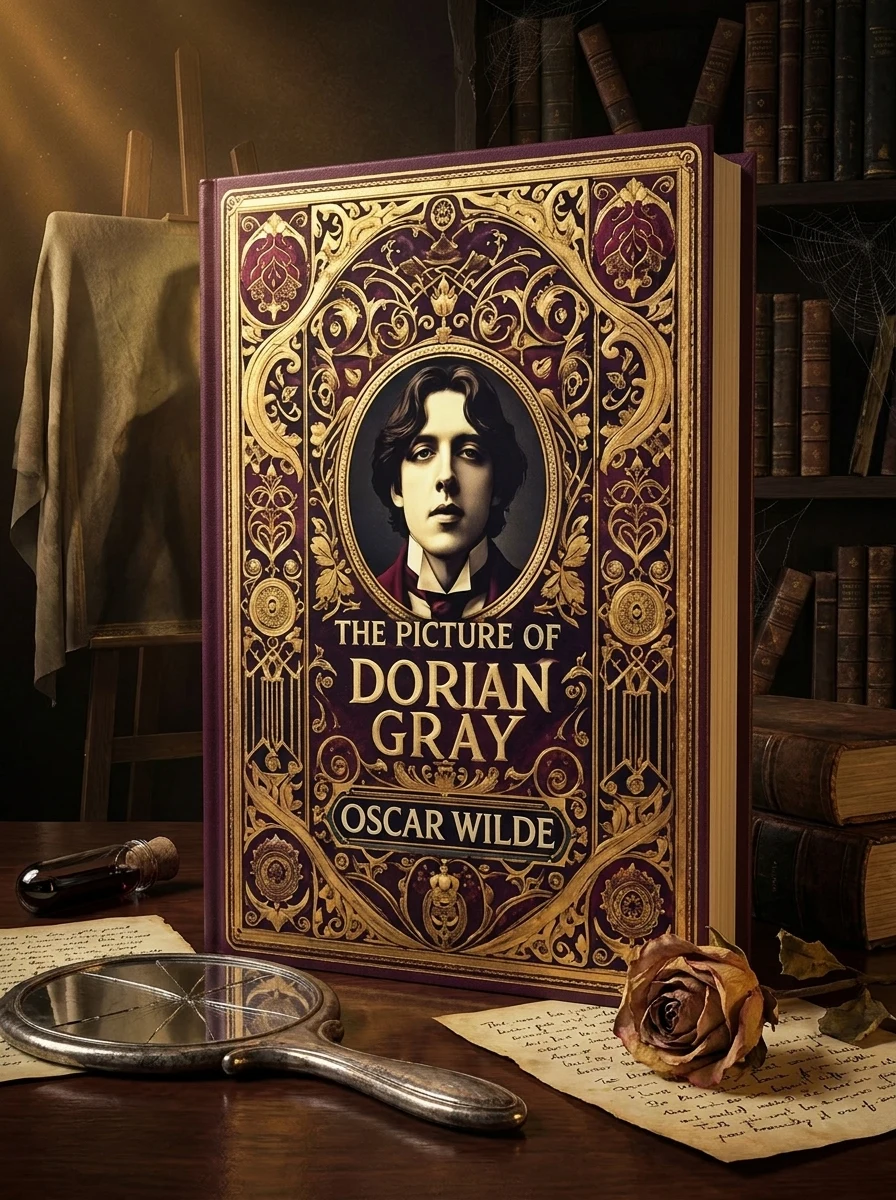


Have a question about this item?
Ask about the edition, condition, delivery or anything else — we reply by email or phone, usually within a day.
