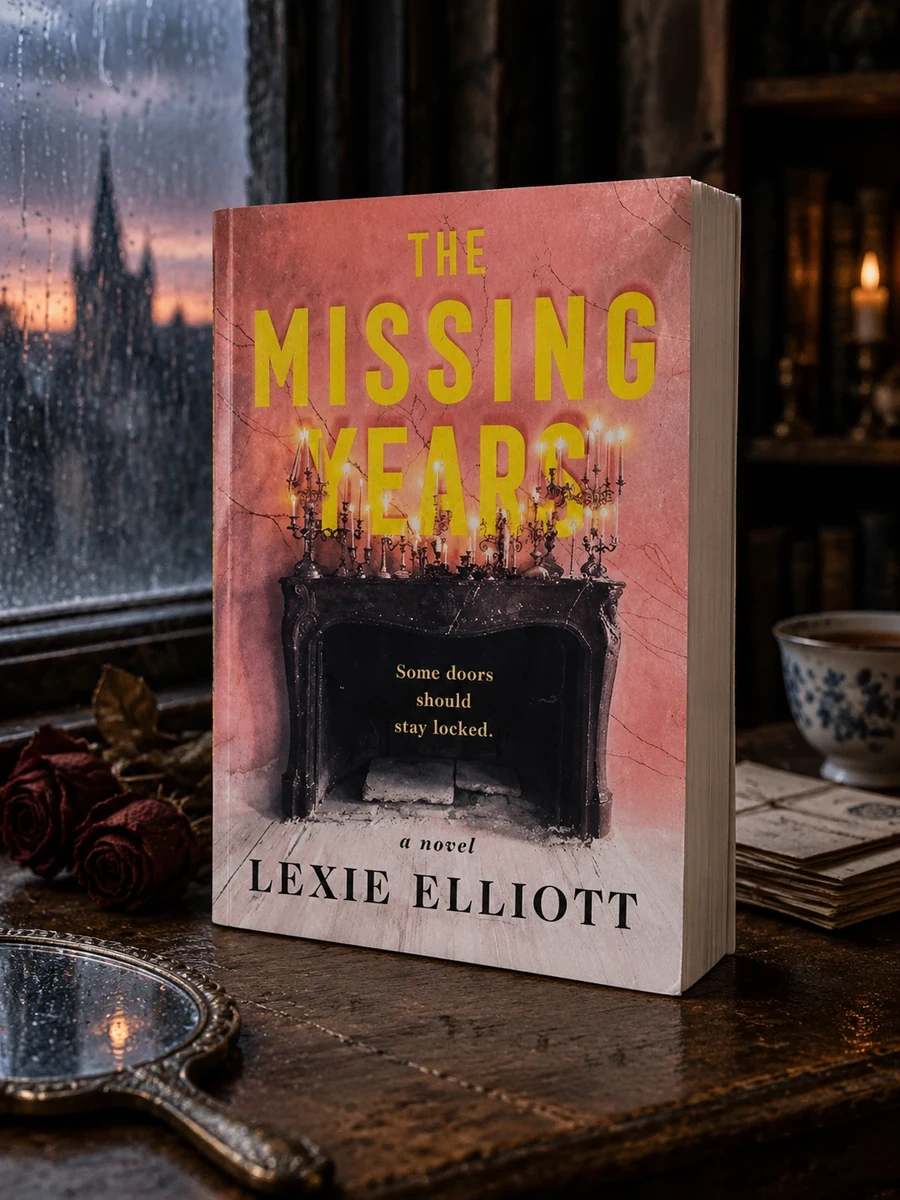

The Missing Years
A gothic mystery about a woman inheriting a haunted manor in Scotland.
The narrative focuses on Ailsa Calder’s return to her childhood home in the Scottish Highlands. She must deal with the inheritance of half the property, while the other half remains tied to her father’s disappearance twenty-seven years ago. The isolation of the craggy peaks and the refusal of animals to enter the grounds create a palpable sense of danger. Ailsa’s half-sister joins her, adding tension to an already strained family dynamic. Local suspicion and nighttime intruders complicate her plans to settle the estate. The house itself feels alive, watching her every move. Elliott uses the setting to mirror Ailsa’s internal turmoil. The story does not offer easy answers about the father’s fate. Instead, it focuses on the psychological weight of the past. The narrative structure emphasizes the slow erosion of Ailsa’s safety. Readers will find the atmospheric details compelling and the character dynamics complex. The lack of clear resolution adds to the lingering unease.
The story is set in the Scottish Highlands, drawing on gothic traditions of isolated manors and familial curses. It reflects modern concerns about property inheritance and the psychological impact of unresolved trauma within families.


📝 Description: The Missing Years
💎 Our verdict on The Missing Years
📖 Why choose it
Why this book is worth reading
Readers who favor slow-burn atmospheric horror and complex family dynamics will find this work compelling. The narrative offers a deep dive into the psychological weight of inherited trauma, making it ideal for those interested in how past secrets shape present identity. The isolation of the Scottish Highlands setting provides a perfect backdrop for exploring feelings of displacement and dread. Those who appreciate nuanced character studies over plot-driven action will enjoy the gradual erosion of safety depicted here. It appeals to fans who want lingering unease rather than jump scares, offering a rich exploration of grief and memory through a gothic lens.
⭐ Reader reviews
Reader rating
Elliott crafts a claustrophobic atmosphere where the manor itself feels like an active participant in Ailsa’s unraveling. The isolation is palpable, with wildlife refusing entry and small details appearing displaced to suggest a watching presence. This approach effectively mirrors the protagonist's internal turmoil, creating a sense of dread that builds steadily without relying on cheap shocks. The lack of clear resolution regarding the father’s fate adds to the lingering unease, rewarding patience over expectation. While it may not suit those seeking fast-paced action or supernatural explanations, it excels in mood and character dynamics. It is a refined entry for enthusiasts of psychological gothic fiction.
📖 Read on the blog
🏛 Books from this publisher Penguin Publishing Group


You might also like
See more →



Have a question about this item?
Ask about the edition, condition, delivery or anything else — we reply by email or phone, usually within a day.
