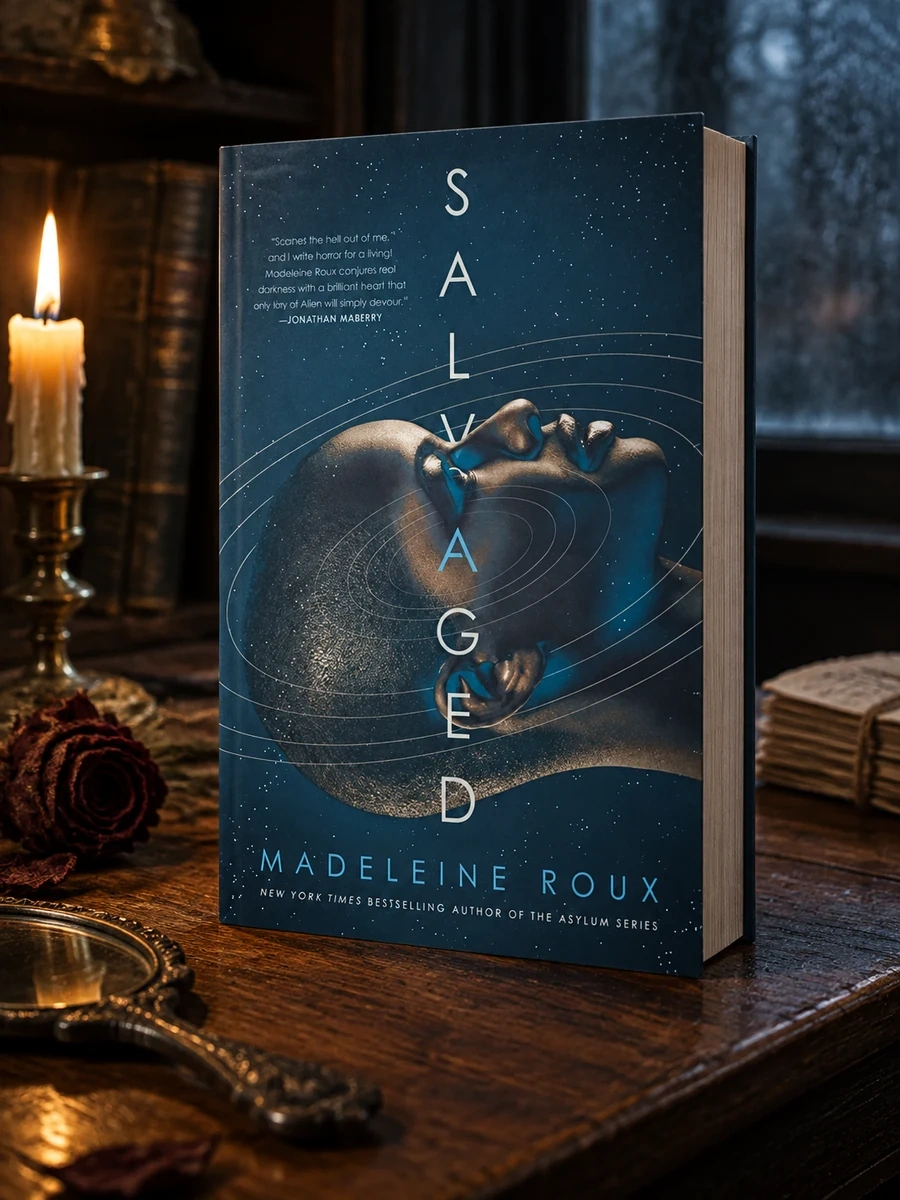

Salvaged
A bioengineer salvages a dark vessel with crew members changed beyond recognition.
The story centers on Rosalyn Devar, who accepts a dangerous task to recover the Brigantine after her career collapses. She expects to find only debris and corpses. Instead, she encounters the original crew, who have survived but lost their humanity. This situation forces her to rely on her bioengineering knowledge to understand what has happened. The tension arises from the uncertainty of the crew's intentions and the deteriorating condition of the ship. Roux uses this premise to explore themes of identity and loss of control. The narrative does not offer easy escapes or clear moral victories.
Published in 2019 by Penguin Publishing Group, this novel fits within the contemporary horror genre. It reflects modern anxieties about biotechnology and corporate accountability. The setting relies on isolation at sea to heighten psychological fear.


📝 Description: Salvaged
💎 Our verdict on Salvaged
📖 Why choose it
Why this book is worth reading
Readers interested in the psychological toll of isolation and the ethical implications of genetic experimentation will find this narrative compelling. It appeals to those who prefer horror rooted in scientific plausibility over supernatural whimsy. The story offers a tense exploration of identity loss, making it suitable for audiences tired of traditional ghost stories. It provides a gritty look at professional failure and redemption through survival rather than moral victory. Fans of dark fantasy and true crime elements involving human alteration will appreciate the visceral stakes. The book serves as a cautionary tale about corporate negligence, engaging those who enjoy complex character dynamics under extreme duress.
⭐ Reader reviews
Reader rating
Madeleine Roux delivers a tense exploration of biological transformation where science fails to contain horror. The narrative excels in depicting Rosalyn Devar’s desperate struggle against altered crew members, blending psychological dread with visceral body horror. By focusing on the deterioration of humanity rather than offering easy escapes, the book maintains high stakes throughout its isolation-driven plot. It suits readers who appreciate modern cosmic and psychological horror themes over traditional gothic settings. The absence of clear moral victories adds to its grim realism, appealing to those who enjoy complex, unresolved endings. While it may not satisfy fans of historical ghost stories, its focus on identity and control makes it a strong entry in the genre of dark fantasy and scientific terror.
📖 Read on the blog
✍️ More books by this author Madeleine Roux


🏛 Books from this publisher Penguin Publishing Group
You might also like
See more →



Have a question about this item?
Ask about the edition, condition, delivery or anything else — we reply by email or phone, usually within a day.
