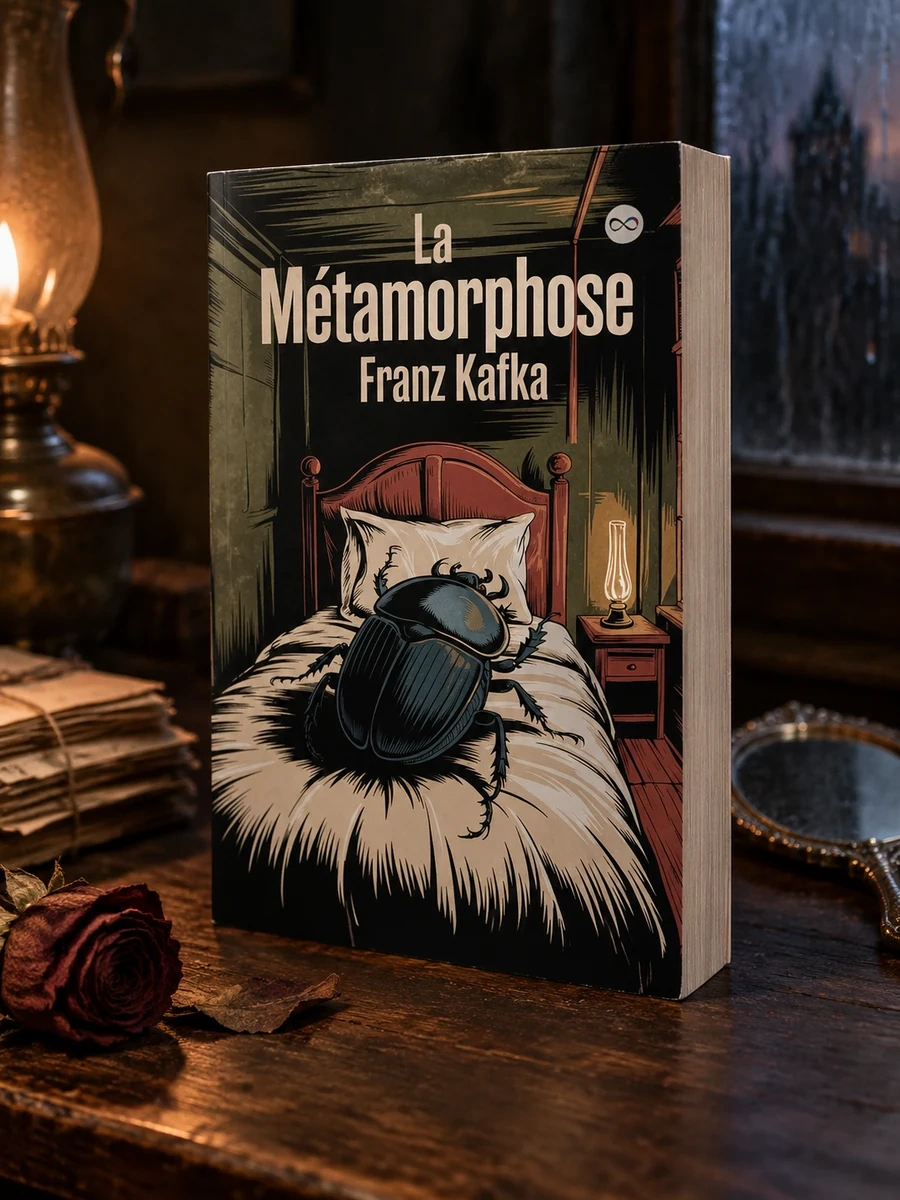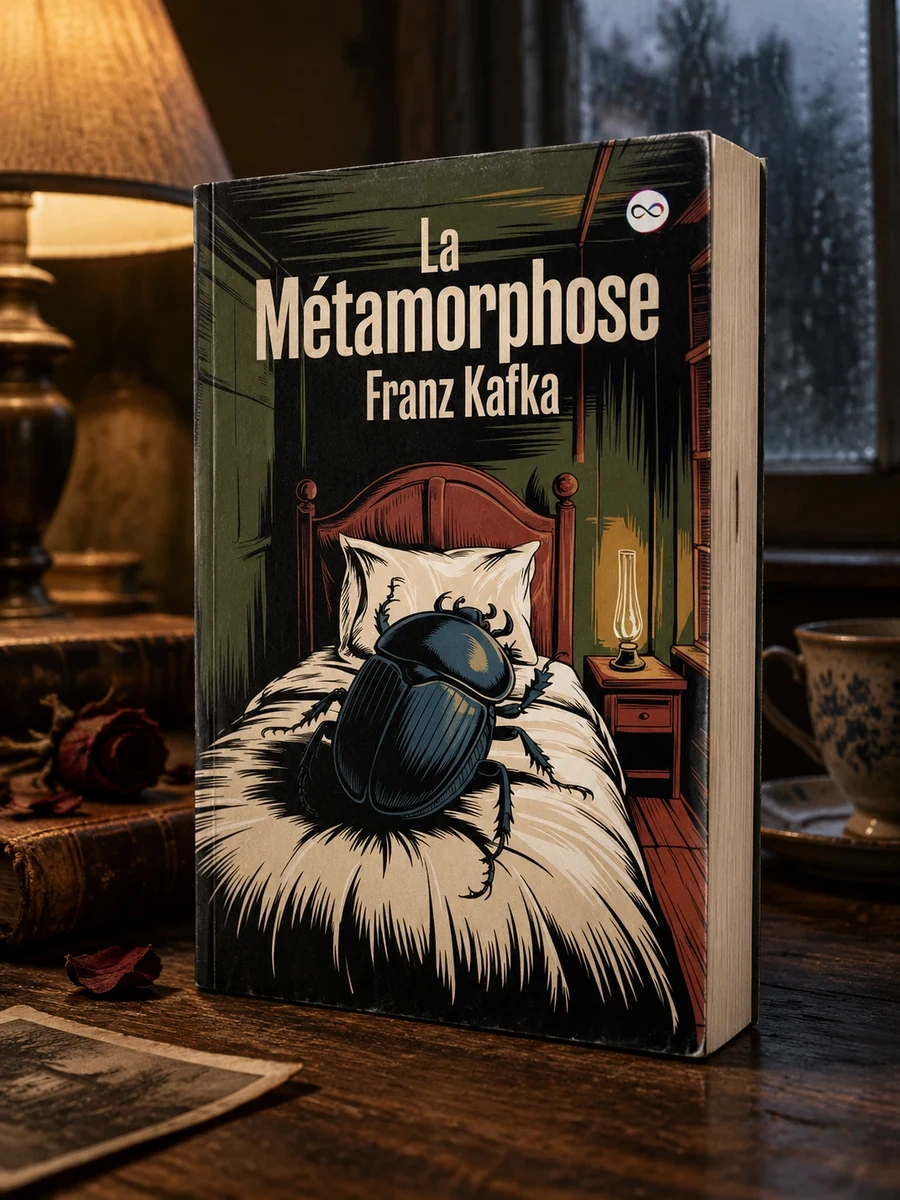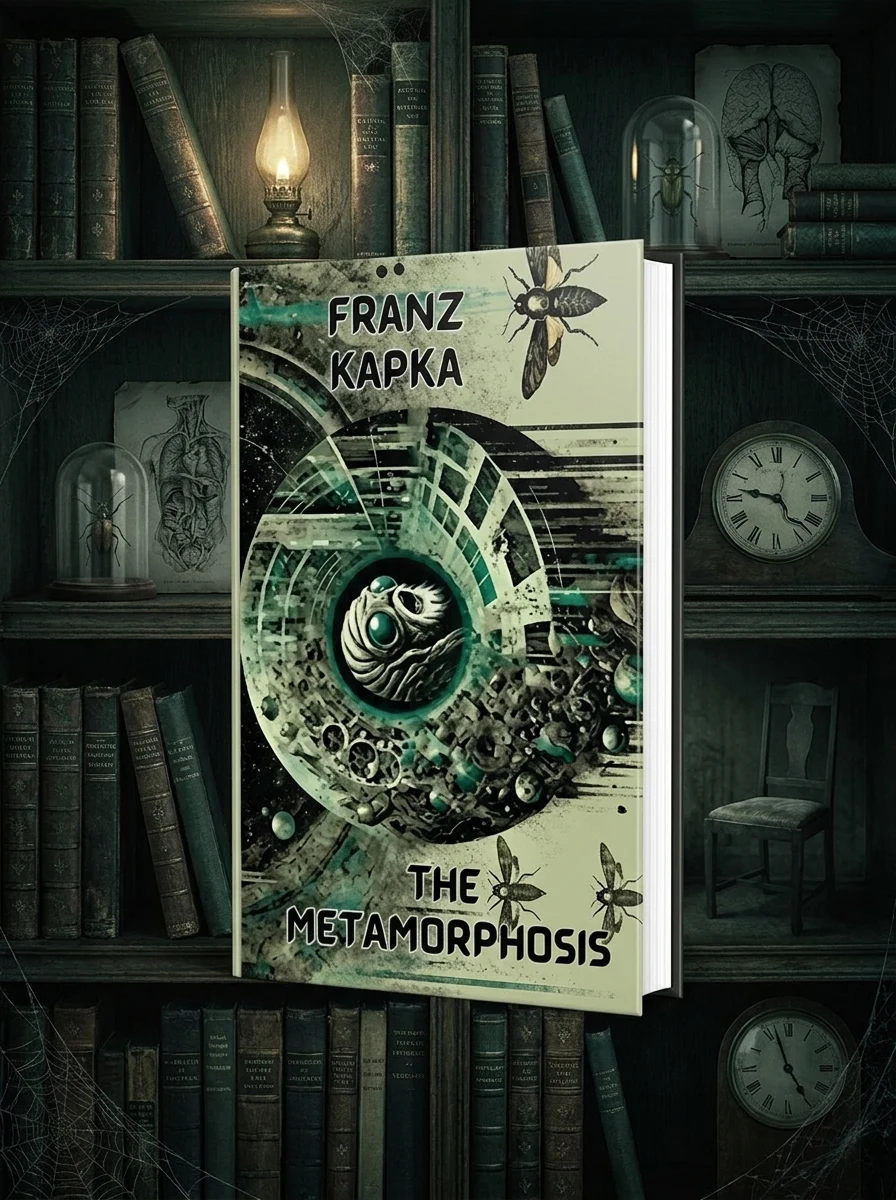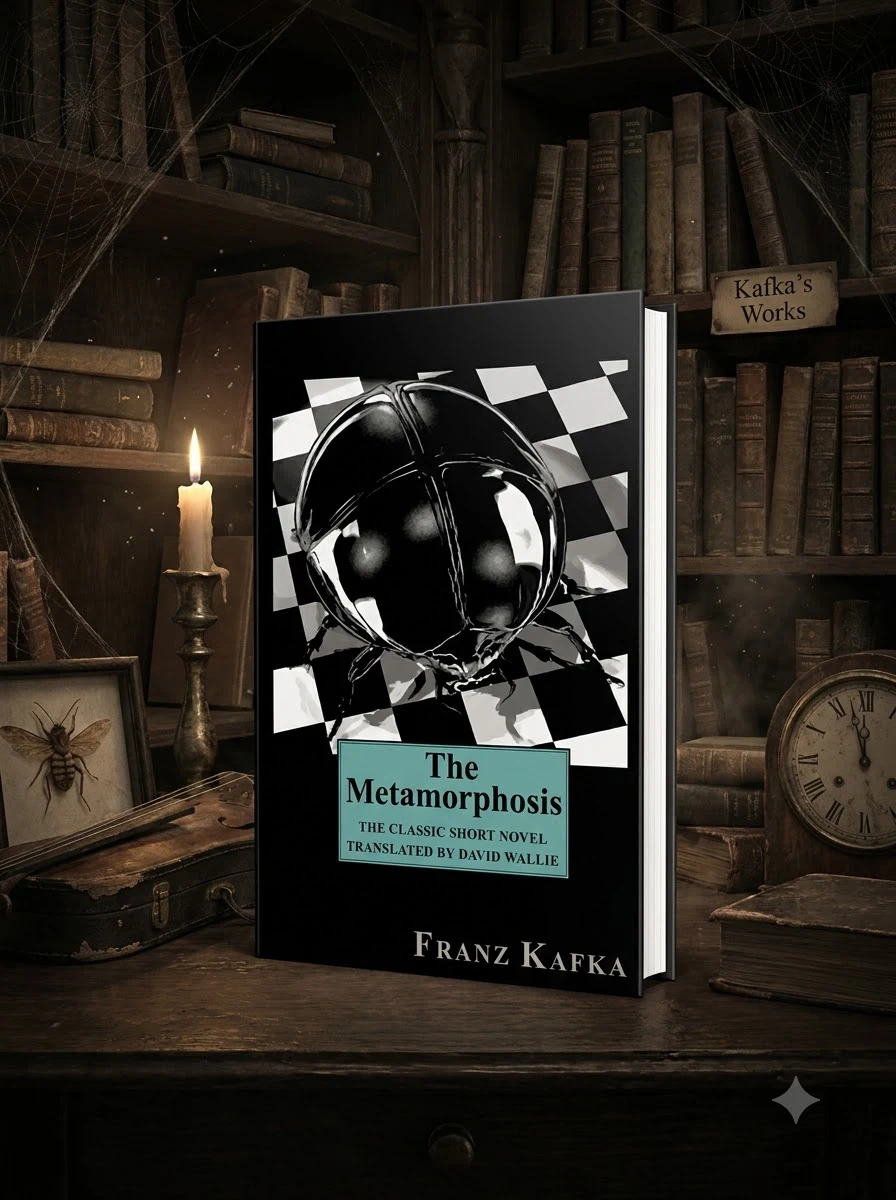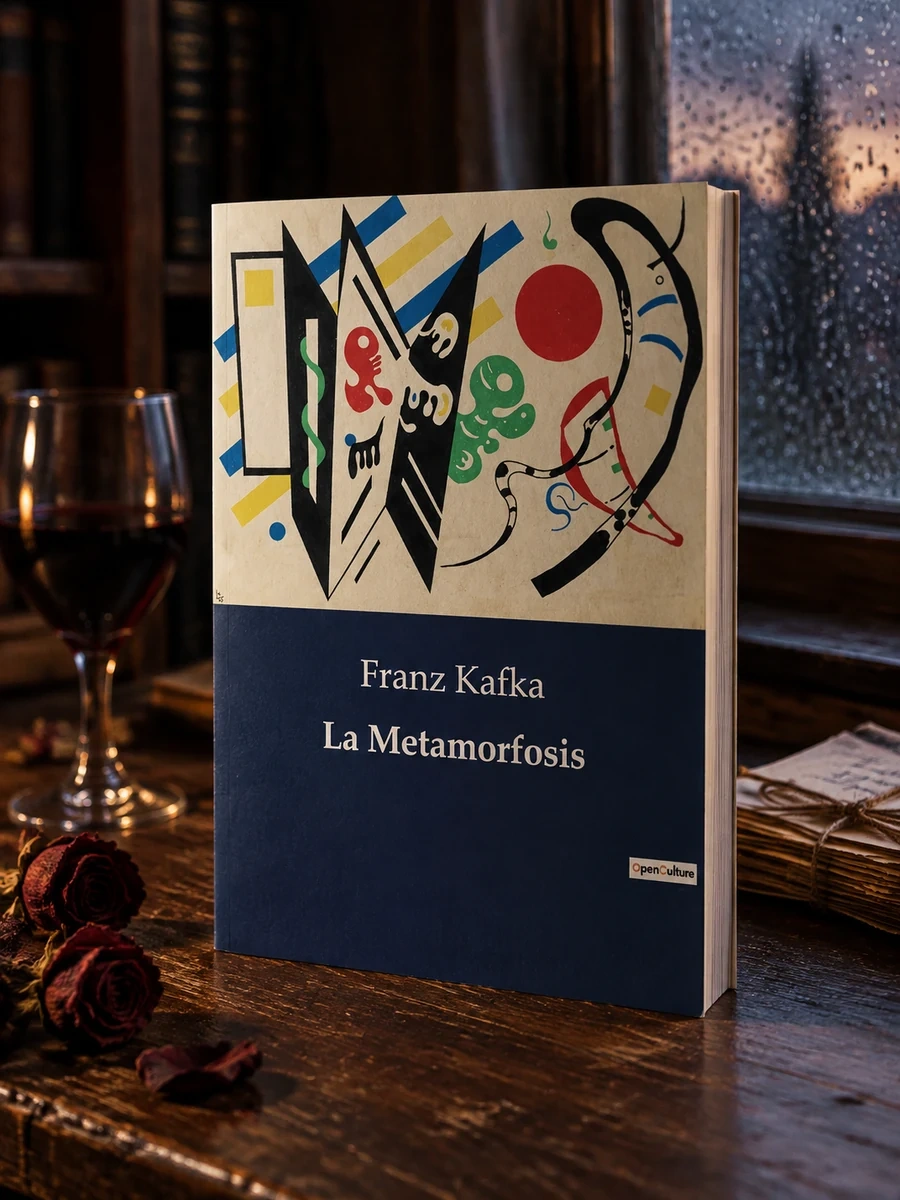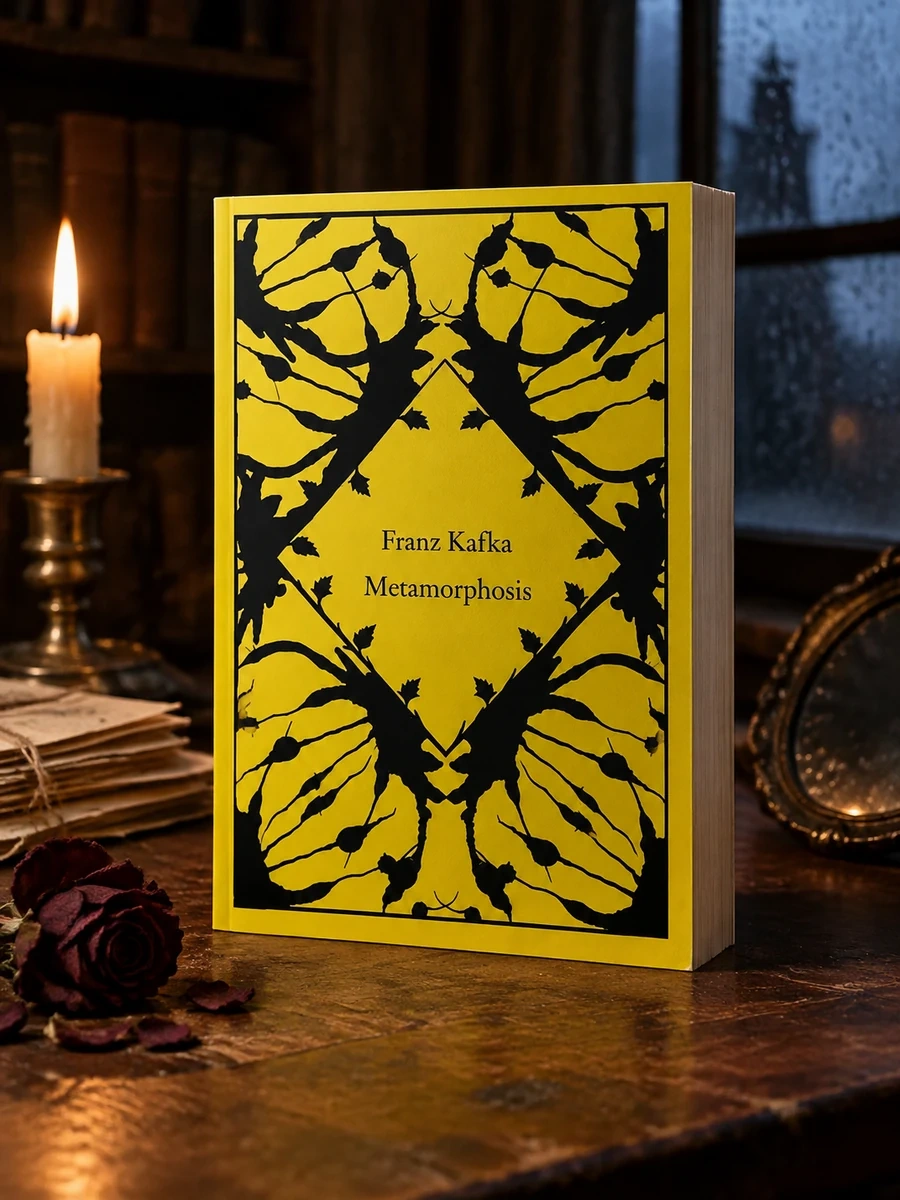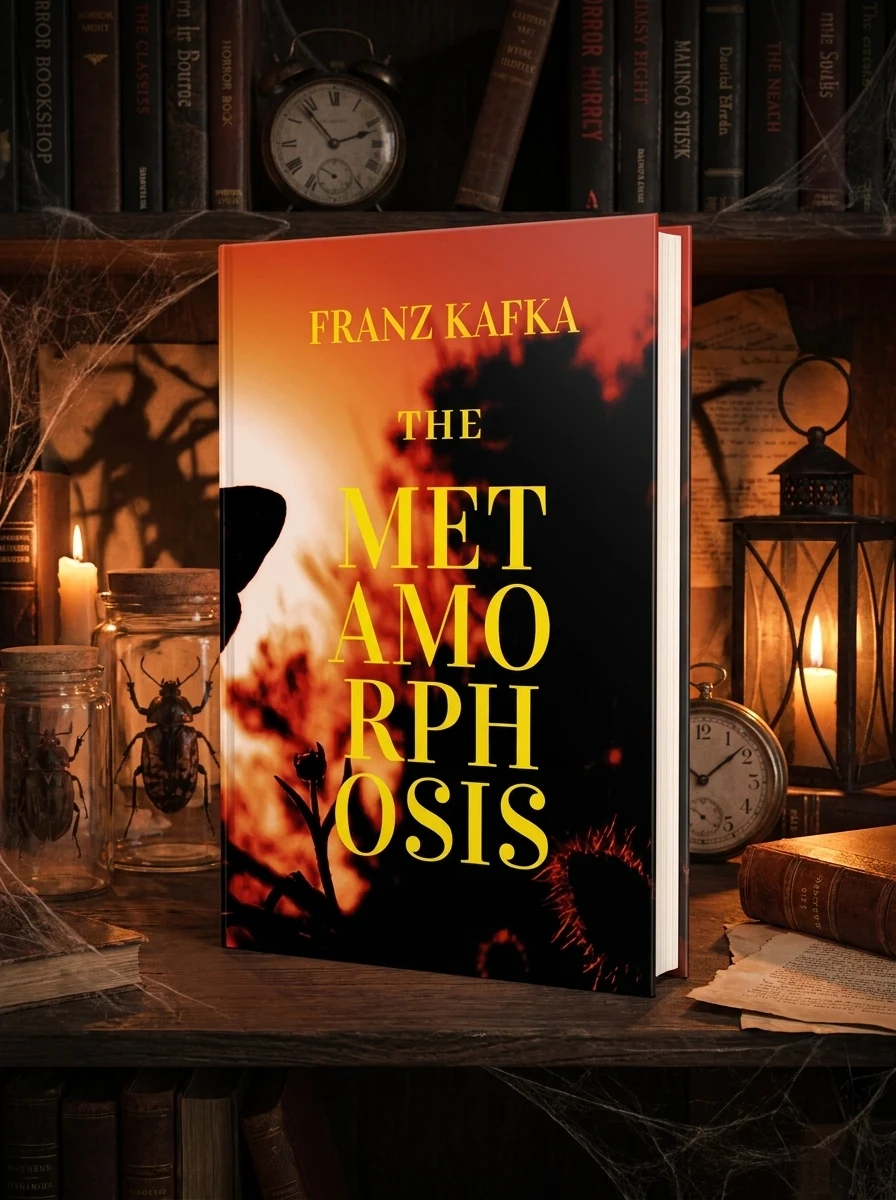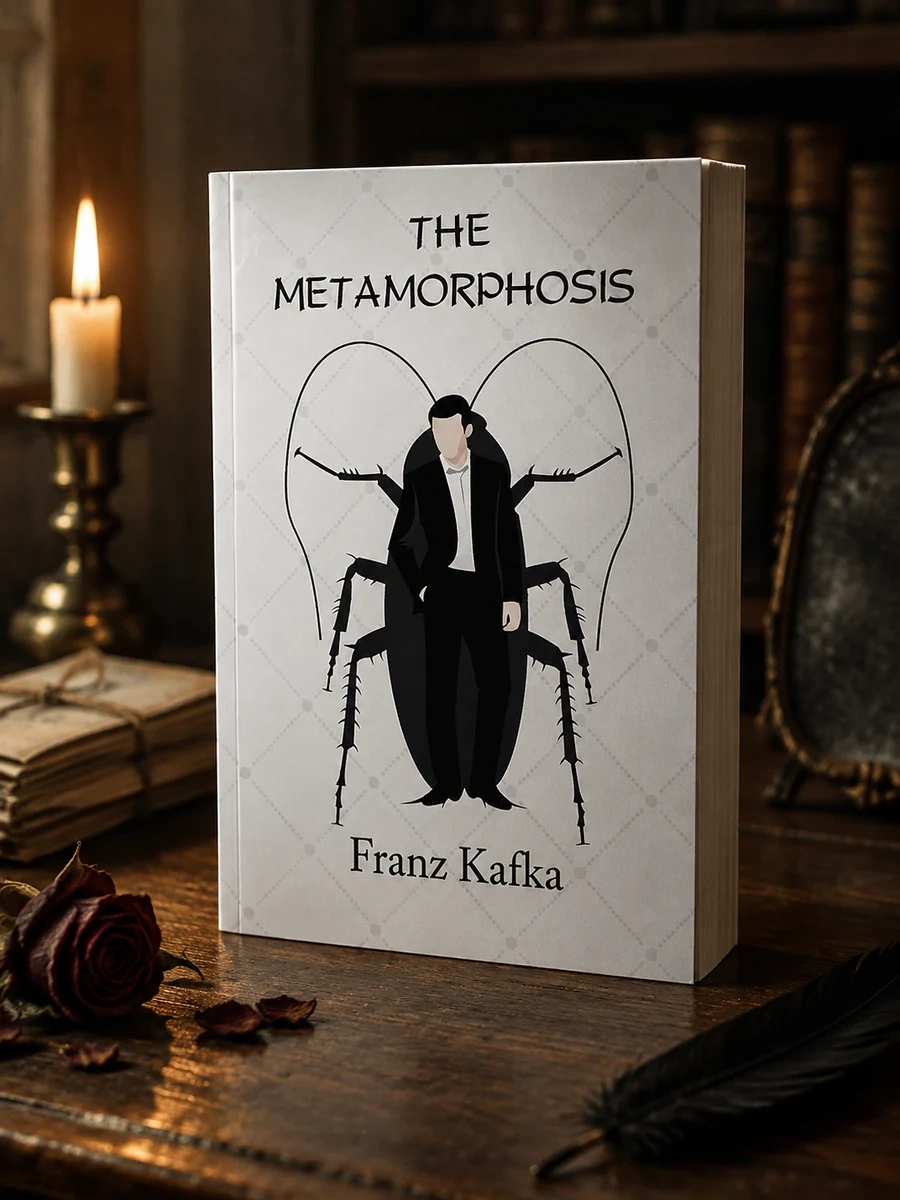
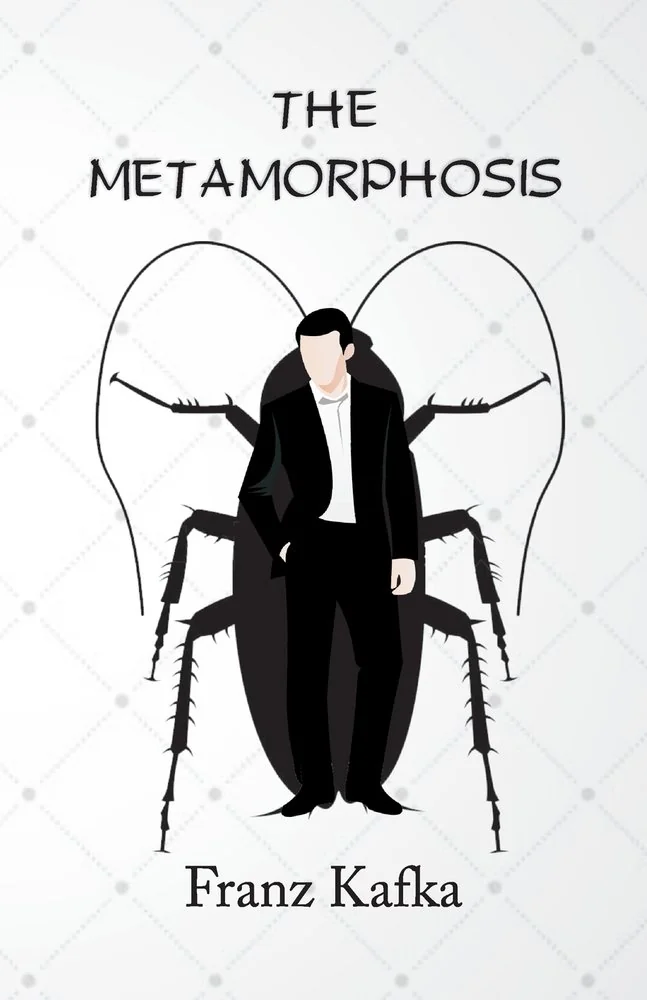
The Metamorphosis
Gregor Samsa wakes up as an insect in this 1915 Kafka classic.
Kafka’s narrative centers on Gregor Samsa’s sudden transformation into a beetle-like insect. His family reacts with disgrace rather than concern. He loses his place in society and becomes a burden. The text explores how guilt and inadequacy shape human relationships. Kafka’s background in Prague influences the story’s atmosphere. His Jewish heritage and middle-class upbringing inform the themes of alienation. The work emerged from early twentieth-century literary movements. It remains influential for its psychological depth. Other works like The Judgment share similar motifs. This edition brings the original text to new audiences. It captures the absurdity of Gregor’s situation. The story does not offer easy resolutions. Readers must engage with the discomfort it creates.
Kafka was born in Prague in 1883 into an upper-middle-class Jewish family. His works gained recognition only after the 1920s, becoming cult texts of modern literature. This 1915 novella reflects early twentieth-century anxieties about identity and alienation.


📝 Description: The Metamorphosis
💎 Our verdict on The Metamorphosis
📖 Why choose it
Why this book is worth reading
Readers seeking psychological depth and gothic atmosphere will find this novella rewarding, as it explores the uncomfortable realities of guilt and inadequacy without offering easy resolutions. It suits those interested in cosmic horror or dark fantasy who are willing to engage with discomfort rather than seek straightforward adventure. The narrative’s deliberate pacing and sharp prose create an unsettling experience that mirrors social displacement through absurdity. Those drawn to existential dread and surrealism will appreciate how the text examines human relationships through a lens of disgrace and isolation. It is ideal for readers who value literary influence and thematic complexity over conventional plot structures or happy endings, providing a harrowing yet insightful look at the human condition.
⭐ Reader reviews
Reader rating
This volume preserves the original tone and structure of Kafka’s 1915 classic, delivering a sharp, unadorned narrative that remains unsettling. The story effectively uses absurdity to examine feelings of guilt and isolation, making it a quintessential exploration of alienation. While it may disappoint readers seeking adventure or comfort, it rewards those willing to confront moral failings and social displacement. The deliberate pacing enhances the psychological horror, creating a profound sense of dread. It is best suited for enthusiasts of gothic fiction, surrealism, and existential themes who appreciate literary depth. The work’s enduring influence is evident in its ability to provoke thought and discomfort, securing its place among widely read twentieth-century fictions that challenge the reader to engage with its harrowing insights.