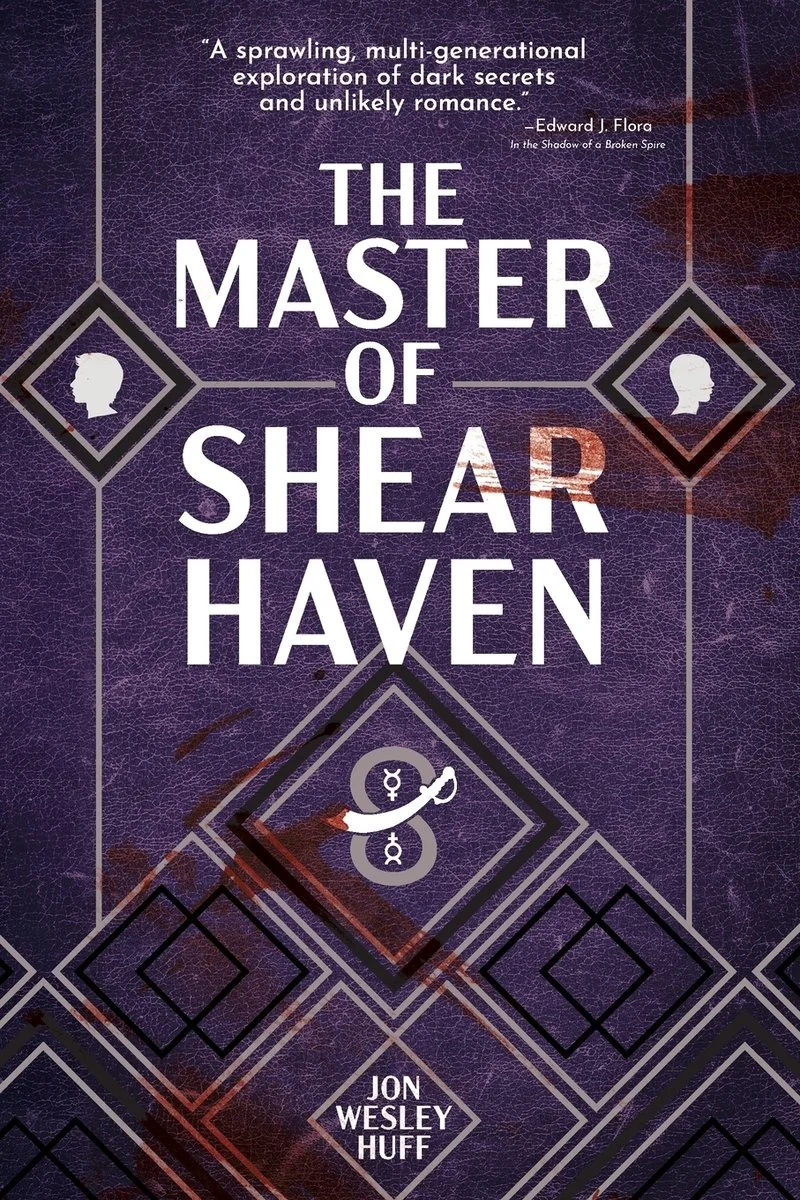
The Master of Shearhaven
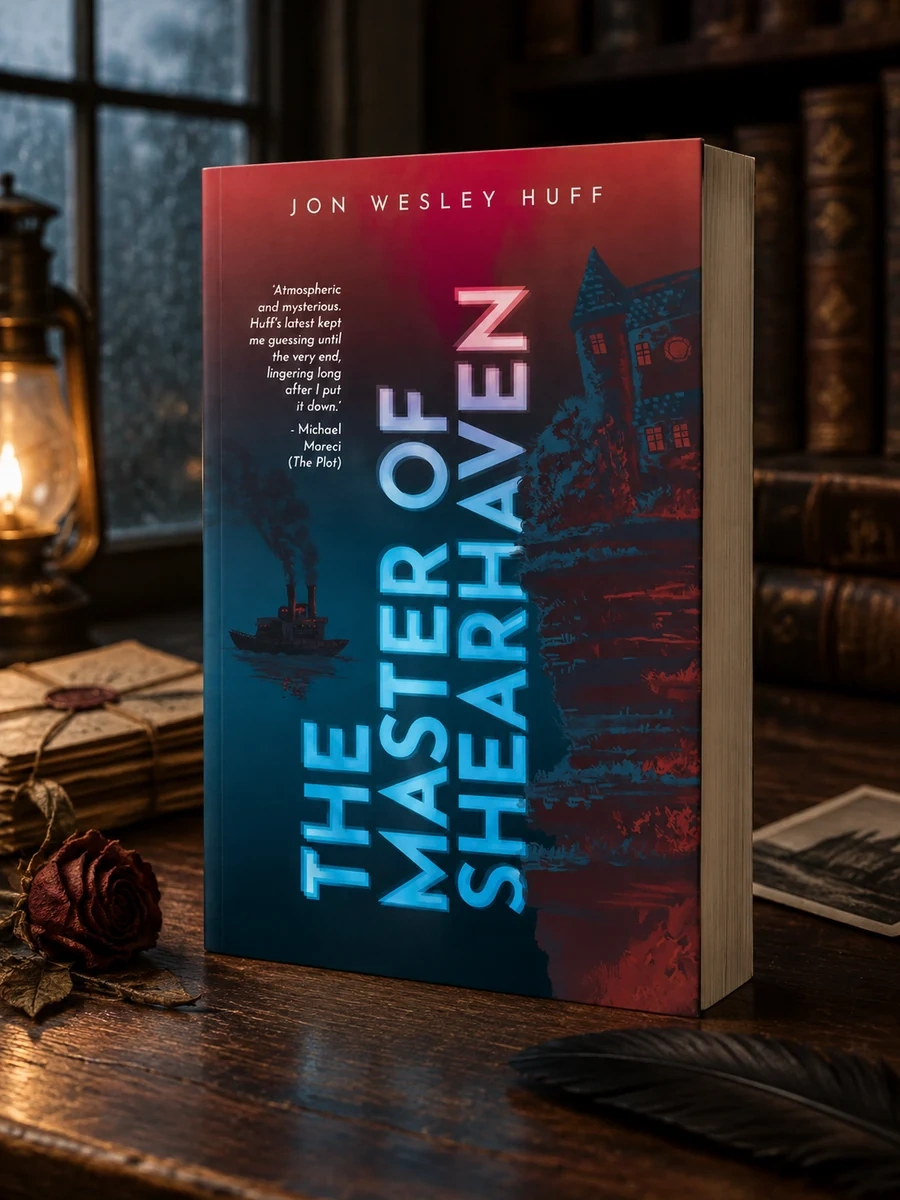
A dual-era gothic novel about a Mississippi estate and gay characters facing supernatural horror.
This book examines the intersection of historical trauma and modern anxiety through the lens of a single haunted location. Huff uses the post Civil War period to establish the roots of the mystery, then shifts to the post pandemic era to show its lingering effects. The narrative does not treat these times as separate but as connected by the physical presence of the bluffs and the river. Readers encounter characters who must confront both external supernatural threats and internal struggles related to their identities. The structure allows for a comparison of how society views fear and difference across generations. It is a work that prioritizes atmosphere and character development over rapid action. The author’s choice to focus on gay characters in a gothic framework provides a fresh perspective on a classic genre. It invites reflection on how the past continues to shape present realities.
The novel is published by Oblivion House in 2024, placing it within contemporary American horror fiction. It engages with specific historical moments, namely the post Civil War and post pandemic periods, to explore ongoing cultural anxieties.


📝 Description: The Master of Shearhaven
💎 Our verdict on The Master of Shearhaven
📖 Why choose it
Why this book is worth reading
Readers who appreciate atmospheric depth over rapid-fire action will find value in this dual-era narrative. Those interested in the intersection of gothic horror and queer literature will appreciate the fresh perspective offered by centering gay characters within a haunted Mississippi estate. The book appeals to audiences seeking emotional resonance alongside supernatural mystery, as it prioritizes character development and the lingering effects of historical trauma. It is ideal for those who enjoy layered storytelling that connects past injustices with present-day fears, rewarding attention to the interplay between the two timelines and the psychological weight carried by the setting.
⭐ Reader reviews
Reader rating
Huff crafts a compelling gothic tale where the Mississippi bluffs function as a central character, influencing both supernatural events and internal struggles. The dual timeline structure effectively bridges post-Civil War roots with post-pandemic anxieties, demonstrating how place shapes identity across generations. The narrative avoids shock value in favor of building tension through historical context and atmospheric dread. While the deliberate pacing may deter those seeking straightforward horror, it suits readers who desire emotional depth and complex protagonists. This work stands out for its thoughtful exploration of difference and fear, offering a sophisticated view of horror that is deeply rooted in both place and personal identity.