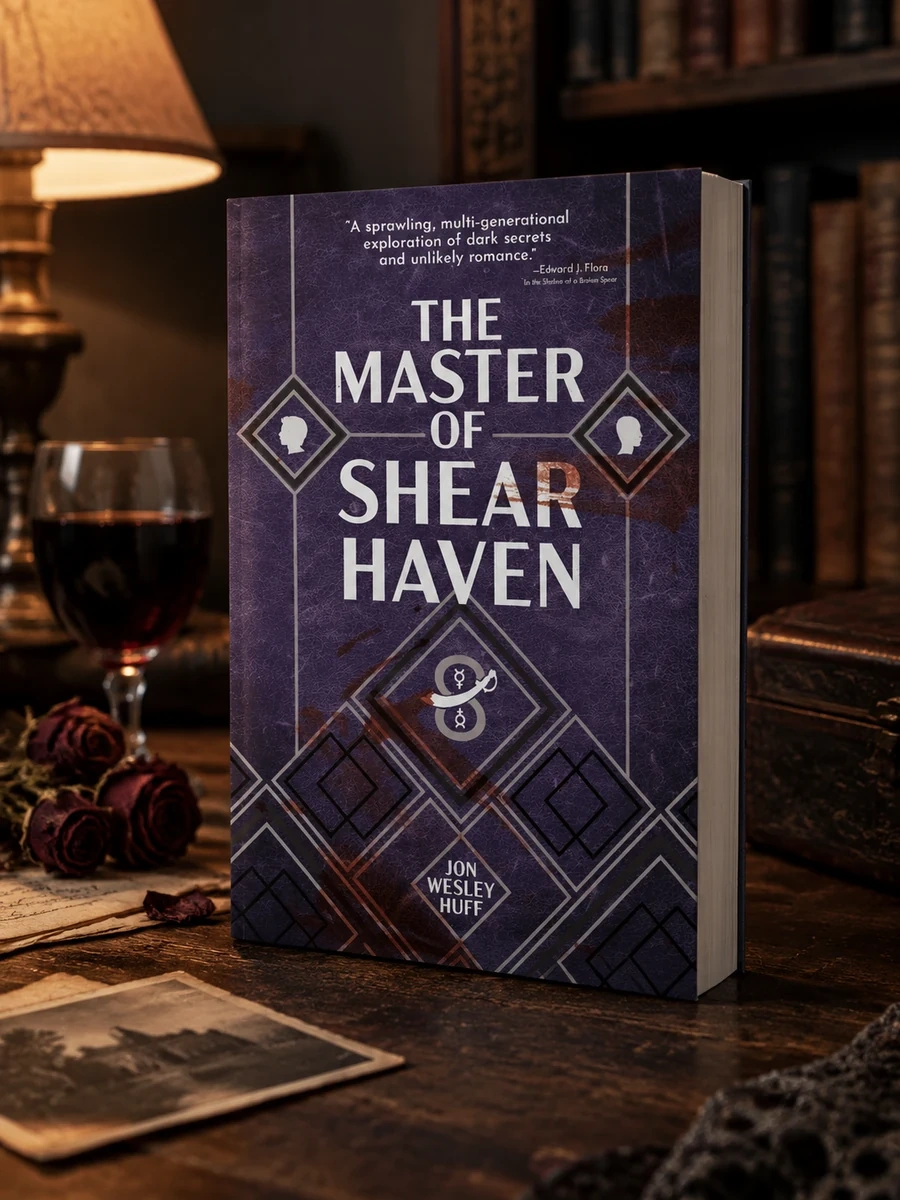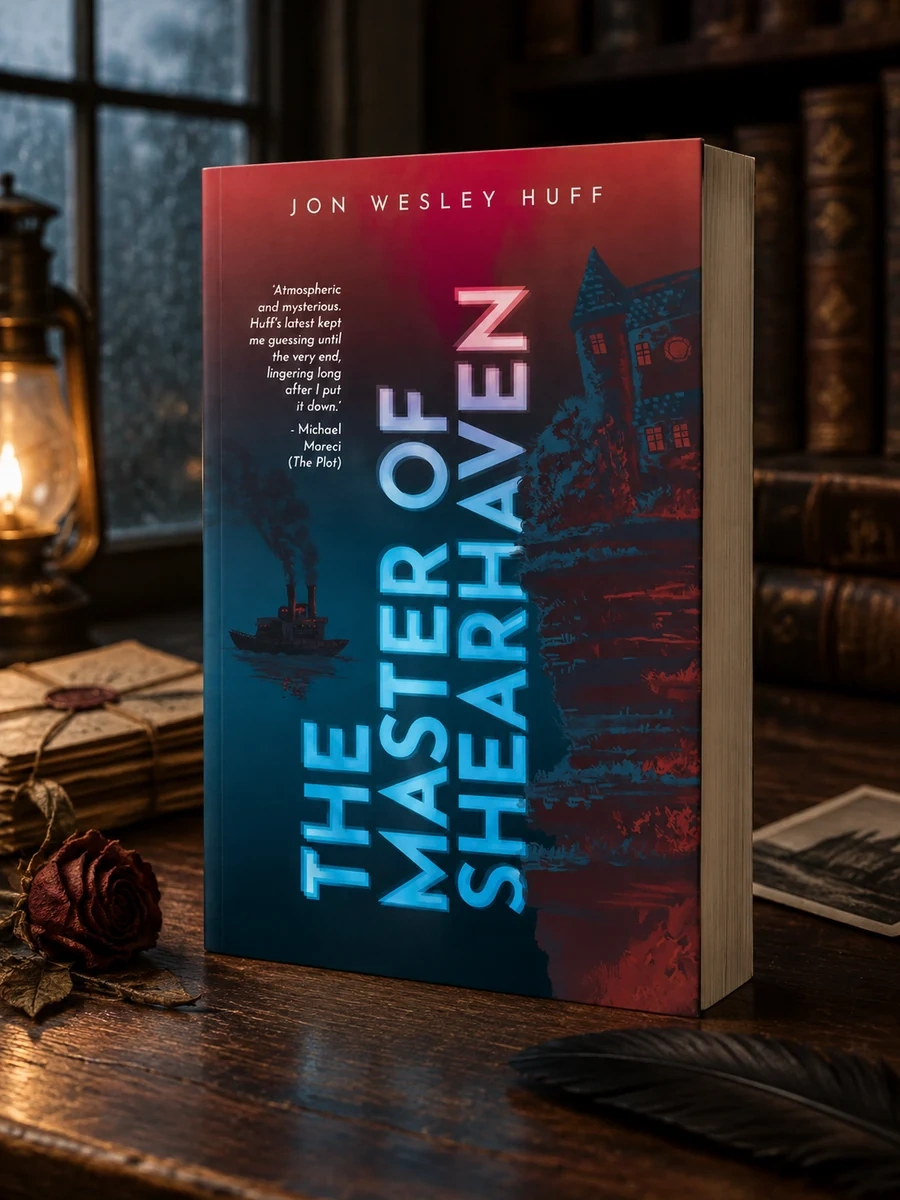
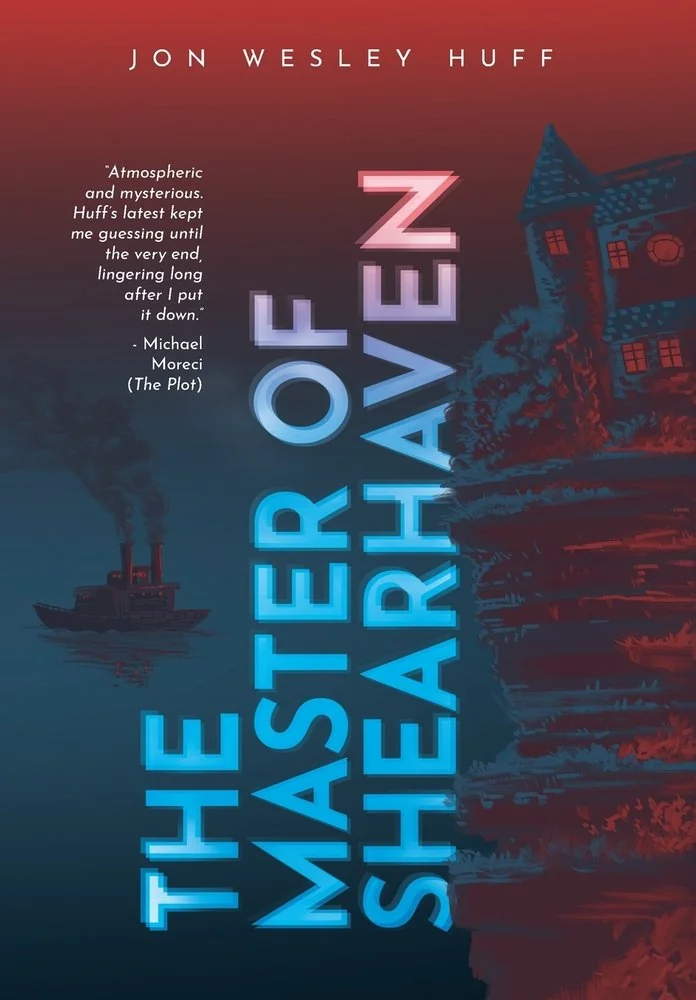
The Master of Shearhaven
A dual era gothic novel about a Mississippi estate and its gay protagonists.
Huff examines how a single location influences lives across different centuries. The narrative connects the post Civil War era with the post pandemic period through shared supernatural elements. Gay characters drive the plot as they uncover hidden truths within the bluffs overlooking the Mississippi. The author uses the estate to explore themes of legacy and survival. This approach creates a unique bridge between historical fiction and contemporary horror. Readers interested in how place shapes identity will find this compelling. The book avoids simple scares, opting instead for psychological depth and atmospheric dread.
The book sits within the gothic fiction tradition, specifically addressing post Civil War history and post pandemic American society. It offers a perspective on supernatural horror through the experiences of gay characters in these distinct periods.


📝 Description: The Master of Shearhaven
💎 Our verdict on The Master of Shearhaven
📖 Why choose it
Why this book is worth reading
Readers seeking atmospheric dread and psychological depth will find this narrative compelling. It offers a unique exploration of how place shapes identity across centuries, connecting post-Civil War history with post-pandemic anxiety through shared supernatural elements. The book is ideal for those interested in gothic fiction who appreciate diverse representation and complex examinations of fear and heritage. Those willing to engage with layered mysteries and deliberate pacing will discover a serious entry in modern gothic literature that avoids simple scares in favor of meaningful thematic resonance.
⭐ Reader reviews
Reader rating
Jon Wesley Huff delivers a sophisticated gothic tale anchored by the bluffs overlooking the Mississippi. The dual-era structure effectively highlights parallels between historical secrets and present horrors, creating a twisting plot driven by gay protagonists uncovering hidden truths. While it demands attention to its atmospheric tension and layered mysteries, the book succeeds in blending historical dread with contemporary anxieties. It avoids easy resolutions, offering instead a complex exploration of legacy and survival. This work suits readers who appreciate diverse representation within supernatural themes and are willing to engage with a deliberate, dark tone that prioritizes psychological insight over straightforward scares.