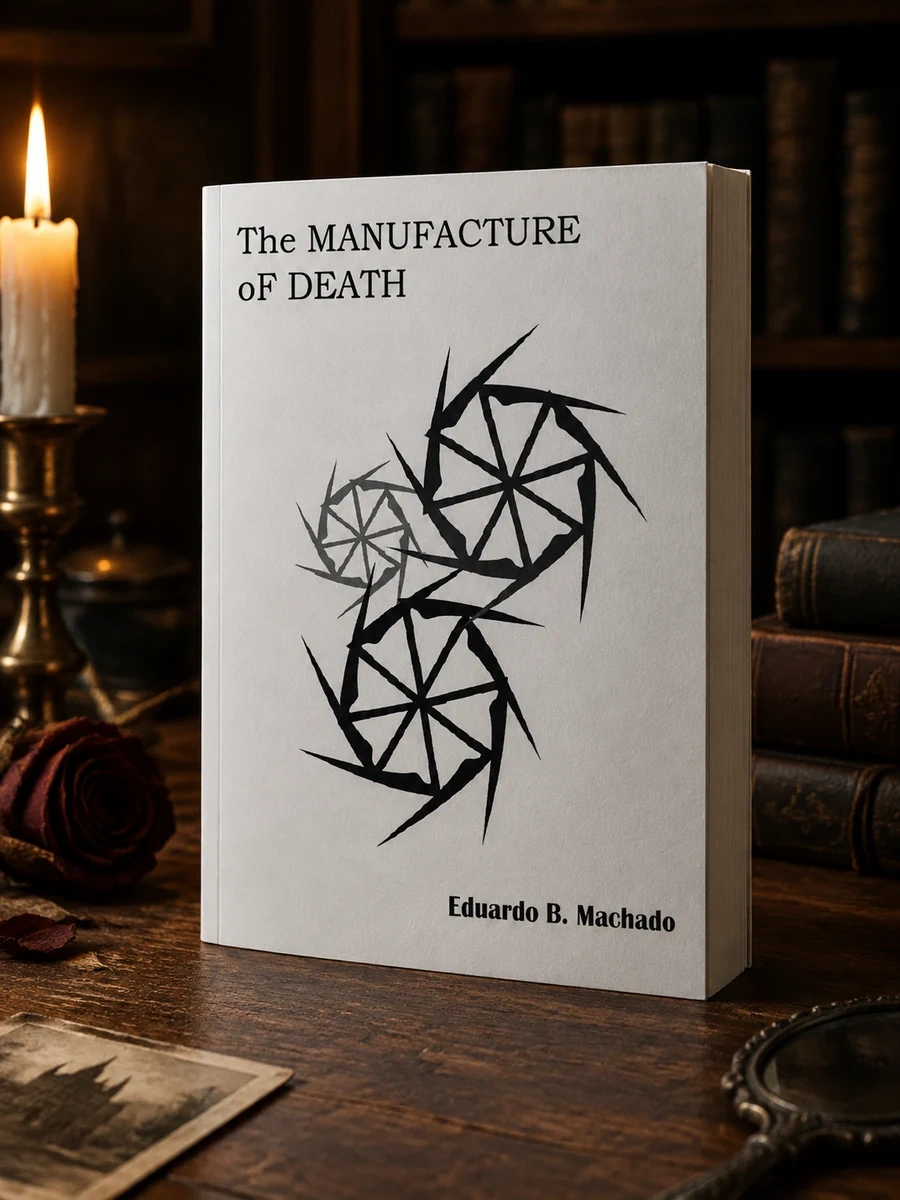
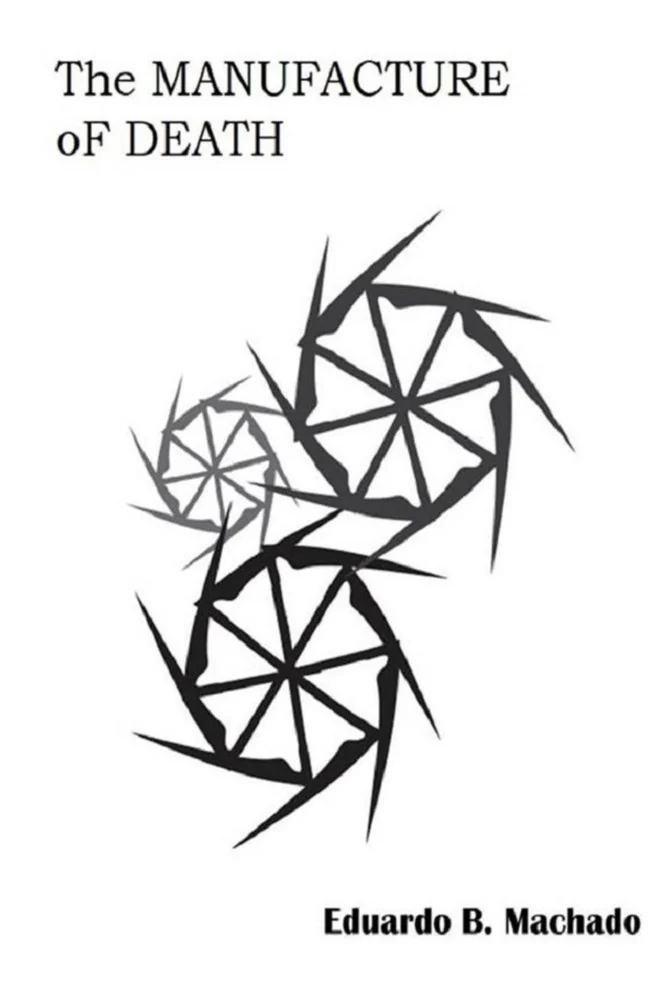
The Manufacture of Death
A gothic tale of maternal defense against supernatural industrial horror in nineteenth-century Germany.
Machado investigates the cost of progress through a lens of the uncanny. The narrative does not focus on technological innovation but rather on the spiritual and physical toll it takes on ordinary people. By placing a family unit at the center of this conflict, the author highlights the vulnerability of domestic life against larger, unseen powers. The story suggests that the machinery of industry is not merely metal and steam but a conduit for ancient evils. Readers interested in how folklore intersects with social history will find value here. The text avoids modern political commentary, sticking strictly to the period’s atmosphere of dread and familial duty.
The book is set in nineteenth-century Germany during a period of intense industrialization. It reflects on the social transformations of that era, specifically how the rise of factories changed family structures and daily life. The narrative draws on gothic traditions to explore the psychological impact of this historical shift on individuals.


📝 Description: The Manufacture of Death
💎 Our verdict on The Manufacture of Death
📖 Why choose it
Why this book is worth reading
Readers who appreciate atmospheric gothic horror and the intersection of folklore with social history will find value here. The narrative avoids modern political commentary, focusing strictly on the period’s atmosphere of dread and familial duty. It offers a unique perspective on how personal love confronts systemic cruelty within a transformed society. Those seeking fast-paced action or historical non-fiction may find the focus on mood less engaging. However, fans of psychological horror and tales where the setting itself generates terror will appreciate this specific view of maternal defense against supernatural industrial forces.
⭐ Reader reviews
Reader rating
Machado effectively critiques social degradation by framing industrialization as a machine of death that feeds on human suffering. The narrative centers on a mother’s nightly struggle to protect her children, highlighting the vulnerability of domestic life against unseen powers. The text succeeds in creating a dense atmosphere of dread without relying on modern political allegories. It is best suited for readers who enjoy slow-burn horror where mood and family dynamics drive the terror. While it may disappoint those seeking action or factual history, it stands as a compelling study of how folklore intersects with historical exploitation, offering a chilling look at the cost of progress through a lens of the uncanny.
📖 Read on the blog
✍️ More books by this author Eduardo B Machado


🏛 Books from this publisher Independently Published






You might also like
See more →



Have a question about this item?
Ask about the edition, condition, delivery or anything else — we reply by email or phone, usually within a day.
