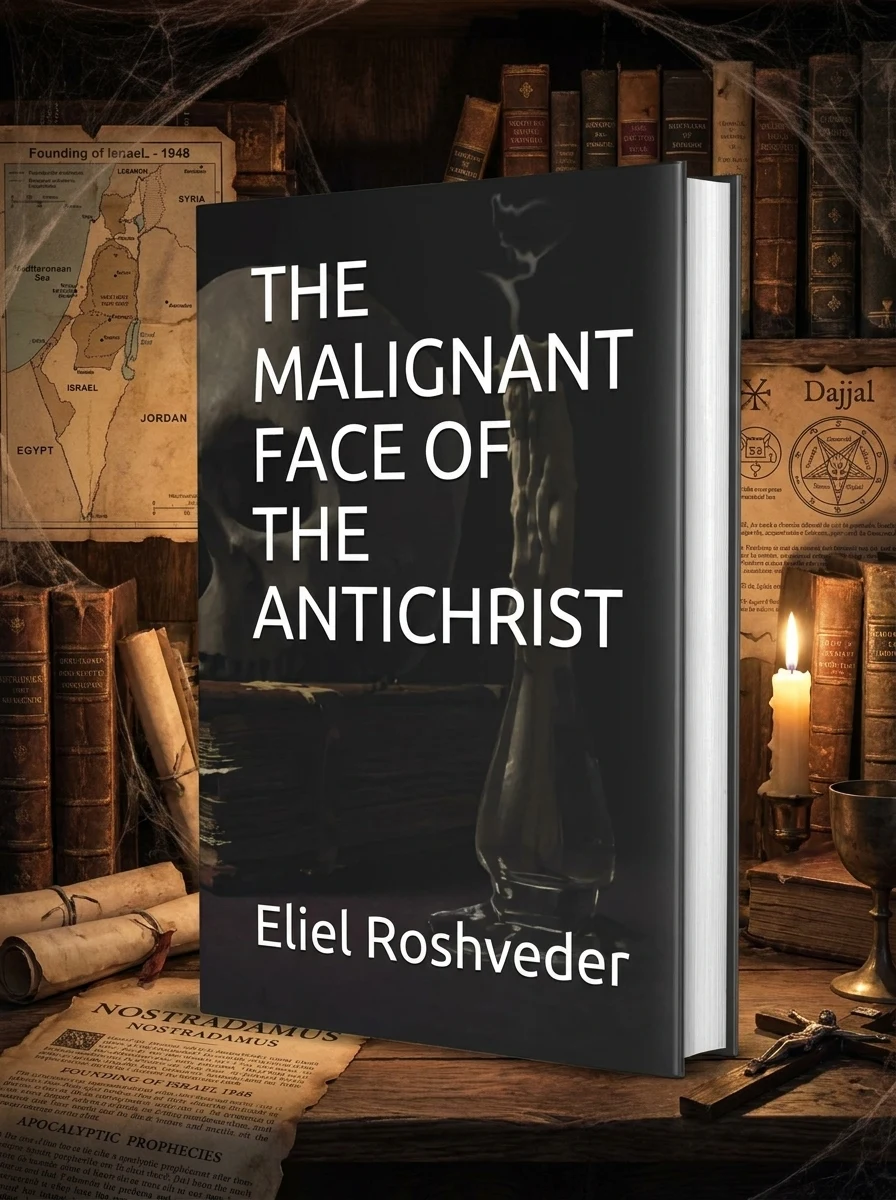
The Malignant Face of the Antichrist
A theological account linking the Dajjal's birth to 1948 and apocalyptic prophecy.
The text outlines a specific eschatological framework where the Dajjal emerges as a central antagonist. Roshveder connects the rise of this figure to the founding of Israel in 1948, framing it as an act of divine hatred. The narrative emphasizes the completion of the 144,000 elect and the church's rapture as prerequisites for the Dajjal's rule. It details a subsequent period where forty days on earth allow for gathering before the final battle against those who resist the beast's mark. The work relies heavily on Nostradamus’s vision of a monster to validate its claims about the Dajjal’s hideous appearance and demonic heritage.
This work sits at the intersection of Christian apocalyptic literature and Islamic eschatology, specifically focusing on the figure of the Dajjal. It references Nostradamus’s prophecies to bridge these traditions, presenting a unique theological perspective that emerged in independent publishing during the late 2010s.


📝 Description: The Malignant Face of the Antichrist
💎 Our verdict on The Malignant Face of the Antichrist
📖 Why choose it
Why this book is worth reading
Readers interested in the synthesis of biblical numerology and Middle Eastern political history will find value in this specific theological framework. The book appeals to those who seek a coherent narrative linking the founding of Israel in 1948 to end-times prophecy. It is essential for audiences exploring the convergence of Christian rapture theology with Islamic concepts of the Dajjal. Those fascinated by the idea of demonic heritage influencing global events may appreciate the detailed timeline provided. The text offers a unique perspective on the completion of the 144,000 elect and the subsequent rise of the beast. It serves as a resource for understanding how modern apocalypticists interpret current affairs through ancient scriptural lenses.
⭐ Reader reviews
Reader rating
Roshveder constructs a dense theological argument that merges disparate eschatological traditions into a singular narrative of divine hatred and demonic usurpation. The author effectively utilizes Nostradamus’s visions to corroborate claims regarding the Dajjal’s hideous appearance, creating a vivid though disturbing portrait of the antagonist. This approach suits readers comfortable with complex religious syncretism and those who view current geopolitical shifts as direct fulfillments of prophecy. While it lacks secular historical analysis, it excels in providing a structured timeline for believers seeking confirmation of their faith through contemporary events. The integration of the mark of six hundred sixty-six with modern resistance adds urgency to the account.
📖 Read on the blog
📖 From the series “Contents of Suspension and Terror”



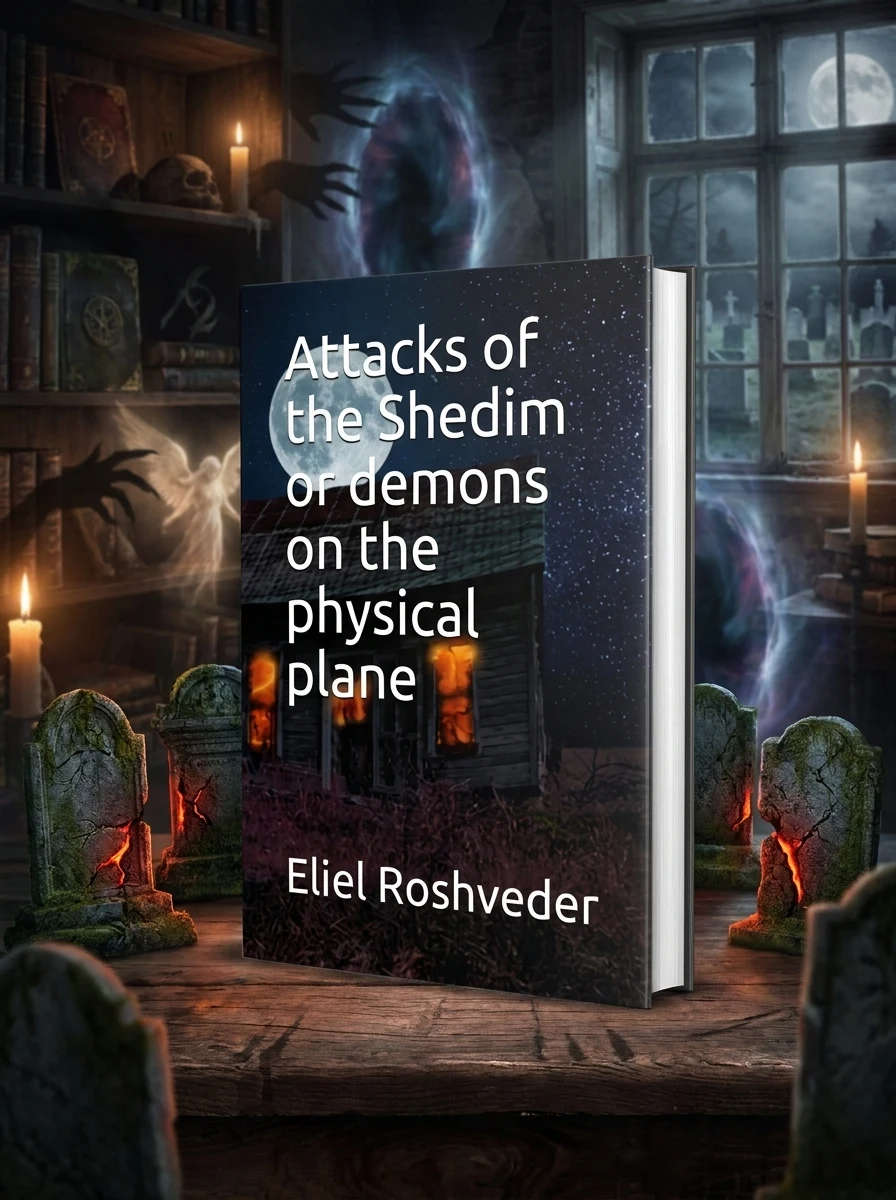

✍️ More books by this author Eliel Roshveder




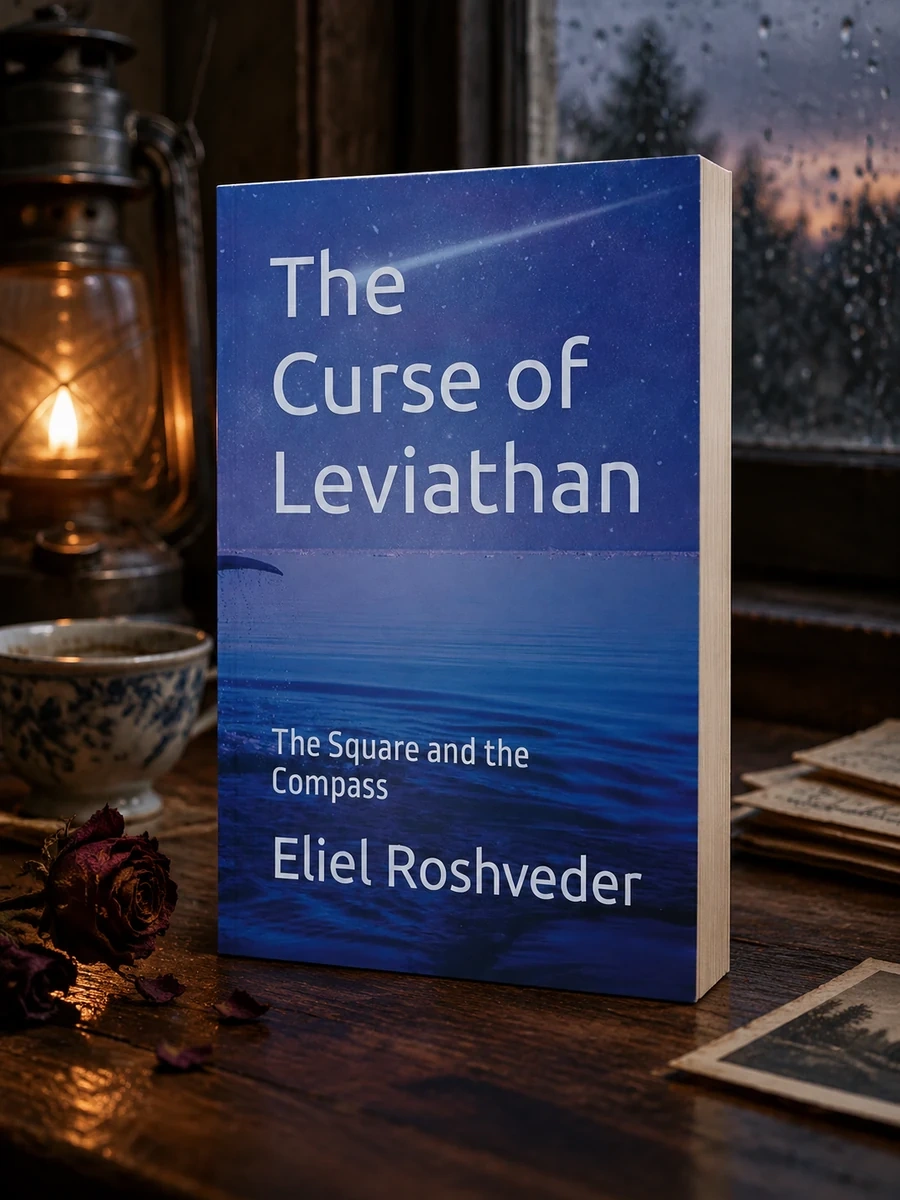

🏛 Books from this publisher Independently Published






You might also like
See more →



Have a question about this item?
Ask about the edition, condition, delivery or anything else — we reply by email or phone, usually within a day.
