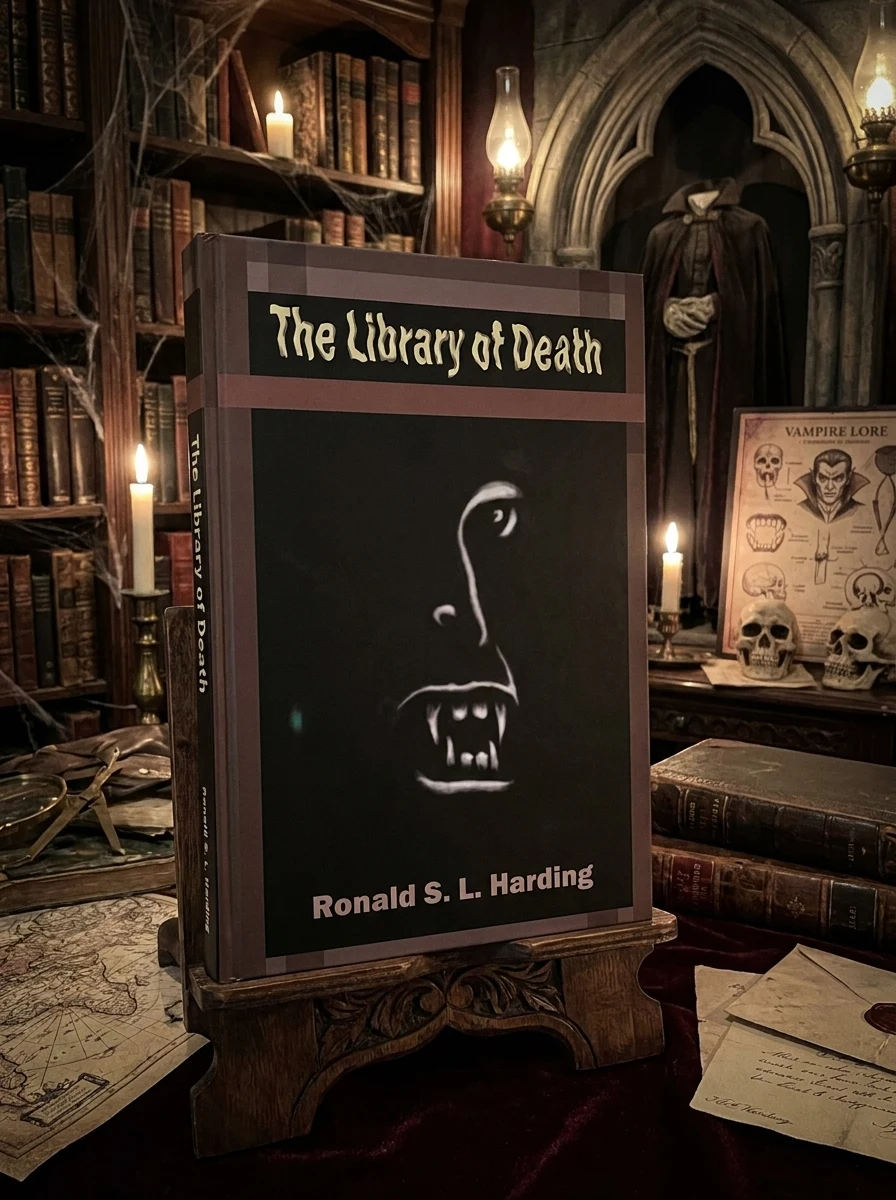
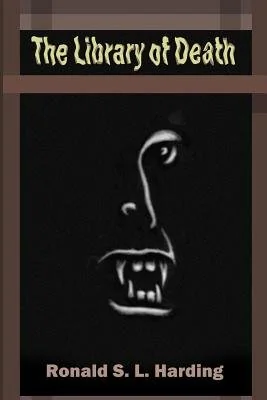
The Library of Death
A 1938 novel evolving from romance into supernatural horror with spectral and vampiric elements.
This volume presents Ronald S.L. Harding’s narrative alongside an introduction by John Pelan. The text explores themes of hereditary vampirism and a headless spectre haunting specific grounds. Pelan highlights the structural shift from light romance to piled-up horror. The edition maintains the integrity of the 1938 original while providing modern accessibility. It serves as a primary source for understanding pre-war supernatural fiction trends. The work does not rely on shock tactics but rather on atmospheric dread and legend. Readers can trace how the mystery develops through the accumulation of terrifying events. This approach distinguishes it from more action-oriented horror novels of the era. The inclusion of Pelan’s commentary helps contextualize the author’s technique for contemporary audiences.
Published in 1938, this novel reflects early twentieth-century gothic traditions. It bridges the gap between romance and supernatural horror. The work stands as a significant example of pre-war genre fiction that challenges tonal expectations through gradual narrative shifts.


📝 Description: The Library of Death
💎 Our verdict on The Library of Death
📖 Why choose it
Why this book is worth reading
Readers who appreciate the slow-burn evolution of classic gothic fiction will find this volume particularly rewarding. It offers a unique historical perspective on how early twentieth-century writers transitioned from light romance to dense supernatural terror without relying on cheap shocks. Those interested in tracing the development of horror tropes, such as hereditary vampirism and spectral hauntings, will gain insight into the structural techniques used to build atmospheric dread. This book is ideal for those seeking a primary source that maintains the integrity of its original 1938 text while providing modern accessibility through contextual commentary.
⭐ Reader reviews
Reader rating
This novel excels in its gradual transformation from leisurely romance to piled-up horror, creating a sense of inevitable doom through accumulation rather than action. The narrative structure allows the mystery to develop organically, appealing to readers who enjoy psychological tension and legend-based terror. While it may not satisfy those seeking immediate thrills or straightforward romantic plots, it serves as a vital study in atmospheric writing. The work effectively demonstrates how genre boundaries were blurred in 1938, offering a refined experience for connoisseurs of classic supernatural fiction who value historical context and stylistic evolution over modern sensationalism.
📖 Read on the blog
✍️ More books by this author John Pelan



🏛 Books from this publisher Ramble House

You might also like
See more →

Have a question about this item?
Ask about the edition, condition, delivery or anything else — we reply by email or phone, usually within a day.
