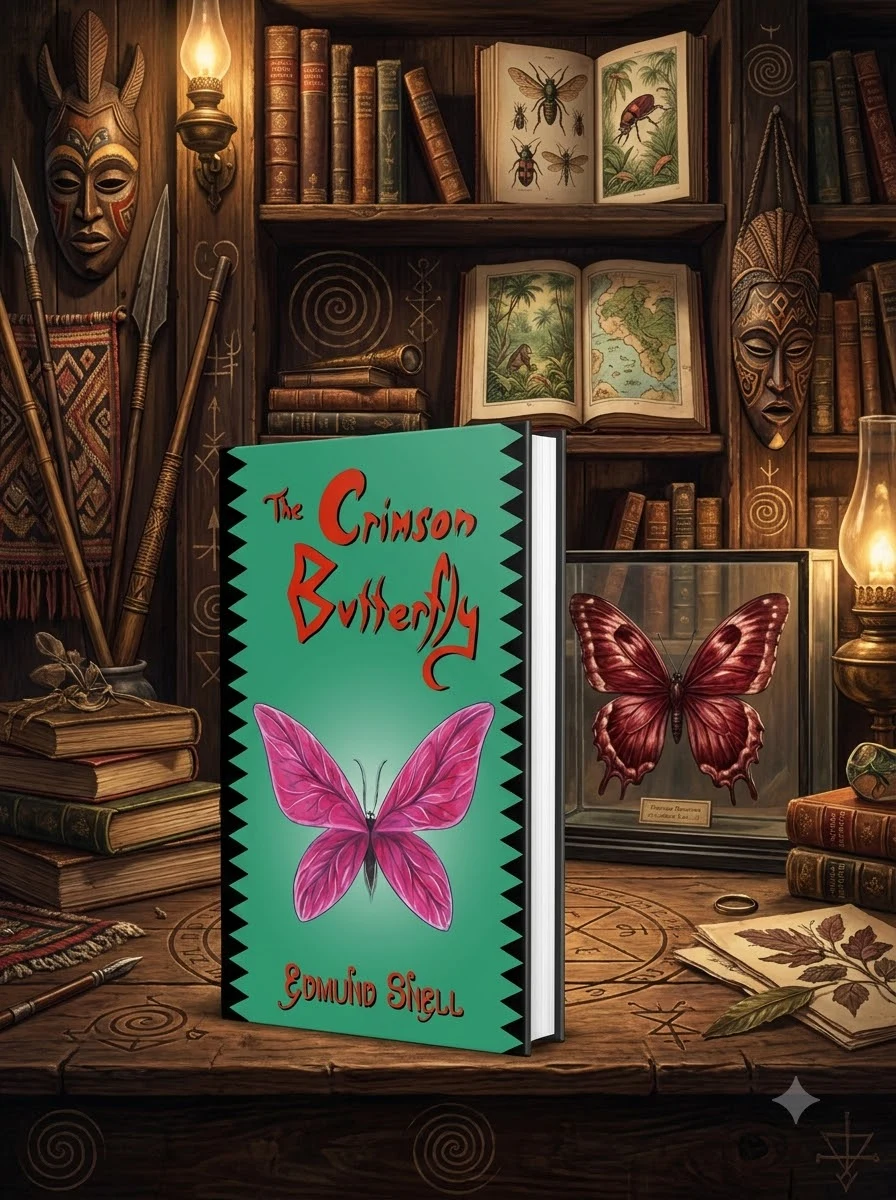
The Crimson Butterfly
A 1924 exotic thriller about a deadly insect in Borneo.
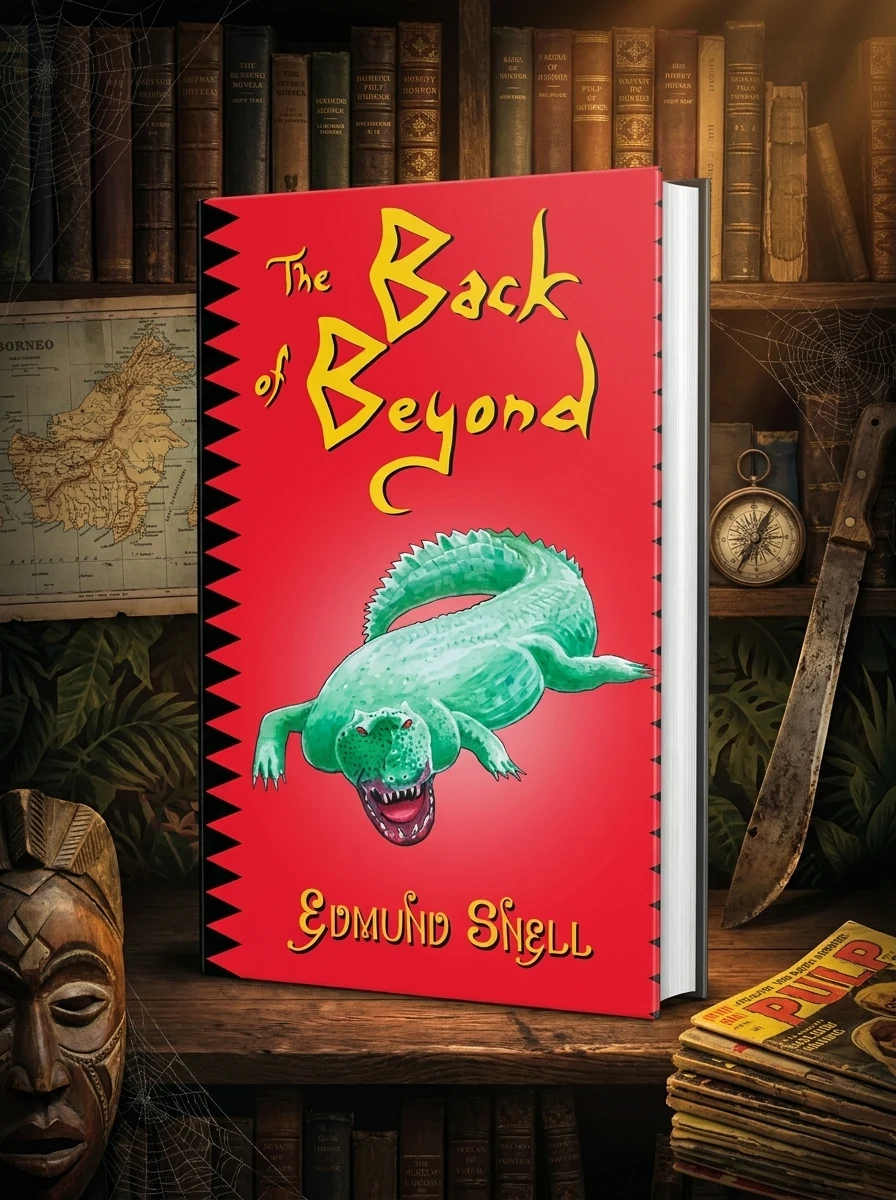
The narrative follows English officials and a visiting professor through the jungles of Borneo. They face a supernatural creature with wings like raw meat. The story examines hypnotism and local sorcery. Snell writes from a colonial perspective common to 1924. The plot involves tracking the beast to its lair. This reflects early twentieth century fascination with exotic locales. The text serves as a record of period superstition.
This novel originates from 1924, reflecting the era's interest in exotic colonial settings. It belongs to the tradition of early twentieth century horror fiction. The work captures the period's fascination with supernatural threats in distant lands.


📝 Description: The Crimson Butterfly
💎 Our verdict on The Crimson Butterfly
📖 Why choose it
Why this book is worth reading
Readers seeking vintage adventure stories with magical elements will find this text relevant for its atmospheric dread and period-specific worldview. It offers a unique window into the superstitions and colonial mindset of the 1920s through the lens of an exotic thriller. The narrative appeals to those who enjoy classic pulp fiction where rationality clashes with the unknown. While modern readers might find the pacing slow, the book serves as a valuable record of early horror tropes. It is ideal for scholars or enthusiasts interested in how fear of the unknown was dramatized during this era, particularly within the context of Borneo's jungles and local sorcery.
⭐ Reader reviews
Reader rating
The book excels in establishing an oppressive atmosphere rooted in colonial perspectives and supernatural dread. It effectively uses the dense jungle setting to explore the fragility of rational authority against ancient magic. The narrative focuses on tracking a lethal, meat-winged insect, creating tension through psychological horror rather than immediate action. This approach suits fans of classic pulp fiction and gothic traditions who appreciate period-specific superstition. However, it may disappoint those seeking historical accuracy or contemporary psychological depth. The slow pacing is a deliberate choice to build atmospheric dread, making it a compelling read for enthusiasts of vintage horror who value mood and thematic exploration over modern narrative speed.
📖 Read on the blog
✍️ More books by this author John Pelan
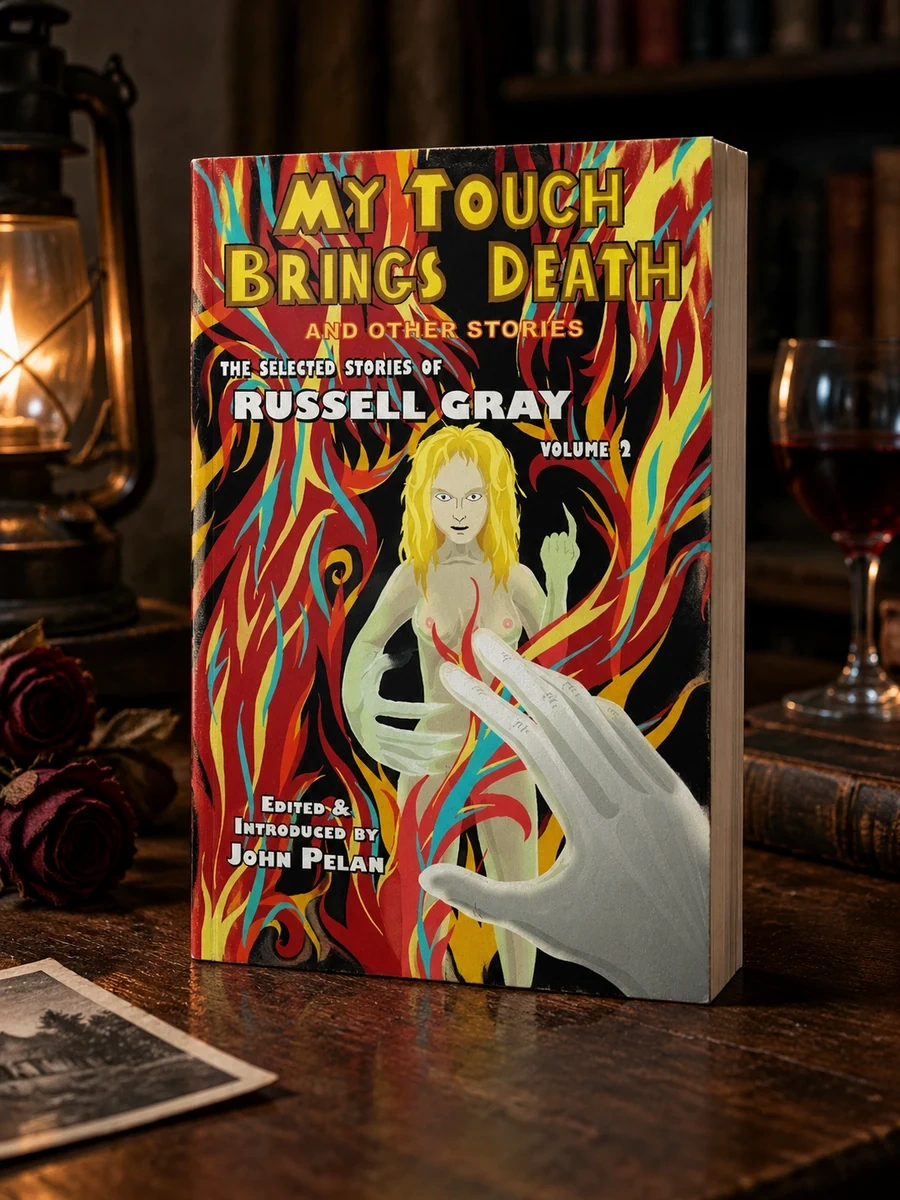


🏛 Books from this publisher Ramble House
You might also like
See more →

Have a question about this item?
Ask about the edition, condition, delivery or anything else — we reply by email or phone, usually within a day.
