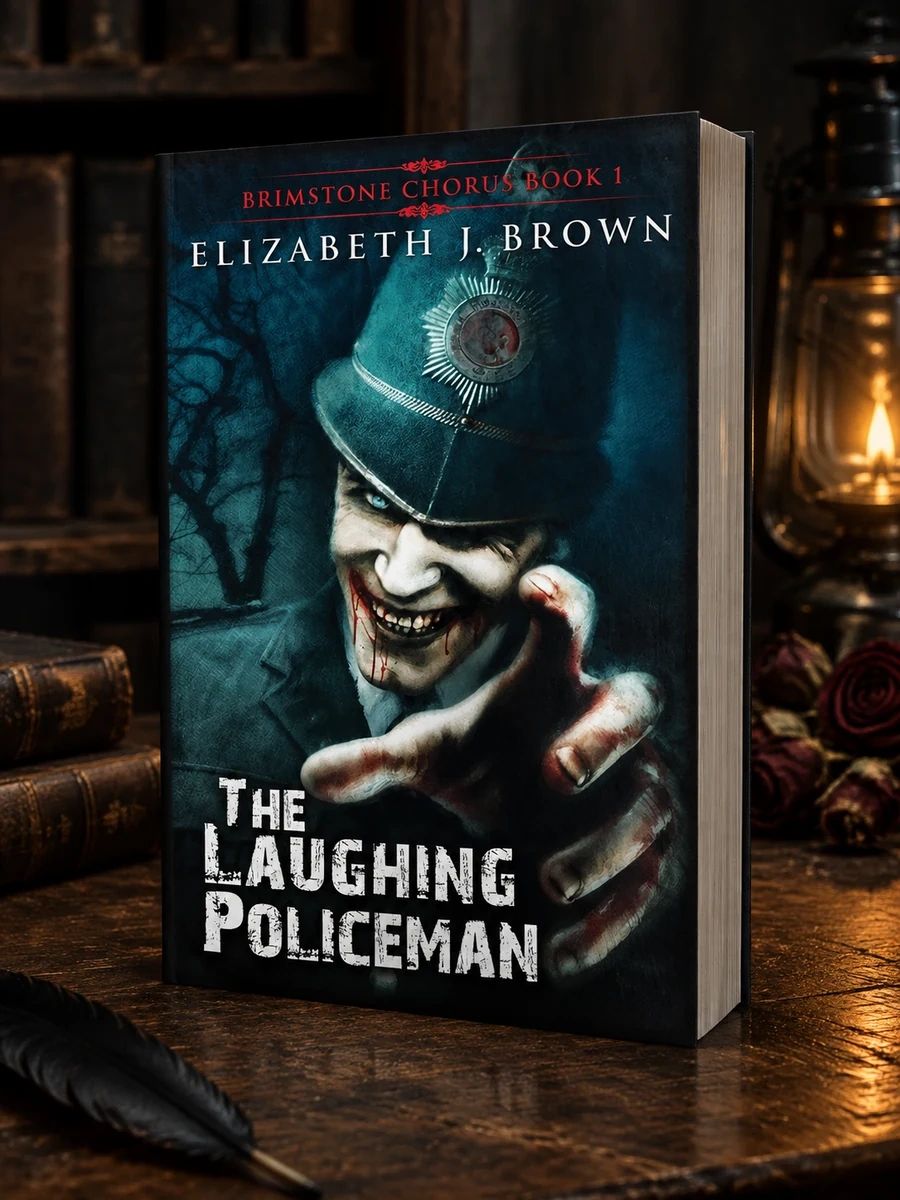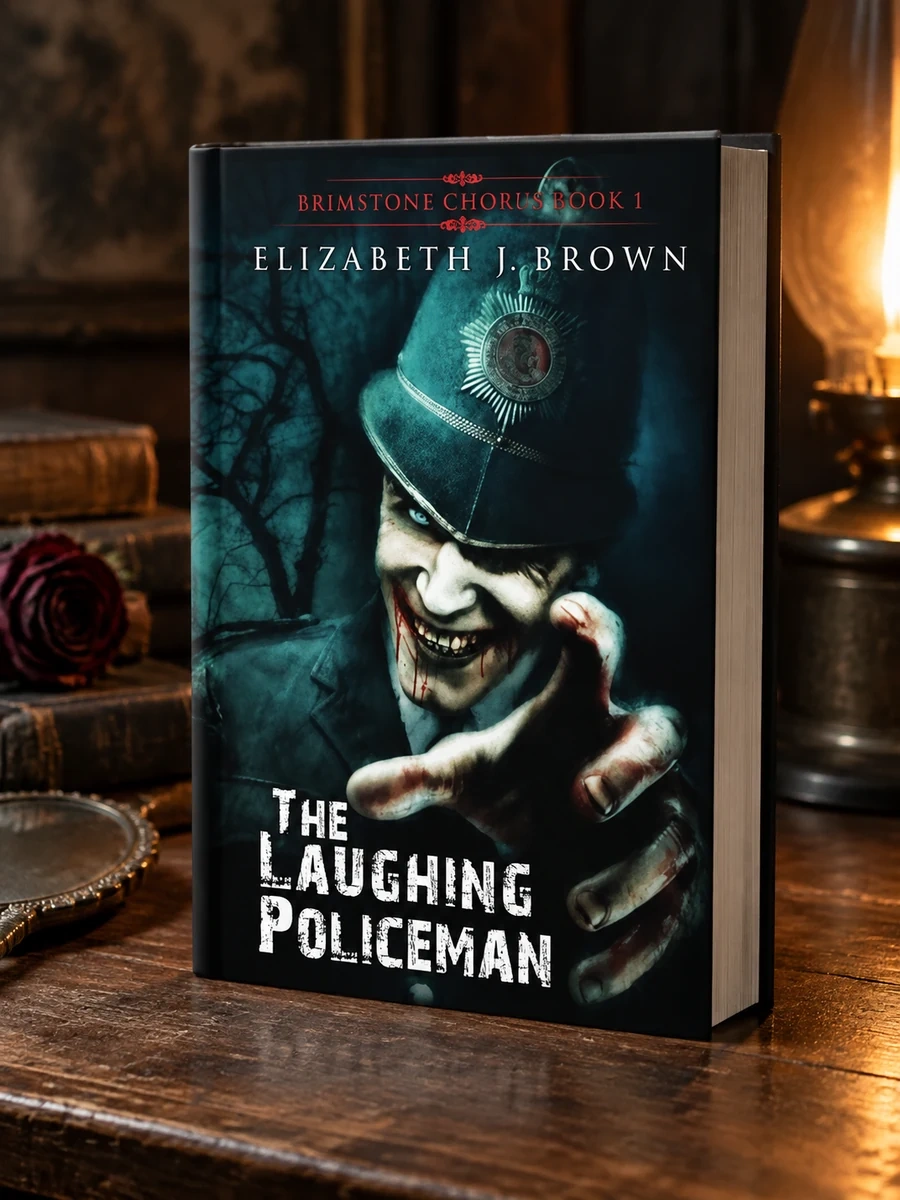

The Laughing Policeman
A retired detective confronts past failures during a new ritualistic murder spree.
The novel follows Charlie Haynes as he navigates the intersection of his past and present. His experience with unsolved cases becomes crucial when new ritualistic murders echo old patterns. Brown uses this connection to explore themes of guilt, redemption, and the persistence of evil. The story does not rely on complex plot twists but rather on the emotional journey of a man confronting what he could not prevent. It is a study of how past failures haunt the present.
This 2022 publication from Kobold Books Limited fits within the contemporary American horror market. It appeals to fans of gothic fiction and supernatural thrillers who value atmospheric storytelling over gore.


📝 Description: The Laughing Policeman
💎 Our verdict on The Laughing Policeman
📖 Why choose it
Why this book is worth reading
Readers who appreciate emotional depth within the horror genre will find this book compelling. It offers a study of guilt and redemption through Charlie Haynes, an aging ex-detective confronting past failures. The narrative explores how unresolved trauma haunts the present, providing psychological weight alongside supernatural threats. Fans of atmospheric tension over graphic content will enjoy the slow-burn fear. Those interested in the intersection of personal demons and external evil will find value in the dual timeline structure. It appeals to those seeking a character-driven mystery where the horror stems from internal struggle as much as external danger.
⭐ Reader reviews
Reader rating
Elizabeth J Brown delivers a poignant exploration of guilt and redemption through Charlie Haynes, an aging ex-detective haunted by unsolved cases. The novel effectively blends gothic horror with police procedural elements, using a dual timeline to connect past failures with present ritualistic murders. Brown prioritizes atmospheric tension and emotional journey over fast-paced action or graphic content, creating a chilling yet introspective experience. The narrative succeeds in making the supernatural threat feel intimately tied to personal trauma. This work suits readers who enjoy psychological weight and character-driven mysteries within horror. It may disappoint those seeking purely realistic crime fiction without supernatural elements. Ultimately, it is a thoughtful examination of how evil persists and how redemption remains elusive.