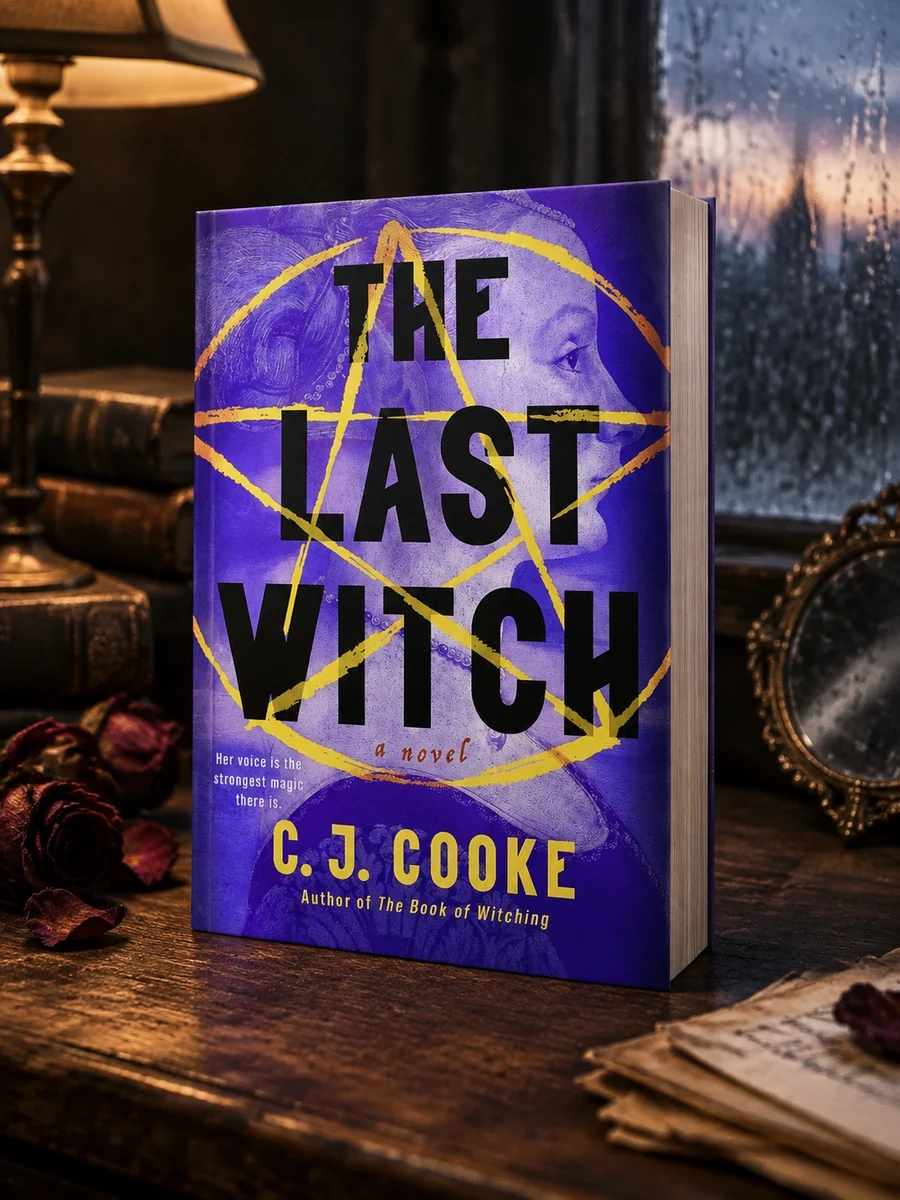
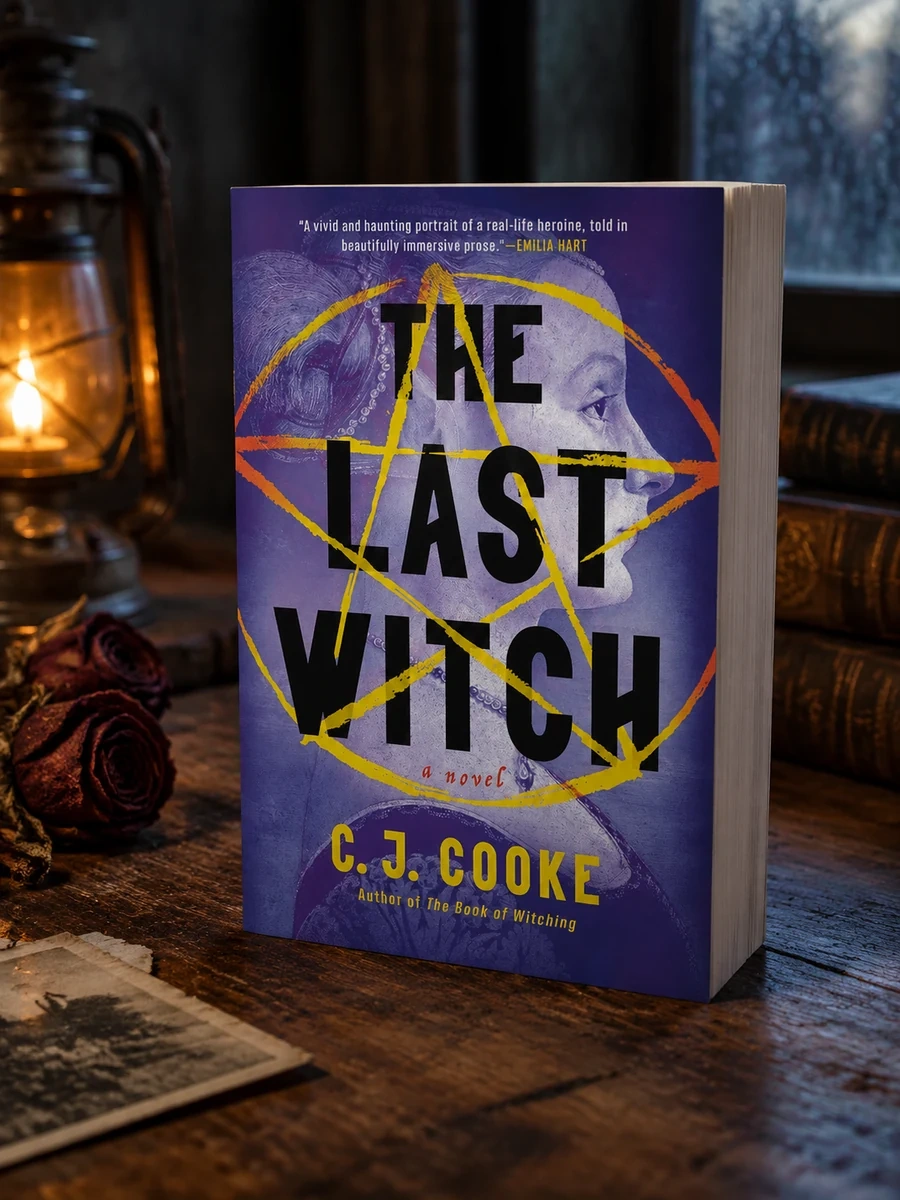
The Last Witch
A historical horror novel about a woman fighting witchcraft accusations in 1485.
Helena Scheuberin lives in a time when women were expected to keep house and bear children. Her refusal to fit this mold makes her a target for a priest seeking to root out witches. The death of a footman provides the pretext for her arrest. Cooke writes from the perspective of a woman using her voice as a weapon. The story avoids magical spectacle in favor of legal and social peril. It highlights the danger of speaking truth to power in a corrupt system. The narrative relies on the documented history of the region rather than invention.
The story is set in Innsbruck in 1485. It draws on the true events surrounding Helena Scheuberin and a notorious witchfinder. The period reflects early European campaigns against women accused of magic. Cooke uses these specific historical details to ground the horror in reality.


📝 Description: The Last Witch
💎 Our verdict on The Last Witch
📖 Why choose it
Why this book is worth reading
Readers interested in the intersection of history and horror will find significant value in this narrative. It offers a sharp portrait of resistance rather than passive victimhood, highlighting the danger of speaking truth to power within a corrupt system. The book appeals to those who appreciate dense historical context and quiet tension over loud supernatural scares. Fans of C.J. Cooke’s previous work, particularly The Book of Witching Innsbruck, will likely enjoy this return to similar thematic territory. It is ideal for audiences seeking atmospheric gothic tales that prioritize legal and social peril over magical spectacle.
⭐ Reader reviews
Reader rating
C.J. Cooke delivers a compelling historical horror novel rooted in the true story of Helena Scheuberin. By avoiding magical spectacle, the narrative focuses on the intense legal and social dangers faced by a woman who refuses to conform. The text draws directly from real-life cases, creating a realistic exploration of female power within a patriarchal framework. This approach results in quiet tension rather than fast-paced action, which may deter some but delights others. It is best suited for readers who enjoy atmospheric gothic tales and dense historical contexts. Those preferring loud scares might find the focus on social peril too slow. Ultimately, it stands as a strong entry for fans of Cooke’s previous work.
📖 Read on the blog
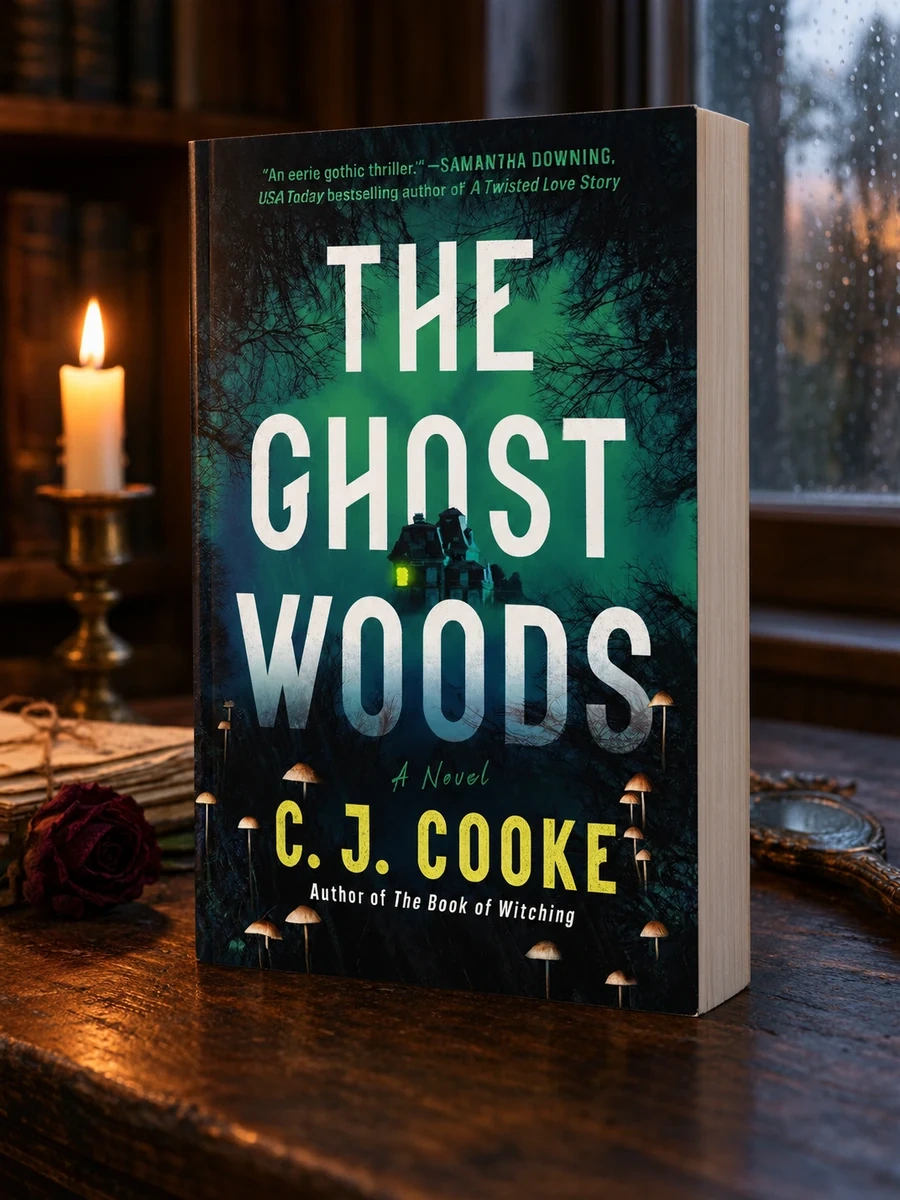
✍️ More books by this author C J Cooke


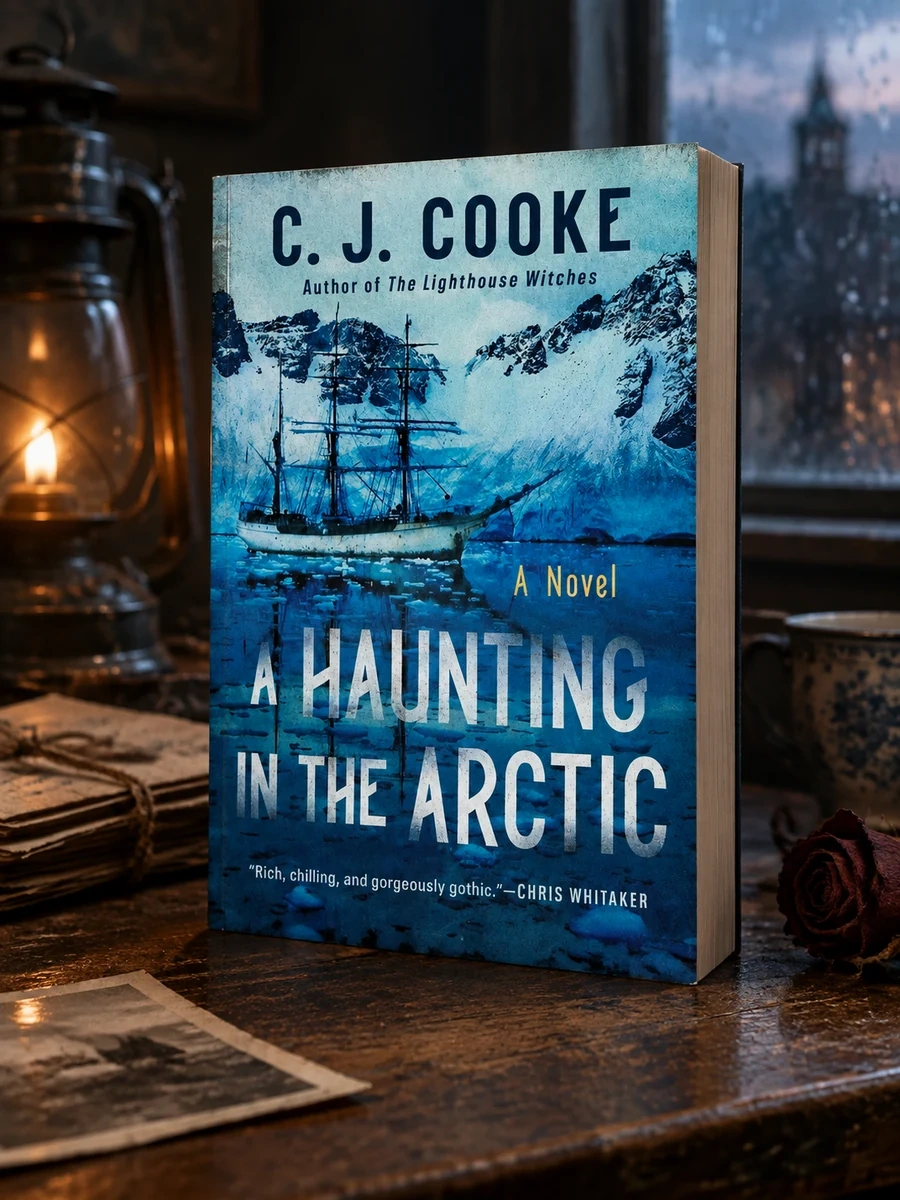
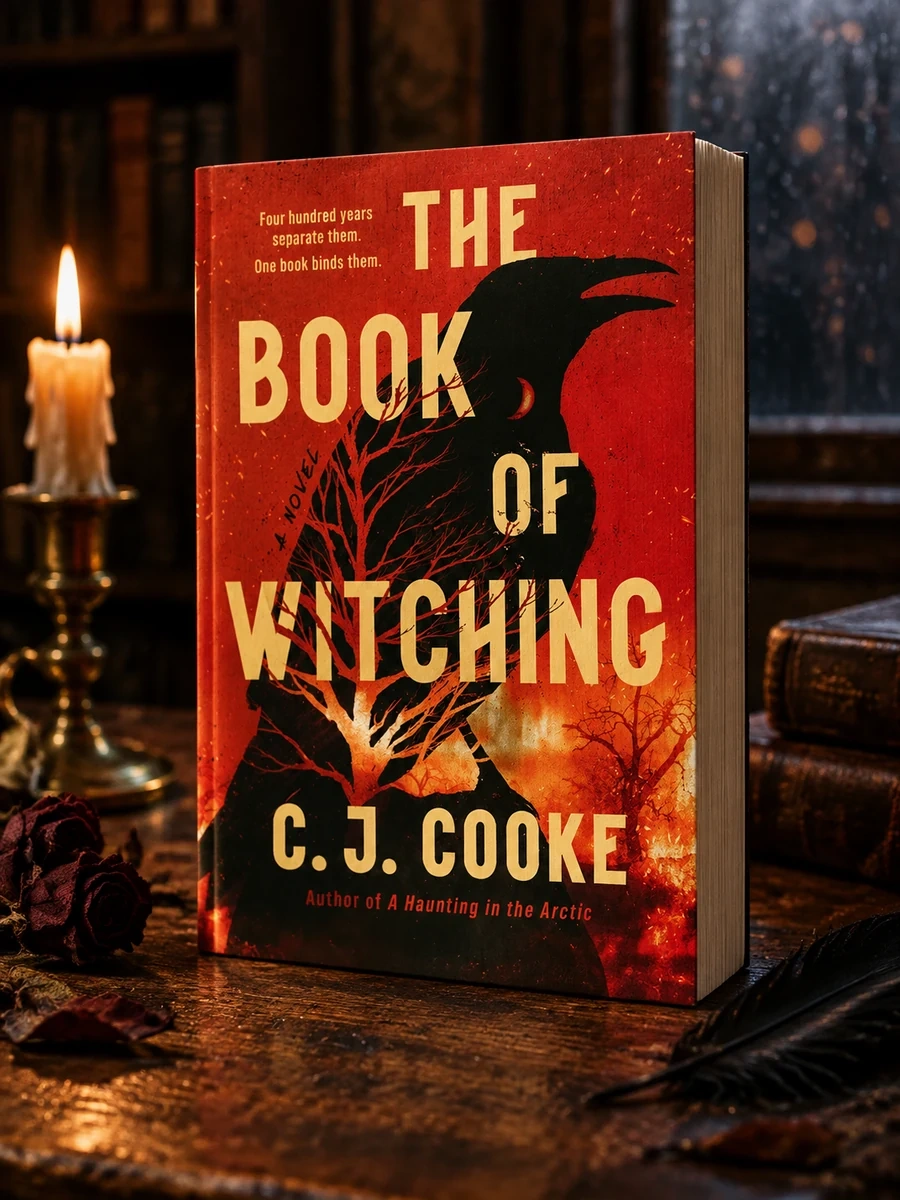
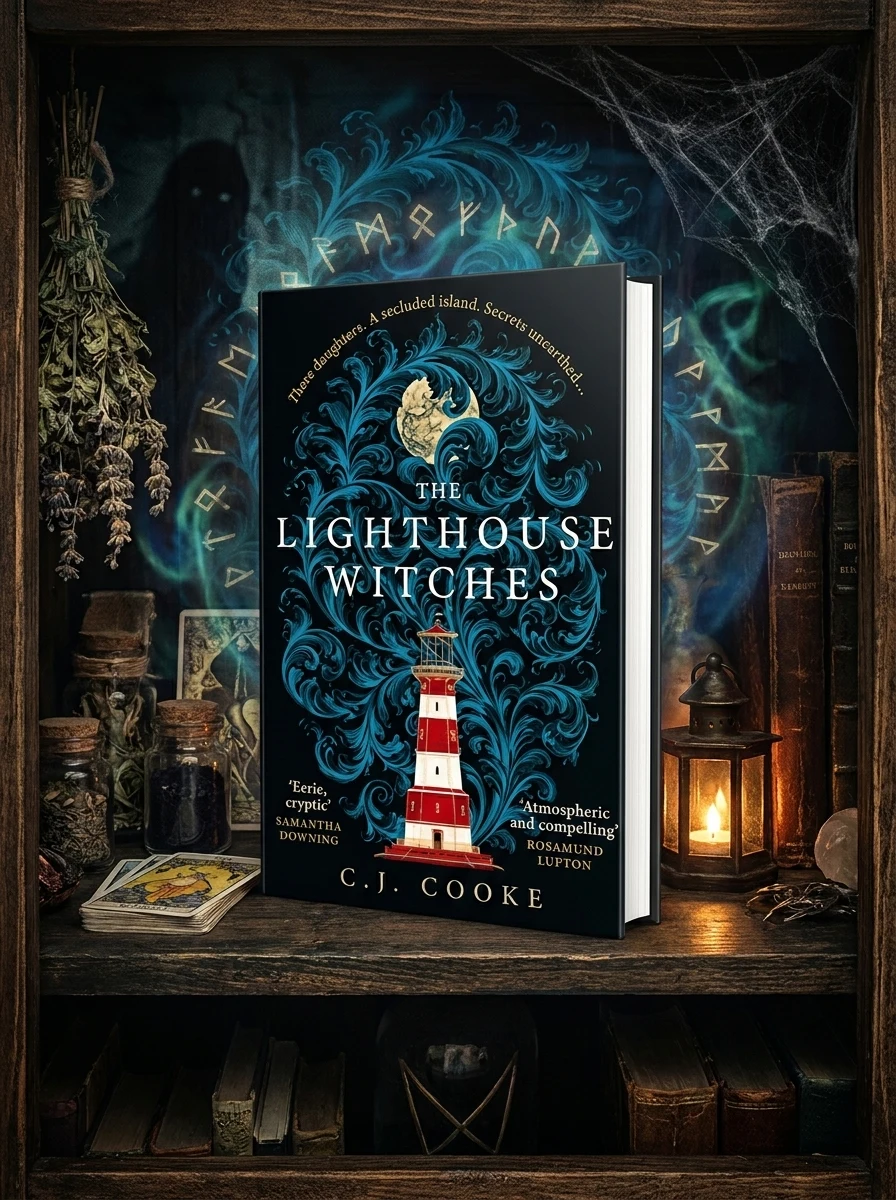
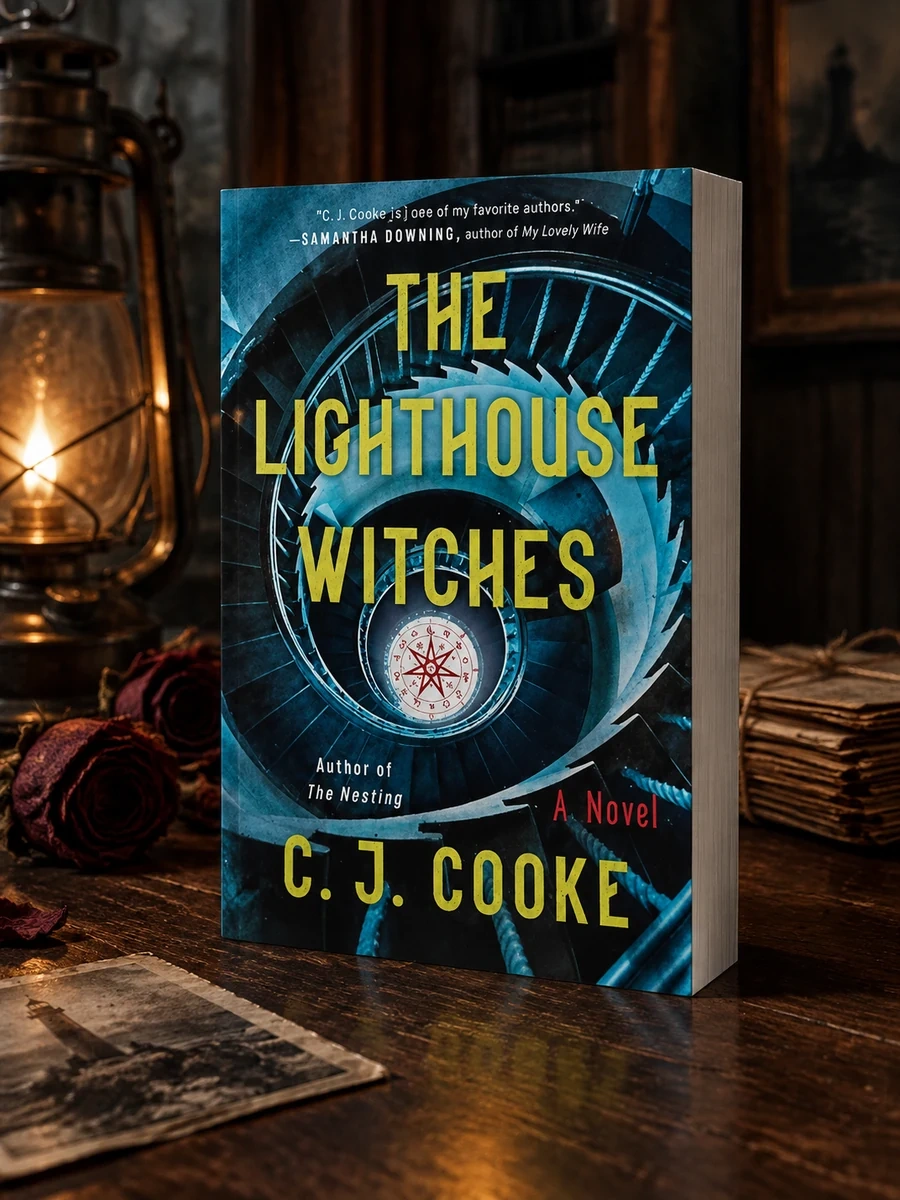
🏛 Books from this publisher Berkley Books


You might also like
See more →

Have a question about this item?
Ask about the edition, condition, delivery or anything else — we reply by email or phone, usually within a day.
