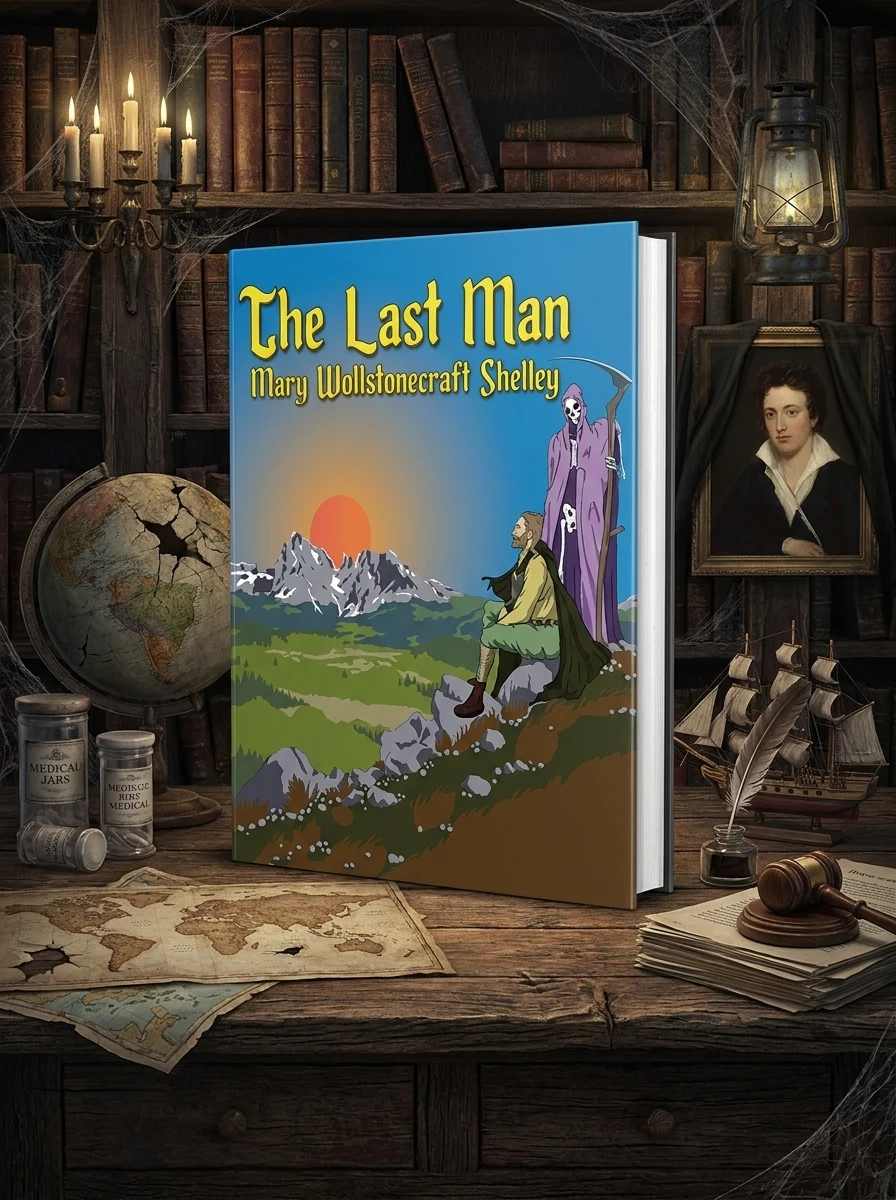
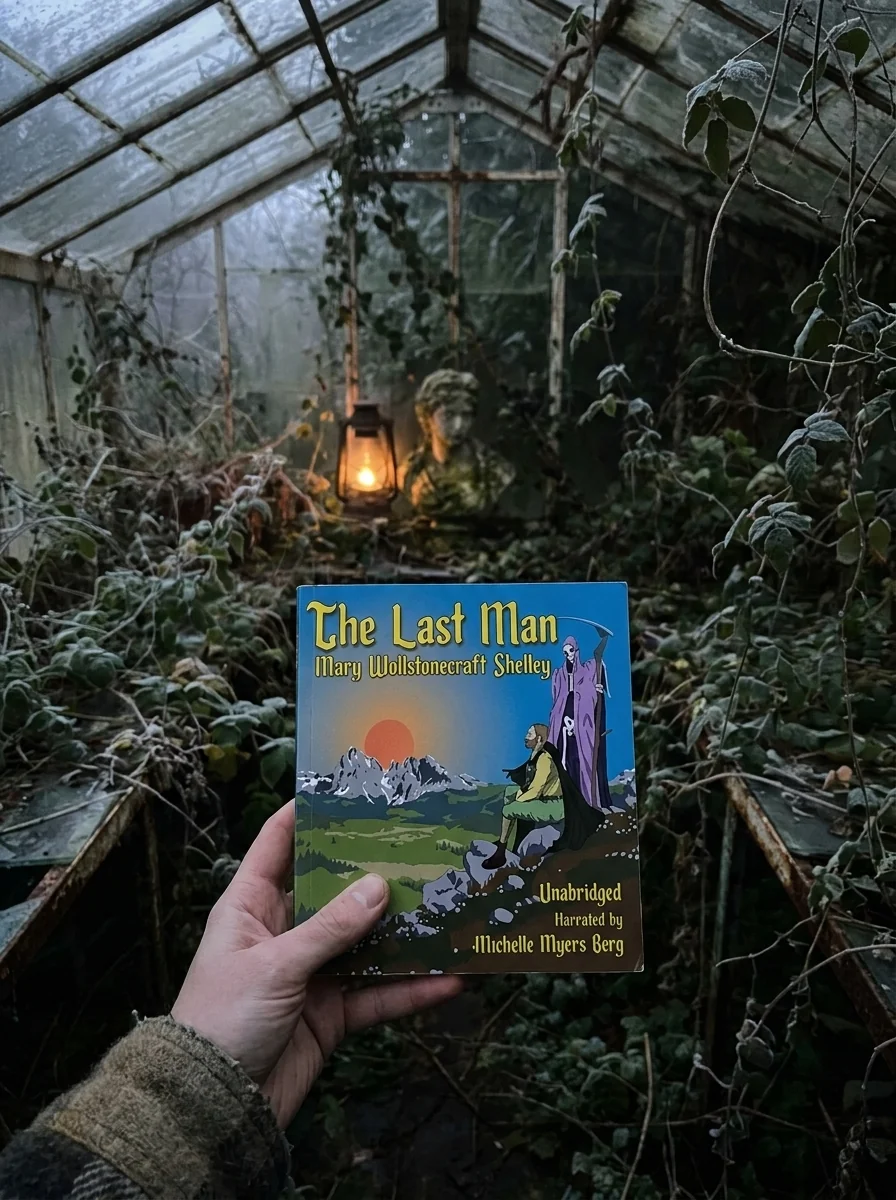

The Last Man
Currently unavailable
This book is sold out right now. Leave your email — we'll let you know if it comes back, and you'll get 10% off any book today.
In stock now — readers of this book also loved:





A suppressed 1826 novel about a pandemic-ravaged future Earth.
This volume reclaims a forgotten work of fiction from the early nineteenth century. Mary Shelley uses the framework of a global plague to examine the fragility of civilization and government. The story moves away from supernatural horror toward a grounded depiction of societal collapse. It reflects on the romantic era through political observation rather than ghostly encounters. The narrative structure follows the decline of humanity without relying on traditional genre tropes. This approach distinguishes it from later dystopian classics that focus on totalitarian control. The text serves as a historical artifact of romantic literature and early science fiction.
Published in 1826, this novel sits at the intersection of romantic literature and early science fiction. It reflects the political anxieties of the romantic era through its depiction of English republican culture. The work was suppressed for decades before being recognized as fiction in the twentieth century.


📝 Description: The Last Man
💎 Our verdict on The Last Man
📖 Why choose it
Why this book is worth reading
Readers interested in the philosophical underpinnings of horror and the evolution of speculative fiction will find this volume essential. It offers a unique perspective on mortality and political failure, distinct from later dystopian classics focused on totalitarian control. Those who appreciate emotional depth over action-oriented plots will gain insight into the Romantic era's engagement with global catastrophe. The text serves as a vital historical artifact, revealing how early nineteenth-century authors envisioned societal decline without relying on traditional genre tropes. It is ideal for scholars and enthusiasts seeking to understand the roots of apocalyptic narratives through a grounded depiction of humanity's fragility.
⭐ Reader reviews
Reader rating
This novel distinguishes itself by moving away from supernatural horror toward a grounded examination of civilization's collapse. Mary Shelley’s narrative structure tracks the decline of humanity without relying on traditional genre tropes, focusing instead on political observation and romantic ideals. While it may feel too slow-paced for readers seeking immediate horror thrills, its strength lies in its philosophical reflection on mortality. The work is best suited for those interested in the historical context of speculative fiction and the intersection of Romantic literature with early science fiction themes. It remains a significant example of how societal fragility was conceptualized before the modern dystopian genre fully crystallized.
📖 Read on the blog
✍️ More books by this author Mary Wollstonecraft Shelley

🏛 Books from this publisher Spoken Realms

You might also like
See more →

Have a question about this item?
Ask about the edition, condition, delivery or anything else — we reply by email or phone, usually within a day.
