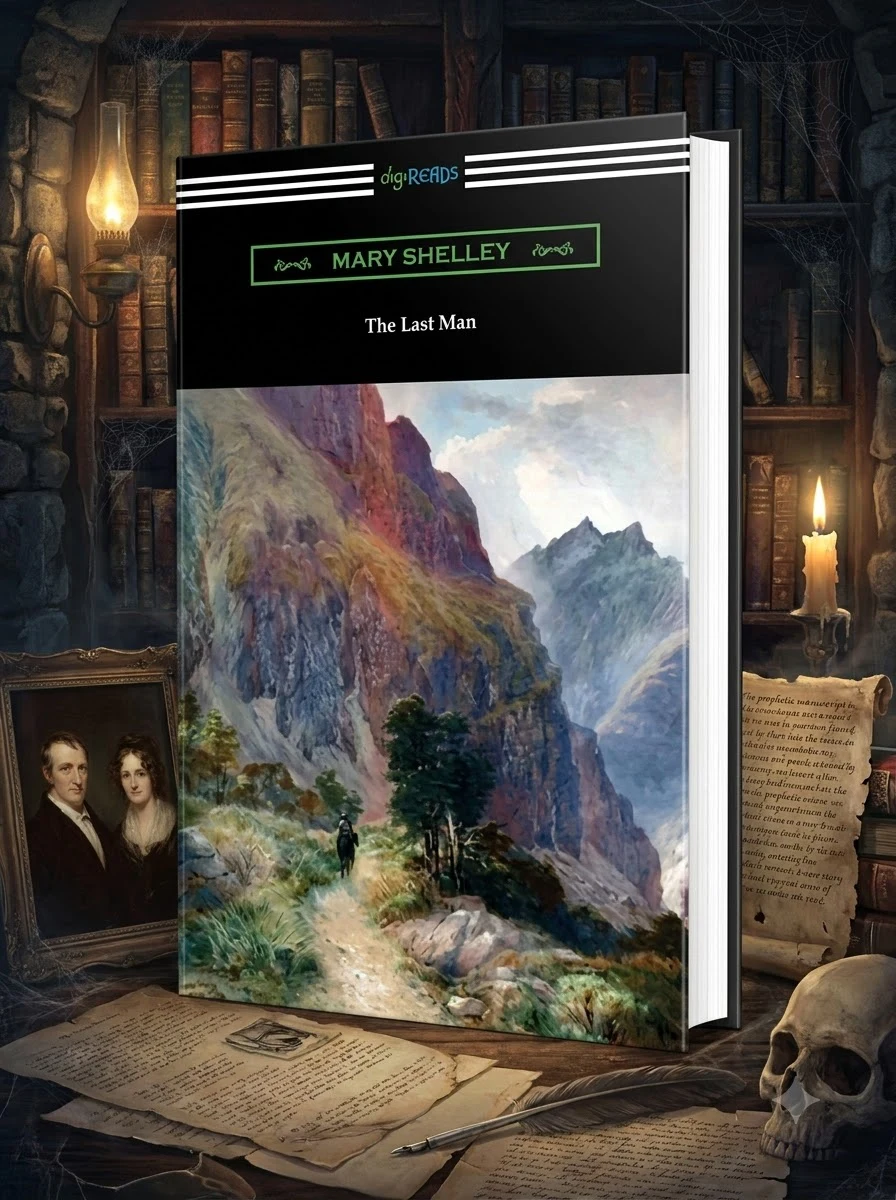

The Last Man
A gothic novel about the last survivor of a global plague.
This work presents a fictional apocalypse through the eyes of Lionel Verney. He discovers a manuscript written in 2100 by the final human. The text details the spread of a deadly plague across Europe and beyond. Shelley uses this framework to critique political systems and philosophical failures. Her parents were William Godwin and Mary Wollstonecraft, figures known for political philosophy and feminism. Their influence appears in her focus on independence and convention. The novel blends fantasy with a stark reflection of early nineteenth-century society. It avoids traditional heroic arcs, focusing instead on the collapse of order. The edition provided is a physical book published by Digireads.com in 2020. It maintains the integrity of Shelley’s original vision while ensuring longevity through acid-free paper.
Mary Shelley wrote this in 1826. She was the daughter of William Godwin and Mary Wollstonecraft. Her work reflects nineteenth-century English conventions and progressive ideas about independence. The novel influences literary history through its gothic style and examination of civilization.


📝 Description: The Last Man
💎 Our verdict on The Last Man
📖 Why choose it
Why this book is worth reading
Readers interested in the intersection of political philosophy and apocalyptic fiction will find this novel compelling. It offers a stark reflection on civilization's fragility without relying on traditional heroic arcs. Those who appreciate character-driven narratives focused on personal loss amidst global catastrophe will engage deeply with Verney’s account. The book suits individuals seeking to understand early scientific thought and Gothic conventions. It provides a unique perspective on survival that connects human behaviors like selfishness and pride to the collapse of order. Fans of psychological horror and historical fiction will value its exploration of independence and convention within a dying world.
⭐ Reader reviews
Reader rating
This novel excels in its use of a discovered manuscript framework to scrutinize political machinations and philosophical pitfalls. Shelley effectively blends fantasy with a stark reflection of early nineteenth-century society, avoiding fast-paced action for a slower, more contemplative tone. It is best suited for readers who appreciate character-driven narratives and the origins of science fiction. While those seeking modern horror tropes may find the pacing slow, enthusiasts of Gothic literature will engage with Verney’s poignant account of isolation. The work remains a significant contribution to literary history through its progressive ideas on independence and sexual freedom.
📖 Read on the blog
✍️ More books by this author Mary Shelley


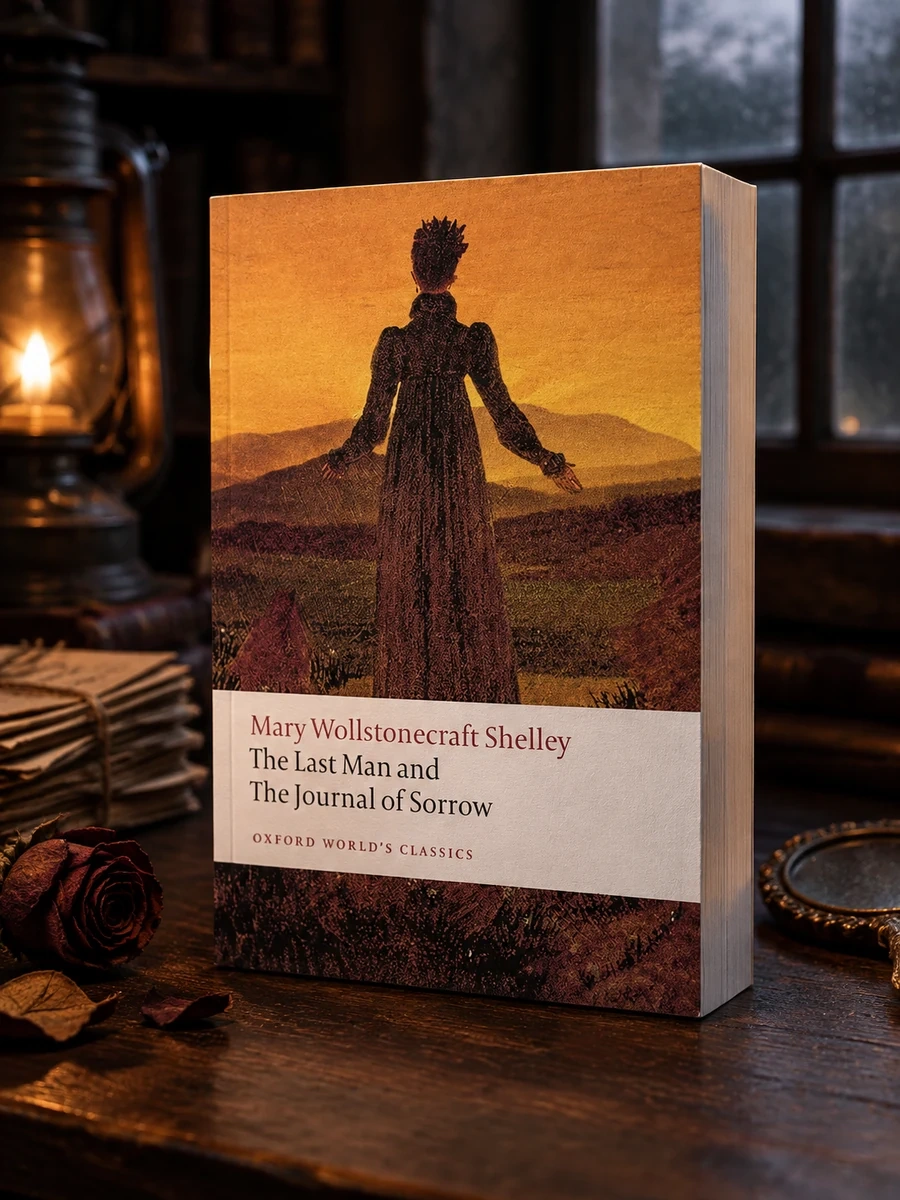
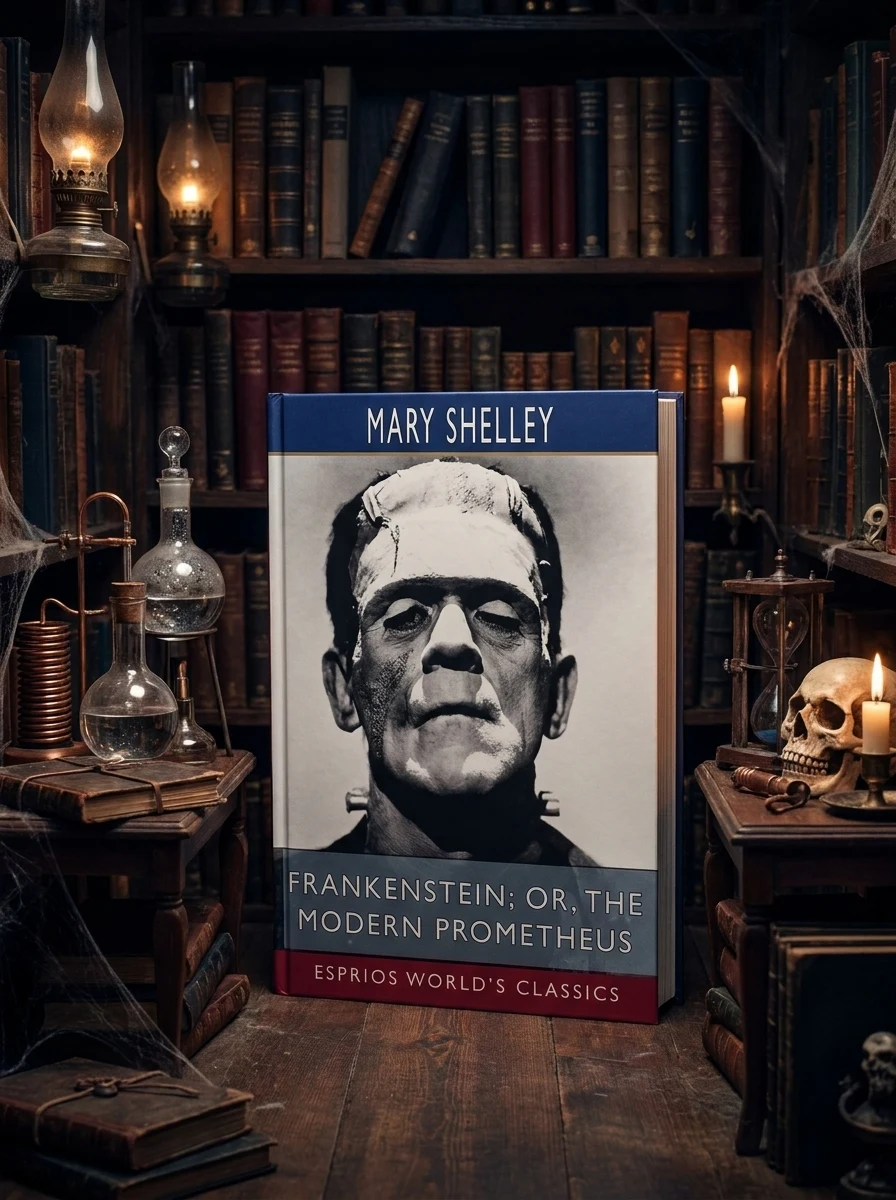
🏛 Books from this publisher Digireads.com
You might also like
See more →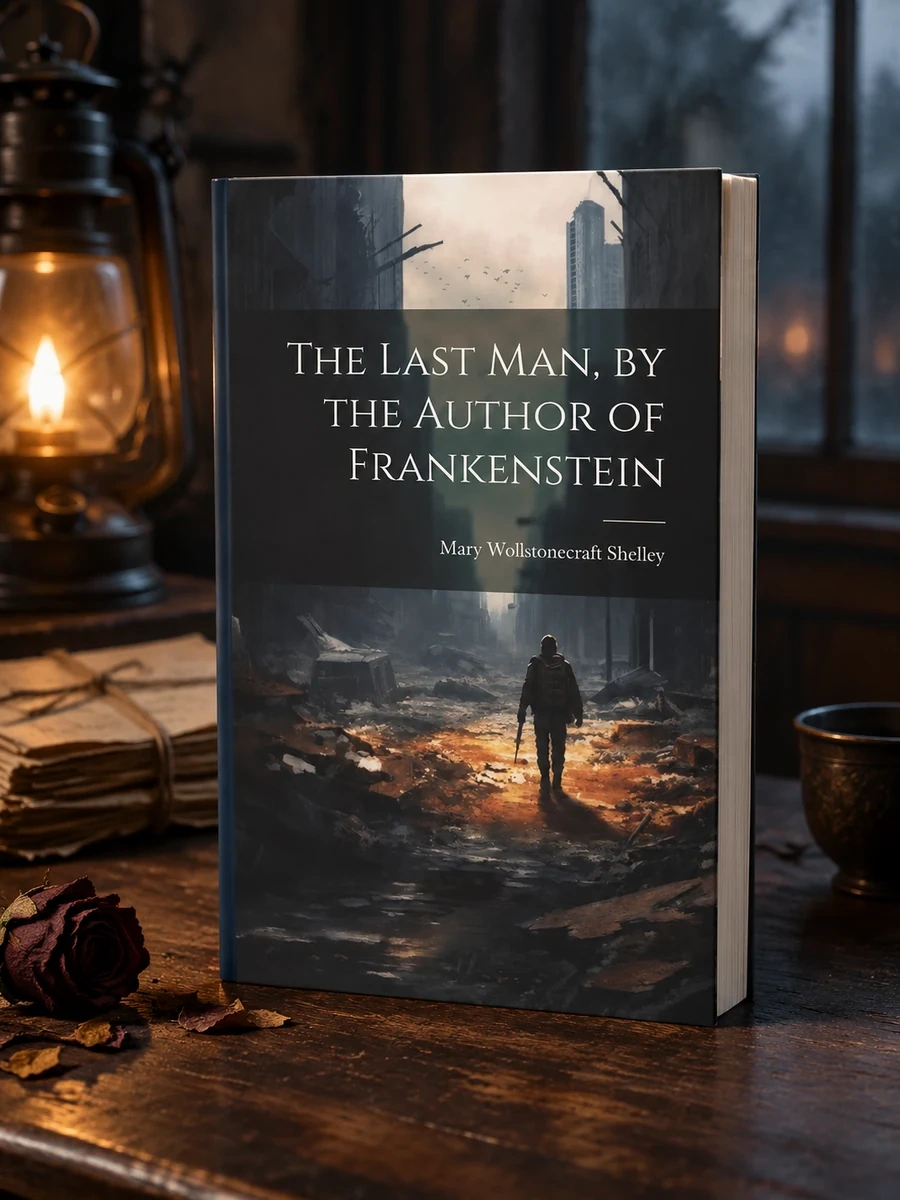



Have a question about this item?
Ask about the edition, condition, delivery or anything else — we reply by email or phone, usually within a day.
