The Last Currency Was Blood
A dystopian novel where blood replaces money as the ultimate economic standard.
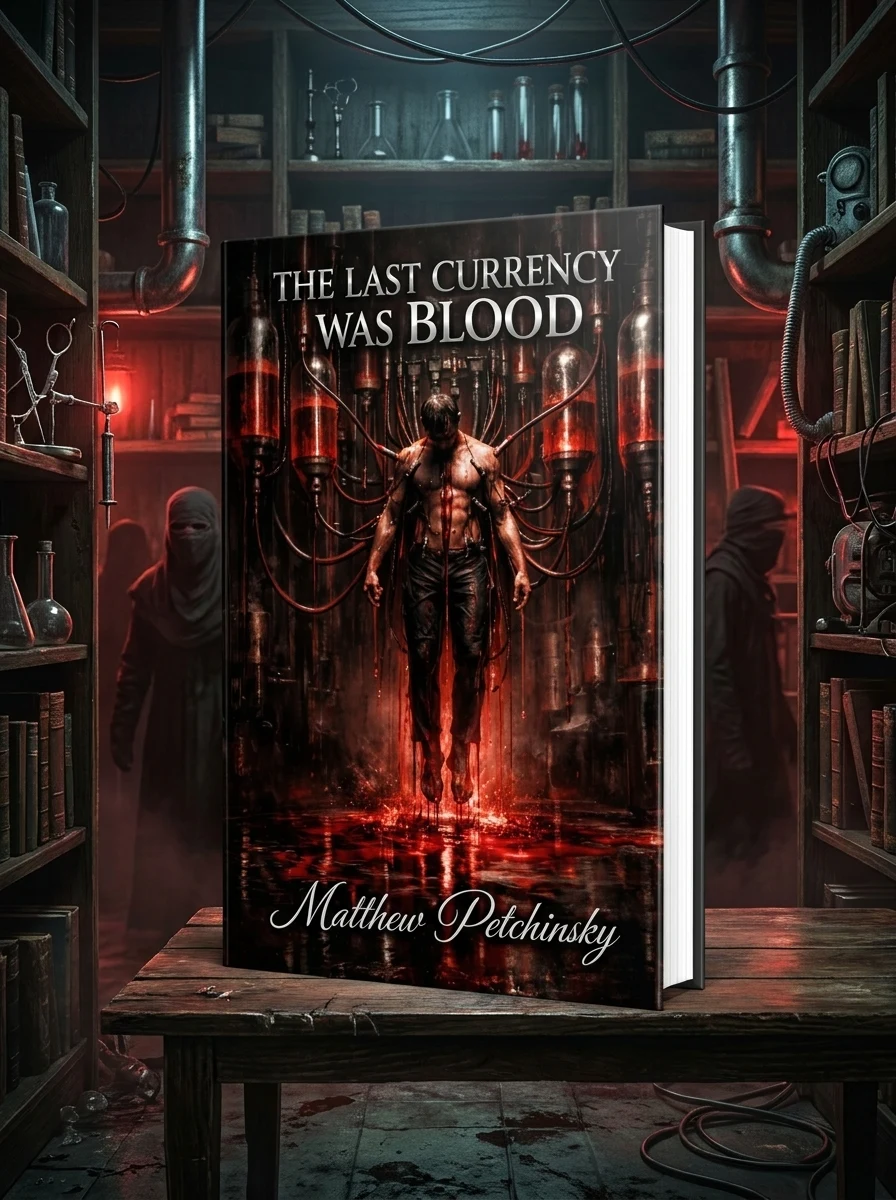
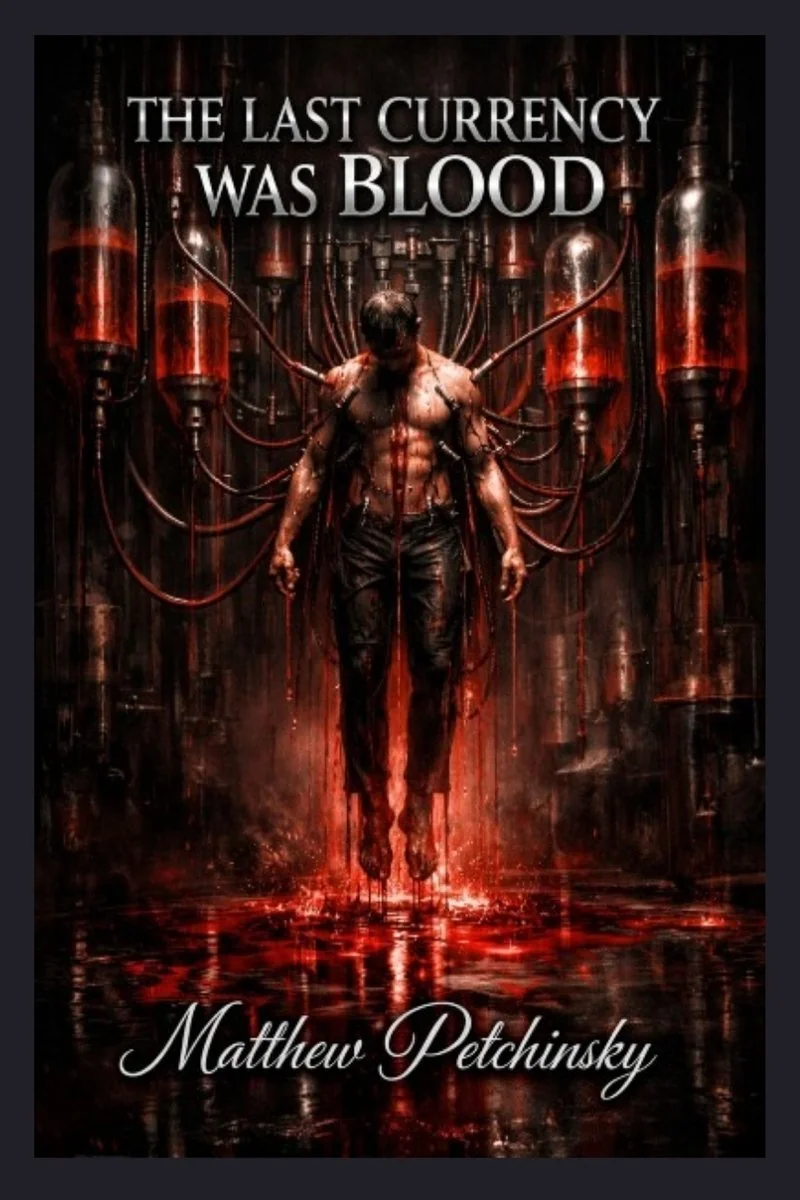
Elias Vane enters a world where bones hold no value and currency has failed. His rare blood type makes him a target for industrial harvesting. He is pulled into a system that values the rare while draining the poor. The story examines how communities survive in ruins when life itself is the only measure of worth. Elias must decide what parts of himself are worth saving as he faces constant extraction. The narrative focuses on the psychological toll of being treated as a resource rather than a person. It explores the horror of being kept alive just enough to be used again and again.
The text describes a future setting where the global economy has collapsed, leading to a new social order based on biological extraction. This narrative reflects contemporary anxieties about economic instability and bodily autonomy in a post-collapse world.


📝 Description: The Last Currency Was Blood
💎 Our verdict on The Last Currency Was Blood
📖 Why choose it
Why this book is worth reading
Readers who appreciate visceral body horror and psychological dread will find this narrative compelling. It offers a stark examination of systemic exploitation, where the erosion of human dignity under economic pressure is rendered through biological metaphors. Those interested in dark fantasy and true crime adjacent themes may also engage with its exploration of survival in ruined communities. However, it demands tolerance for bleakness and a rejection of optimistic resolutions, serving best those who seek to confront the horror of being reduced to a resource rather than a person.
⭐ Reader reviews
Reader rating
Petchinsky delivers a grim dystopian tale where blood replaces currency, creating a chilling atmosphere of industrial harvesting. The narrative excels in portraying the psychological toll of survival when life itself is the measure of worth. Elias Vane’s journey highlights the horror of constant extraction and the loss of selfhood. While the tone is relentlessly bleak, this suits readers who prefer unflinching examinations of human fragility. It avoids traditional adventure tropes, focusing instead on the visceral reality of being treated as a commodity. The work effectively merges gothic horror with economic critique, offering a disturbing yet thought-provoking experience for those willing to endure its heavy emotional weight.