
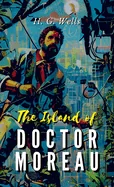
The Island of Doctor Moreau
A shipwrecked man discovers a scientist's horrifying vivisection experiments on an uncharted island.
Edward Prendick survives a shipwreck and lands on an isolated, uncharted island. There he meets Dr. Moreau, who has abandoned society to pursue controversial scientific goals. Moreau performs vivisection to create monstrous inhabitants that blur the distinction between humans and animals. Prendick must witness these atrocities and grapple with the ethical implications of such unchecked ambition. The narrative forces a confrontation with the nature of humanity itself. Wells uses this setting to critique the dangers of scientific experimentation without moral boundaries. The story remains a disturbing allegory about human depravity and the limits of progress.
Published in 1896, this work stands as a pioneer of science fiction. H.G. Wells combines horror and suspense to create a timeless allegory. The text examines the consequences of scientific progress and human nature. It remains relevant today for its critique of ethical limits in experimentation.


📝 Description: The Island of Doctor Moreau
💎 Our verdict on The Island of Doctor Moreau
📖 Why choose it
Why this book is worth reading
This book is essential for readers who enjoy gothic fiction, supernatural themes, and classic literature that examines the darkest corners of human behavior. It appeals to those interested in cosmic and psychological horror, offering a grim reflection on humanity rather than a thrilling escape. Individuals seeking lighthearted entertainment or simple adventure stories may find the moral weight of the text difficult to bear. However, for those willing to engage with its disturbing allegory about human depravity, it provides a profound confrontation with the nature of humanity itself and the depths of depravity that emerge when morality is discarded.
⭐ Reader reviews
Reader rating
Wells masterfully combines horror and suspense to explore the consequences of unchecked ambition in this haunting tale. The narrative raises unsettling questions about human nature through the lens of vivisection and ethical limits. It suits readers who appreciate a grim reflection on humanity and are not afraid of moral weight. Those seeking simple adventure may struggle, but fans of classic horror will find the critique of scientific overreach deeply engaging. The story forces a confrontation with the thin line between man and beast, making it a significant work for understanding the limits of progress.
📖 Read on the blog
✍️ More books by this author H G Wells







🏛 Books from this publisher Mjp Publishers



You might also like
See more →

Have a question about this item?
Ask about the edition, condition, delivery or anything else — we reply by email or phone, usually within a day.
