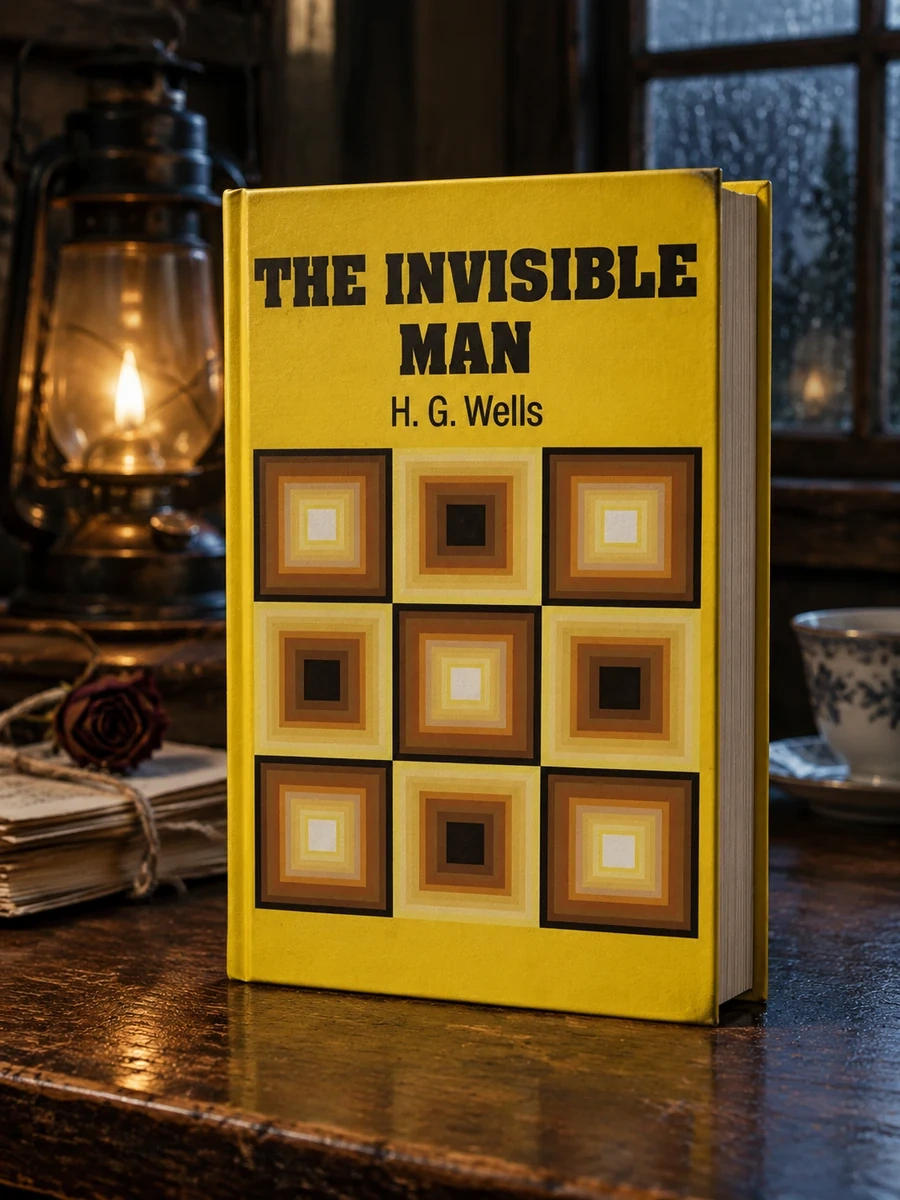

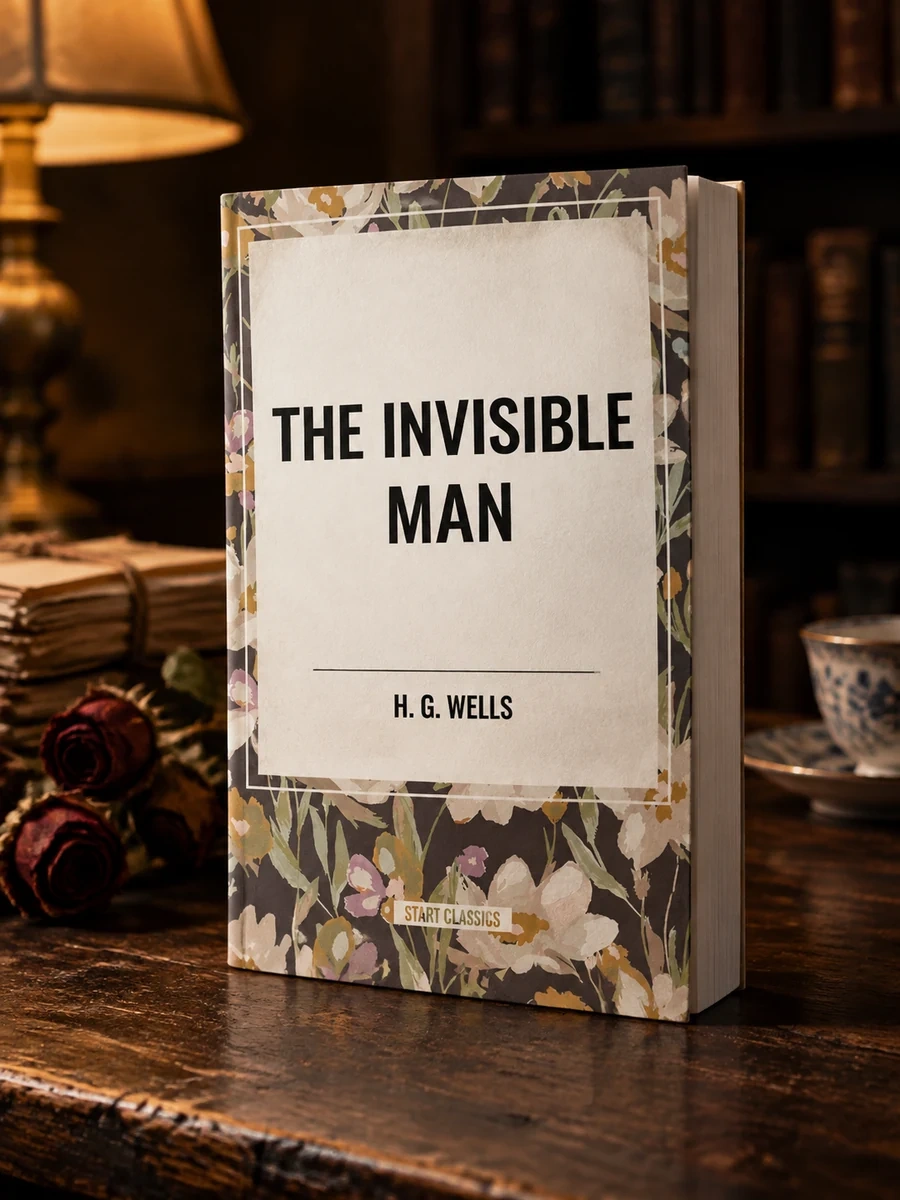
The Invisible Man
A scientist's invisibility leads to isolation and terror in this classic gothic tale.
This edition features H.G. Wells' exploration of a man who loses his visibility through chemical means. Griffin’s arrival at an Iping inn disrupts the quiet community. His behavior is unfriendly and demanding. He isolates himself with scientific tools, creating an atmosphere of suspicion among locals. The plot tracks his increasing instability and the consequences of his secret work. Wells uses the setting of West Sussex to enhance the sense of entrapment. The narrative does not offer easy resolutions for its protagonist.
This text originates from the late nineteenth century, a period marked by rapid scientific advancement and growing public anxiety about technology's impact on humanity. It sits within the tradition of gothic horror, utilizing the English village setting to create claustrophobia. The 2018 Simon & Brown edition preserves this historical context for modern readers.


📝 Description: The Invisible Man
💎 Our verdict on The Invisible Man
📖 Why choose it
Why this book is worth reading
Readers who appreciate the slow, creeping build of dread and the psychological deconstruction of power will find this narrative deeply engaging. It offers a compelling study of isolation, demonstrating how scientific ambition can curdle into madness when severed from human connection. Those interested in early science fiction that prioritizes character psychology over technological wonder will gain insight into the corrupting influence of invisibility. The book suits audiences who enjoy grounded settings, such as English village life, used to enhance a sense of entrapment and suspicion. It is ideal for those seeking a classic tale where the horror arises from the protagonist's own unraveling rather than external monsters.
⭐ Reader reviews
Reader rating
Wells crafts a chilling narrative that effectively merges scientific speculation with gothic horror elements. The portrayal of Griffin’s descent into instability is handled with precision, using the confined setting of Iping to amplify feelings of entrapment and paranoia. The text excels in depicting the physical and psychological constraints placed upon the protagonist, making his isolation palpable for the reader. This approach creates a tense atmosphere where suspicion grows naturally among the locals. It is best suited for readers who prefer literary depth and character studies over action-heavy plots. Those seeking lighthearted adventure may find the tone too heavy, but enthusiasts of psychological thrillers and classic horror will appreciate its enduring relevance and masterful exploration of scientific hubris.
📖 Read on the blog
✍️ More books by this author H G Wells




🏛 Books from this publisher Simon & Brown





You might also like
See more →

Have a question about this item?
Ask about the edition, condition, delivery or anything else — we reply by email or phone, usually within a day.
