The Island of Doctor Moreau
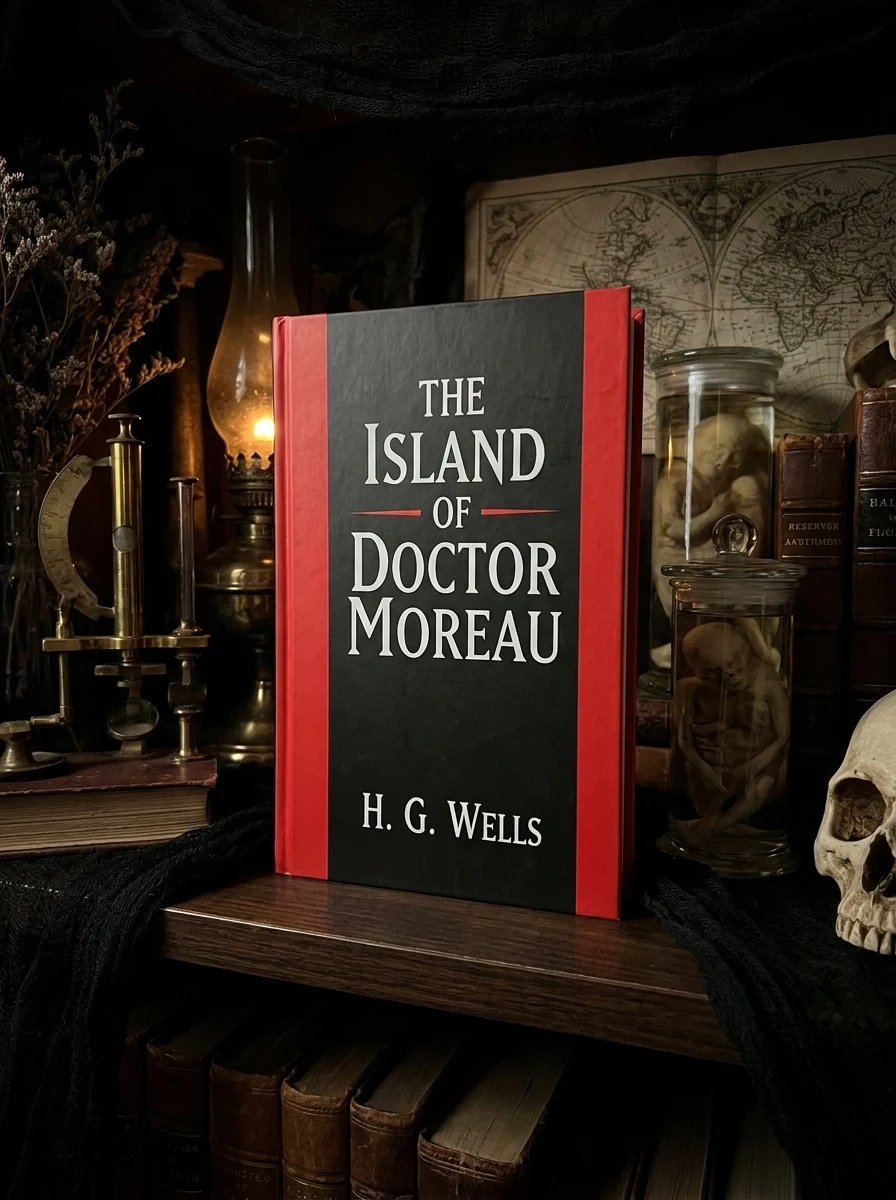
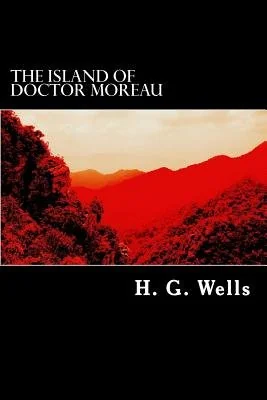
Alex Struik publishes H. G. Wells's 1896 novel about a shipwrecked man on an island of human-animal hybrids.
This volume contains the full text of Wells's classic tale. Edward Prendick survives a maritime disaster and is taken to Doctor Moreau's private island. There he witnesses the creation of beast-men through surgical alteration. The story explores the boundary between animal instinct and civilized morality. It questions whether humans can truly escape their biological nature. The narrative serves as a critique of unchecked scientific ambition. Wells uses the setting to discuss broader social and ethical issues. The edition provides the original prose without modernization. It is suitable for students of literature and fans of gothic horror. The text stands as a key example of late Victorian science fiction.
H. G. Wells wrote this work in 1896, establishing his legacy alongside Jules Verne as a father of science fiction. The novel reflects late Victorian concerns about evolution and ethics. It remains a cornerstone of the genre for its philosophical depth.


📝 Description: The Island of Doctor Moreau
💎 Our verdict on The Island of Doctor Moreau
📖 Why choose it
Why this book is worth reading
Readers interested in early speculative fiction and philosophical debates about ethics will find this text rewarding. It offers access to a classic tale without modern alterations, preserving the original prose style. The narrative explores the boundary between animal instinct and civilized morality through a first-person perspective. This viewpoint allows the audience to experience the protagonist's growing horror and confusion directly. Those who appreciate critiques of unchecked scientific ambition and questions about human identity will gain significant insight. While the pacing may be slow for those seeking fast-paced action, the work remains essential for understanding literary history and Victorian social issues.
⭐ Reader reviews
Reader rating
This volume successfully captures the grotesque reality of surgical alteration and the ensuing moral crisis. Wells uses the island setting to discuss broader ethical issues with precision. The first-person narration effectively conveys the protagonist's psychological deterioration. It is best suited for students of literature and fans of gothic horror who value atmospheric dread over immediate thrills. The edition provides the original text, maintaining its historical integrity. Readers seeking contemporary settings or rapid plot development may find it slow. However, those willing to engage with philosophical debates about human nature will find the experience profound. It remains a key example of late Victorian speculative fiction that challenges the reader to confront uncomfortable truths.