


The Invisible Man
A scientist's invisibility leads to madness and violence in this classic tale.
Wells explores the consequences of unchecked scientific ambition through a protagonist who loses his humanity along with his visibility. The story tracks his descent from discovery to destruction, highlighting how isolation breeds cruelty. It is not a celebration of innovation but a warning about its potential for harm. The narrative structure follows the character's gradual unraveling in a new environment where he is both unseen and unknown. This approach allows Wells to critique the social contracts that keep civilization intact. Readers interested in the psychological impacts of power will find this work compelling. It challenges the notion that invisibility brings freedom, showing instead how it strips away responsibility.
Published in 1897, this novel reflects late Victorian anxieties about scientific advancement and its potential to disrupt social order. It sits within the tradition of gothic fiction while addressing contemporary fears about technology's impact on humanity.


📝 Description: The Invisible Man
💎 Our verdict on The Invisible Man
📖 Why choose it
Why this book is worth reading
Readers interested in the psychological impacts of power and the intersection of science and morality will find this work compelling. It suits those who appreciate classic literature that questions the cost of progress, particularly within gothic fiction and supernatural themes. The book appeals to individuals eager to analyze how radical disconnection from society affects the human psyche when one loses physical presence and social accountability. Those seeking lighthearted entertainment or modern fast-paced thrillers may find the tone too deliberate, but this text offers a stark look at isolation without easy resolutions, making it ideal for readers who enjoy complex character studies over straightforward plots.
⭐ Reader reviews
Reader rating
Wells presents a narrative that merges comedic elements with tragic consequences, serving as a warning about unchecked scientific ambition. The text examines how radical disconnection from society affects the human psyche when one loses their physical presence and social accountability. It dramatizes humanity's greatest possibilities alongside its deepest fears through this prescient story. The work stands as a parable regarding the darker aspects of scientific advancement. Readers interested in gothic fiction and supernatural themes who appreciate classic literature that questions the cost of progress will find this compelling. It challenges the notion that invisibility brings freedom, showing instead how it strips away responsibility and leads to mental decline.
📖 Read on the blog
✍️ More books by this author H G Wells




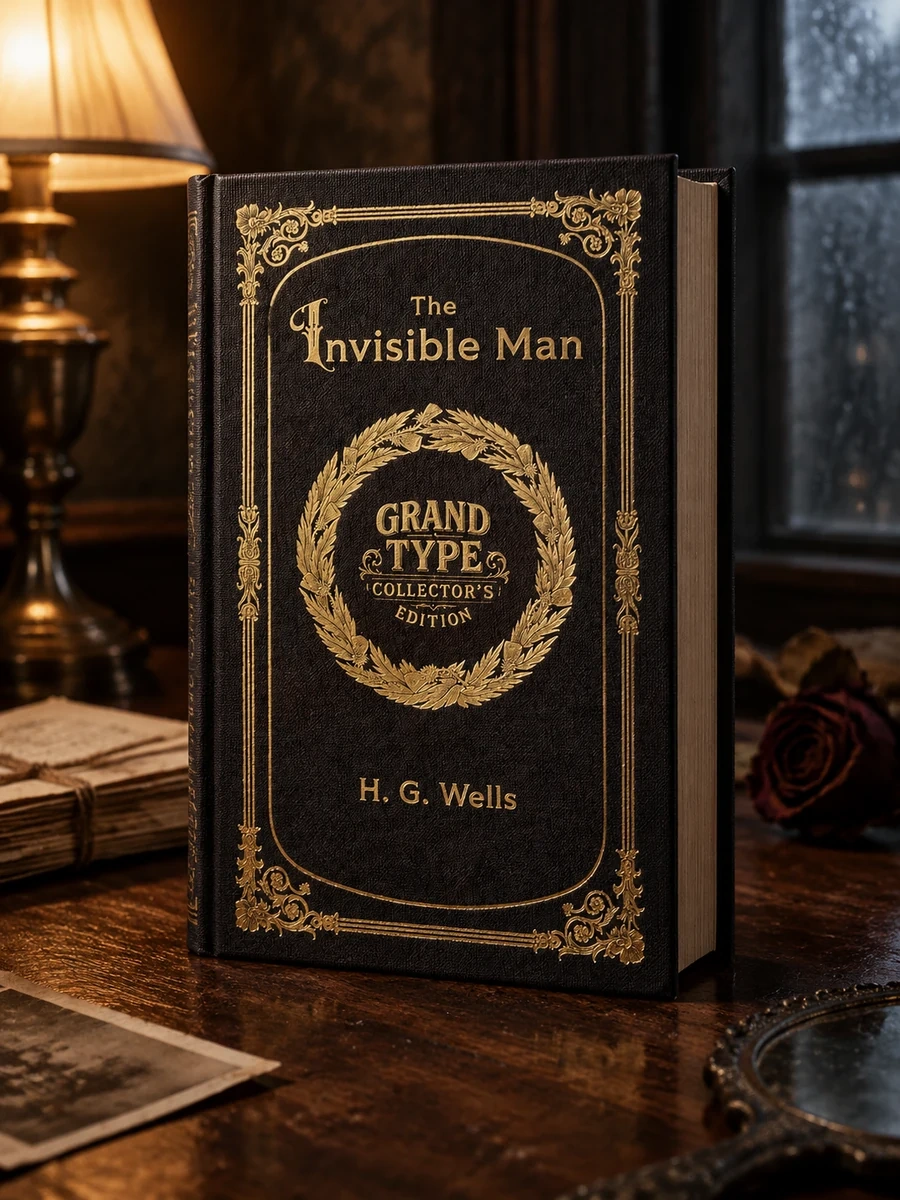



🏛 Books from this publisher Vintage






You might also like
See more →



Have a question about this item?
Ask about the edition, condition, delivery or anything else — we reply by email or phone, usually within a day.
