The Illusionist's Curse
A magician trapped in a mirror and his sister's quest to free him from an ancient curse.
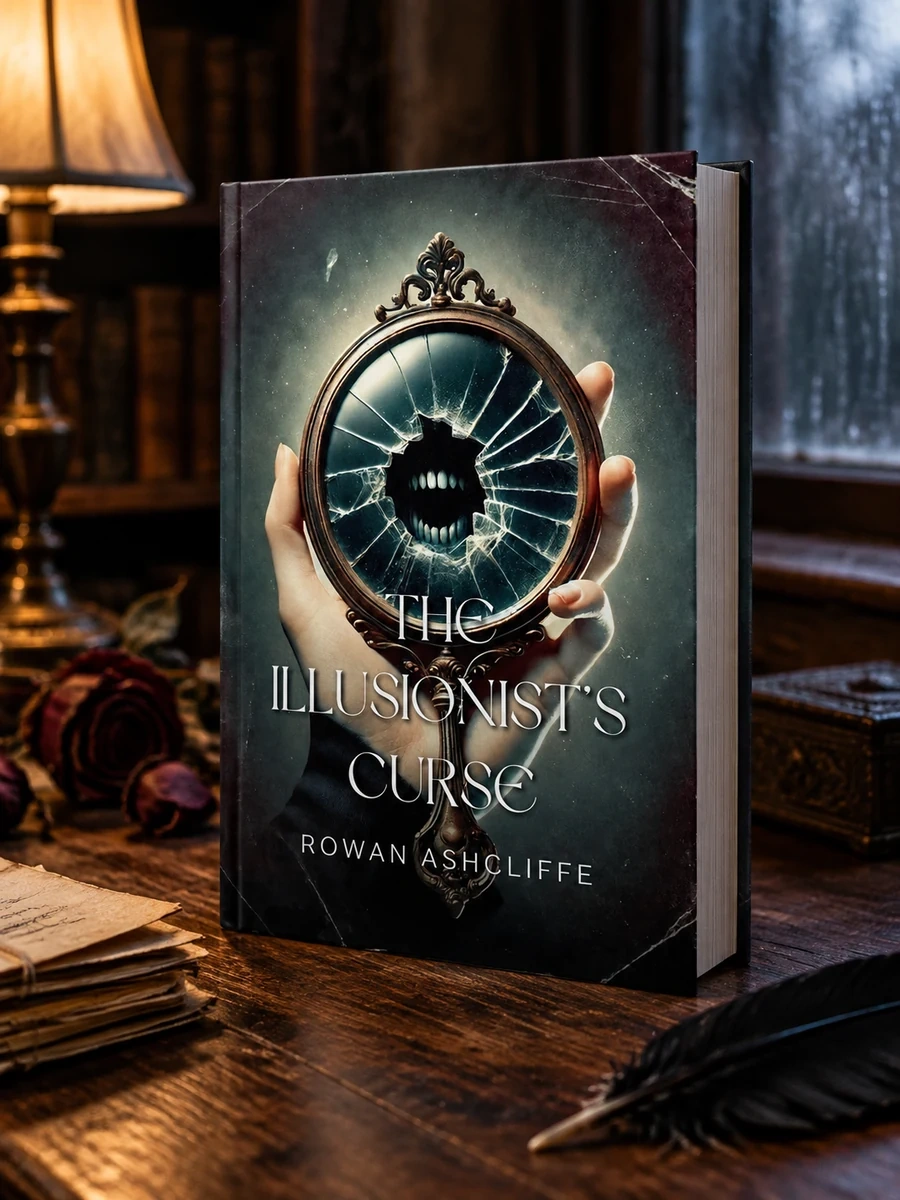
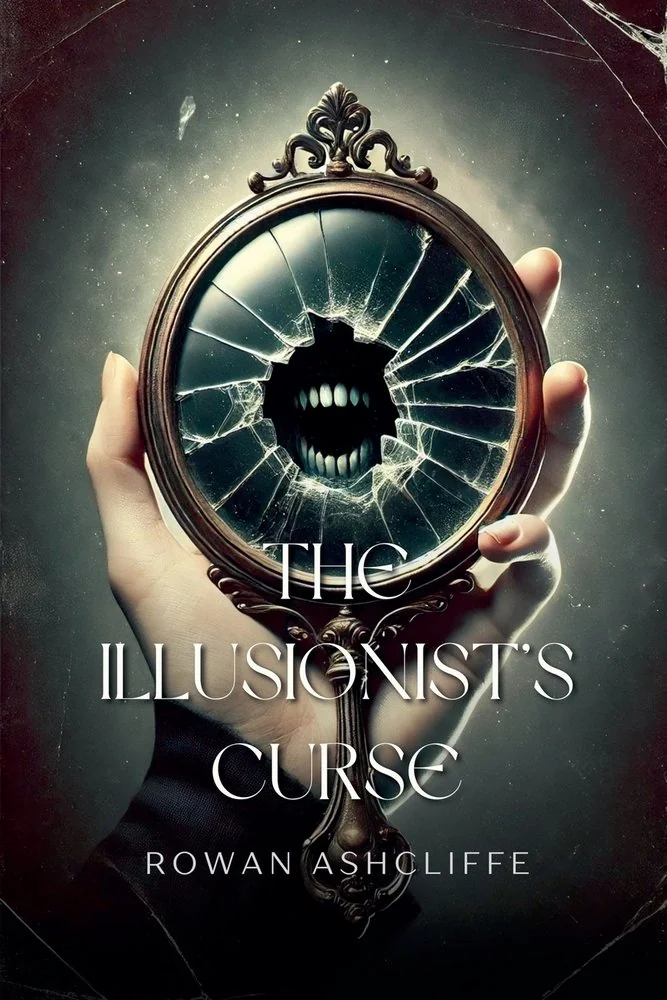
Ashcliffe constructs a narrative where magic is a dangerous gift rather than entertainment. Vittorio Ferrante’s predicament highlights the cost of supernatural power. Alessia Moretti’s investigation reveals how past curses influence present dangers. The story examines the fear of losing one’s identity to external forces. It uses the motif of mirrors to explore themes of self-perception and hidden truths. The connection between Luca’s disappearance and Vittorio’s entrapment drives the plot forward. The setting of Rome provides a backdrop of historical weight for these modern supernatural events.
The story is set in Rome, utilizing the city's historic atmosphere and the specific location of the Teatro Maledetto. It draws on gothic fiction traditions involving performers and supernatural curses, grounding the horror in the urban landscape of Italy.


📝 Description: The Illusionist's Curse
💎 Our verdict on The Illusionist's Curse
📖 Why choose it
Why this book is worth reading
Readers seeking atmospheric horror with a focus on psychological dread will find this narrative deeply engaging. The book appeals to those interested in stories about performers bound by dark pacts and the fear of losing identity to external forces. It offers a slow-burn mystery that examines the interplay between sight and deception, making it ideal for audiences who prefer intellectual tension over explicit gore. Those fascinated by urban legends and the boundary between illusion and reality will appreciate the exploration of hidden truths through the motif of mirrors. It is best suited for readers who enjoy gothic traditions and historical backdrops rather than fast-paced action or scientific explanations.
⭐ Reader reviews
Reader rating
Ashcliffe constructs a compelling narrative where magic is portrayed as a dangerous gift rather than mere entertainment. The story effectively uses the motif of mirrors to explore themes of self-perception and hidden truths, creating psychological tension through reflections that wish to escape into the living world. By grounding supernatural elements in specific locations like Rome’s streets and the Teatro Maledetto, the author adds historical weight to the modern events. The text relies on the interplay between sight and deception rather than explicit gore, appealing to fans of atmospheric horror. It suits readers who enjoy psychological dread and urban legends, though those seeking fast-paced action may find the slow-burn mystery less engaging.