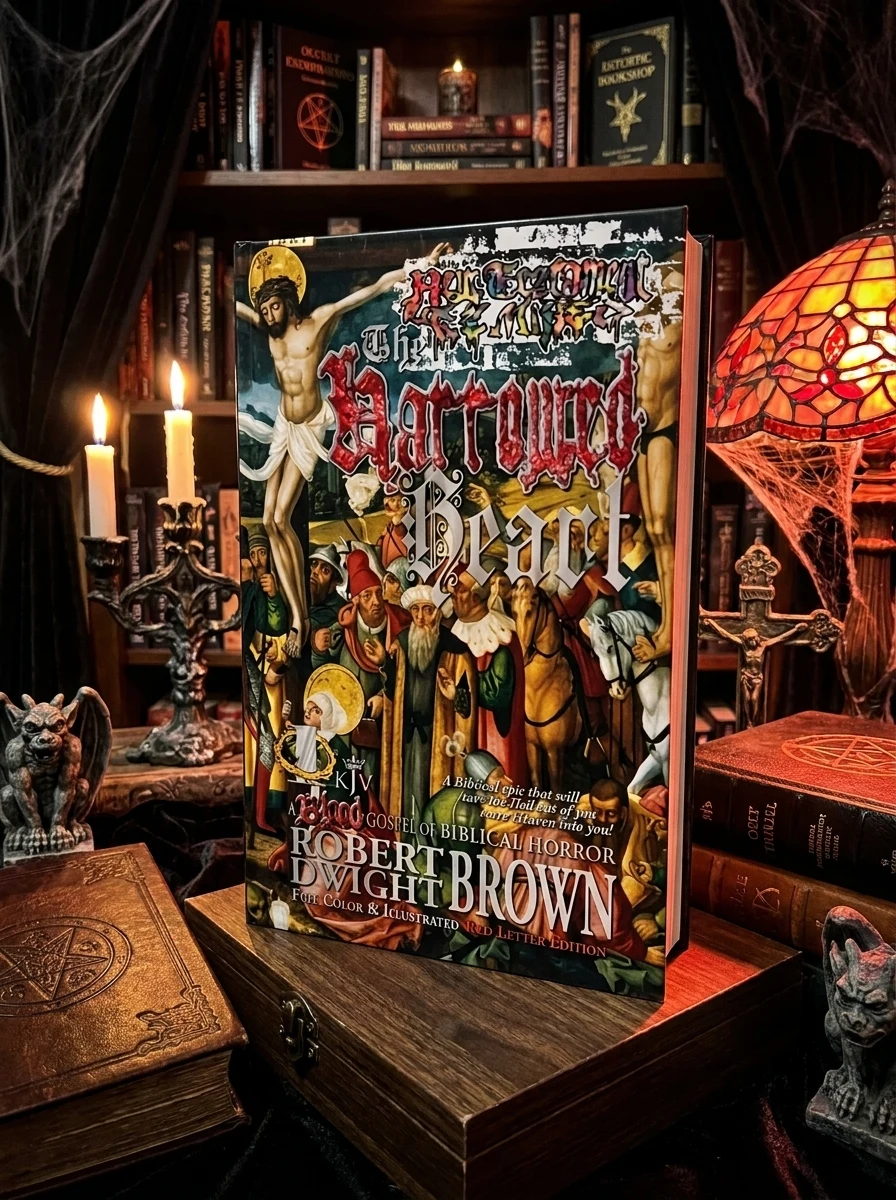
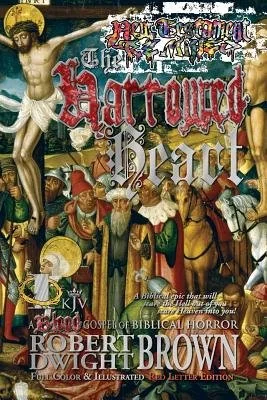
The Harrowed Heart
A horror novel designed to bring readers closer to Jesus Christ through terror.
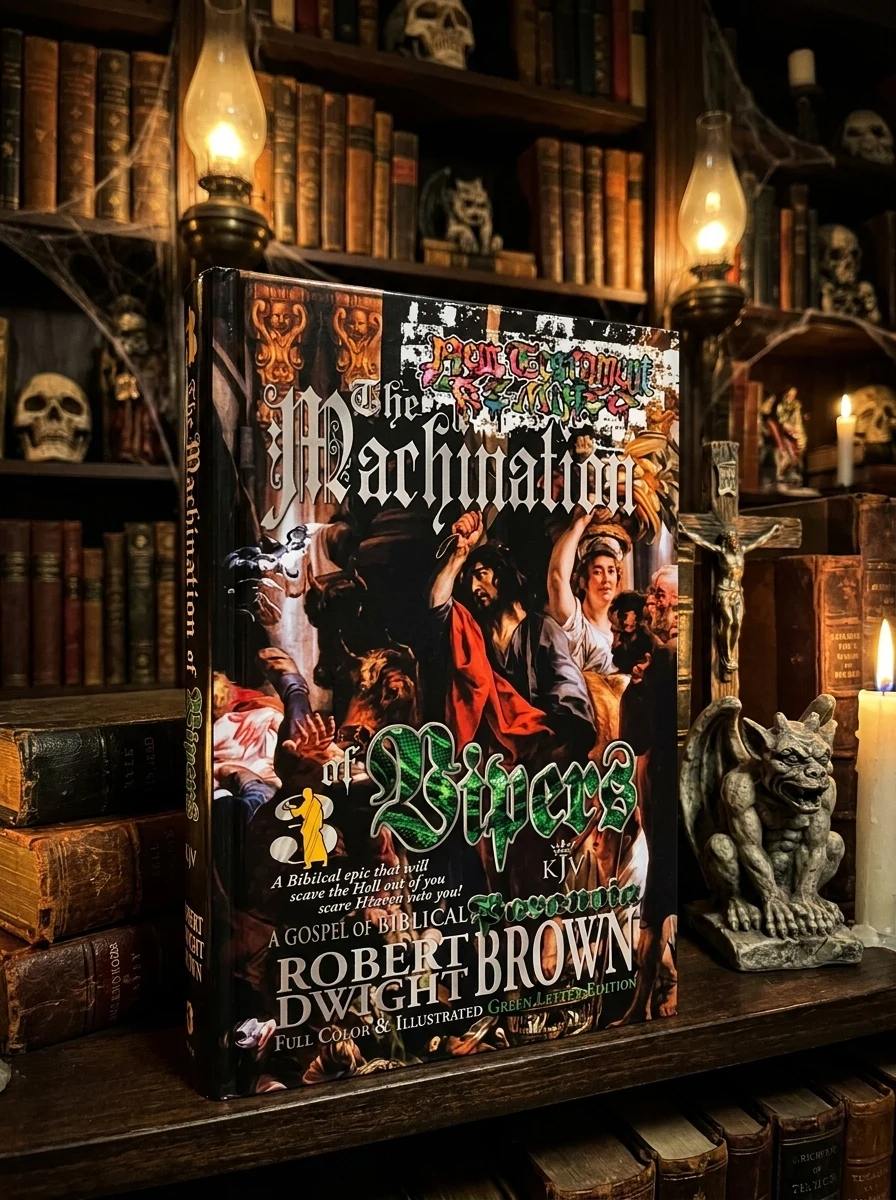
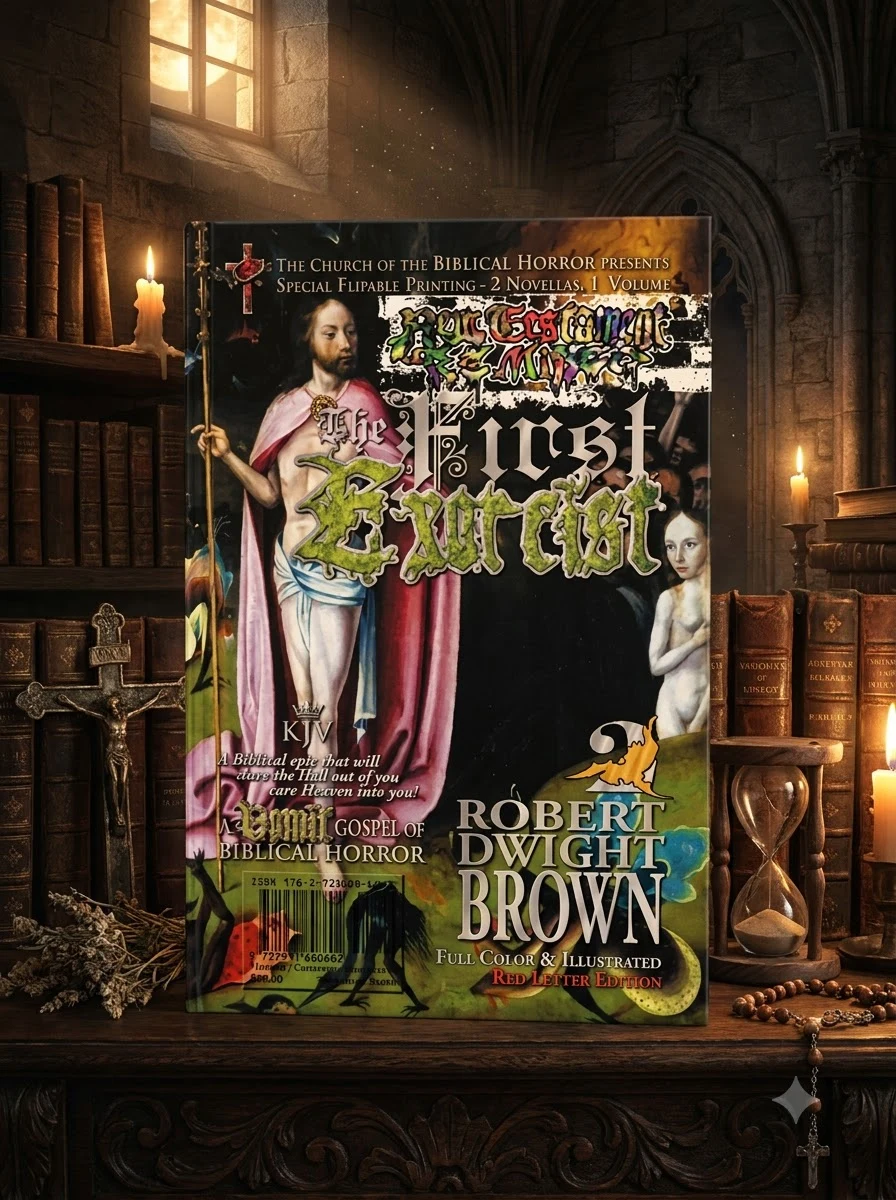
Robert Dwight Brown writes The Harrowed Heart to function as both a horror story and a spiritual guide. The text aims to inspire readers while subjecting them to shock, gore, and mystery. By combining these opposing elements, the author creates a transcendent experience that challenges traditional boundaries between sacred texts and frightening fiction. The work does not merely entertain; it seeks to deepen the reader's connection to Jesus Christ through the medium of fear. This dual purpose defines the book's structure and tone, making it a singular offering in the genre.
Published by Allonymous Books in 2019, this work sits at the intersection of supernatural fiction and Christian theology. It draws on the tradition of using terror to explore faith, referencing artistic and literary precedents like Hieronymus Bosch and Stephen King to frame its controversial approach.


📝 Description: The Harrowed Heart
💎 Our verdict on The Harrowed Heart
📖 Why choose it
Why this book is worth reading
Readers seeking a visceral, transcendent experience rather than mere entertainment will find value in this unique volume. It is designed for those open to supernatural fiction that engages directly with Christian theology and seeks inspiration alongside fear. The book appeals to individuals willing to confront their faith through intense, unsettling imagery and shock value. By utilizing gore and mystery not as ends but as tools for spiritual deepening, it offers a singular opportunity to explore the boundaries of sacred texts. Those who view horror as a medium for divine connection will appreciate its bold, heretical approach to devotion.
⭐ Reader reviews
Reader rating
Brown succeeds in creating a jarring yet purposeful fusion of religious devotion and visceral horror. The text effectively utilizes shock and gore to evoke strong emotional reactions while maintaining a steadfast focus on faith. This dual purpose distinguishes it from secular horror, offering a challenging read for those comfortable with theological exploration through fear. While the blend may feel abrupt to conventional horror fans, it resonates deeply with readers seeking spiritual engagement. The work stands as a distinct entry in religious horror, successfully merging suspense with sacred intent without sacrificing its terrifying power or its ultimate goal of bringing the reader closer to Christ.