
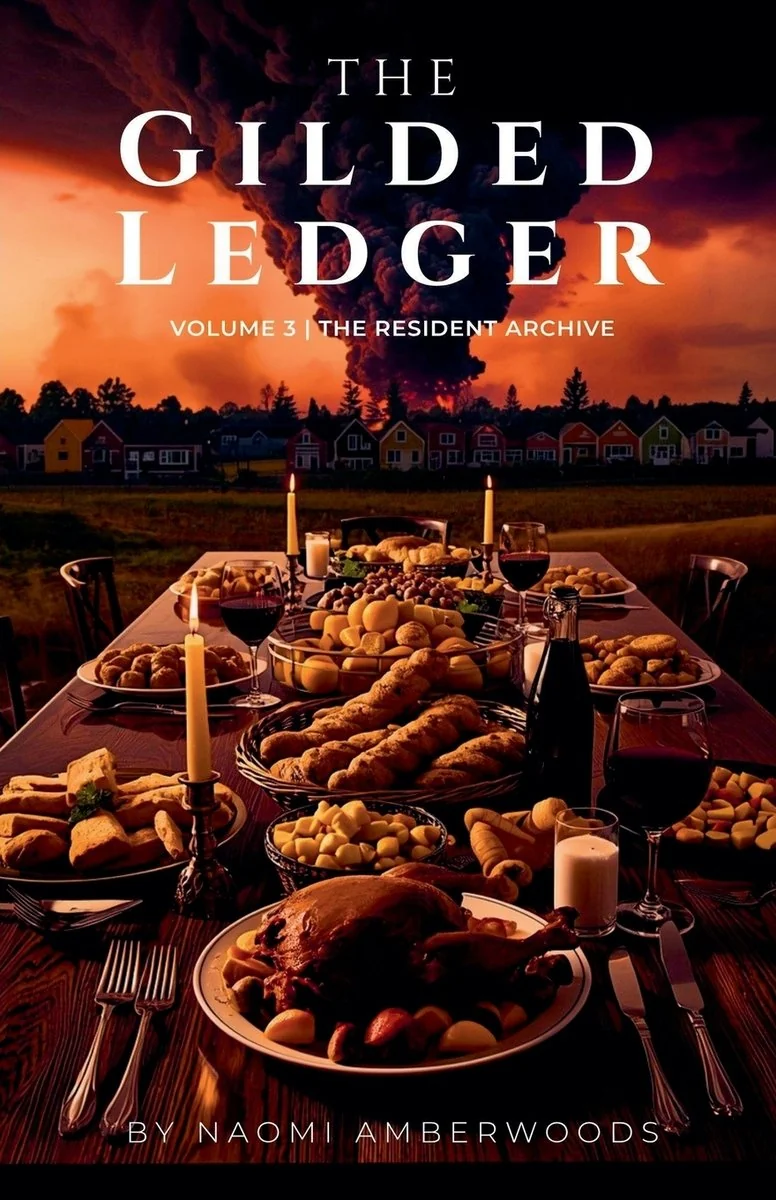
The Gilded Ledger
A simulation becomes a trap in Naomi Amberwoods' third Resident Archive installment.
The narrative centers on Elias and the village of Oakhaven, where the Archive consumes rather than records. The story examines the Anchor Feast, a ritual where nourishment is false and flavor is an echo. As the sky flickers and ink rises, the horizon buckles under rendering pressure. The fire at the edge burns history, signaling the end of the simulation's sanctuary. This third volume in The Resident Archive series forces characters to accept their role as watermarks in a closing trap. The plot moves toward the final entry in the Gilded Ledger, emphasizing the dissolution of memory into data. The tone remains dark and atmospheric, focusing on the visceral costs of existence within this constructed reality. Amberwoods uses these elements to explore themes of identity loss and systemic consumption without offering escape.
This work sits in the tradition of gothic and supernatural fiction, published in 2026. It draws on themes of archival decay and digital consciousness within a curated silence. The narrative reflects contemporary anxieties about data consumption and the erosion of memory through technological rendering.


📝 Description: The Gilded Ledger
💎 Our verdict on The Gilded Ledger
📖 Why choose it
Why this book is worth reading
Readers who appreciate psychological horror and speculative fiction involving digital consciousness will find this narrative compelling. It appeals to those interested in stories where reality is consumed by data systems, offering a dark atmospheric experience that explores identity loss without providing escape. The book suits audiences drawn to gothic fiction traditions and supernatural suspense, particularly those who enjoy narratives focusing on the visceral costs of existence within curated silences. It is ideal for readers seeking ambiguity and systemic collapse rather than traditional adventure plots or clear resolutions.
⭐ Reader reviews
Reader rating
Amberwoods delivers a distinct atmospheric experience by blending literary themes with digital dread, creating a narrative where memory dissolves into data. The book excels in its depiction of Oakhaven’s Anchor Feast, highlighting the visceral horror of false nourishment and echoing flavors. By framing the simulation as a closing trap where characters become watermarks, the author effectively explores systemic consumption and identity erosion. This installment is best suited for readers who enjoy gothic fiction and speculative suspense that prioritize tone and thematic depth over plot resolution. It offers a chilling examination of archival decay, appealing to those who appreciate ambiguous endings and the psychological weight of constructed realities.
📖 Read on the blog
📖 From the series “The Resident Archive”




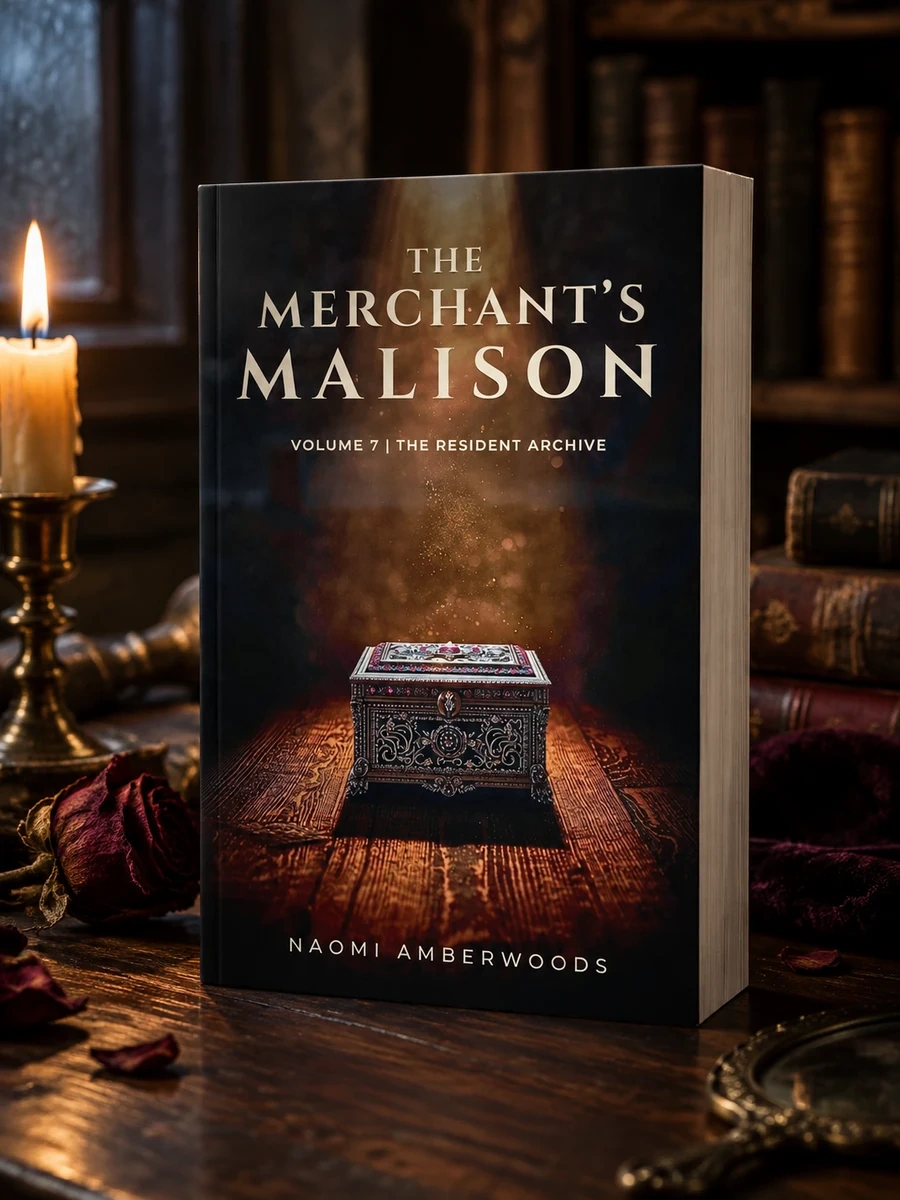
✍️ More books by this author Naomi Amberwoods
🏛 Books from this publisher Naomi Amberwoods
You might also like
See more →



Have a question about this item?
Ask about the edition, condition, delivery or anything else — we reply by email or phone, usually within a day.
