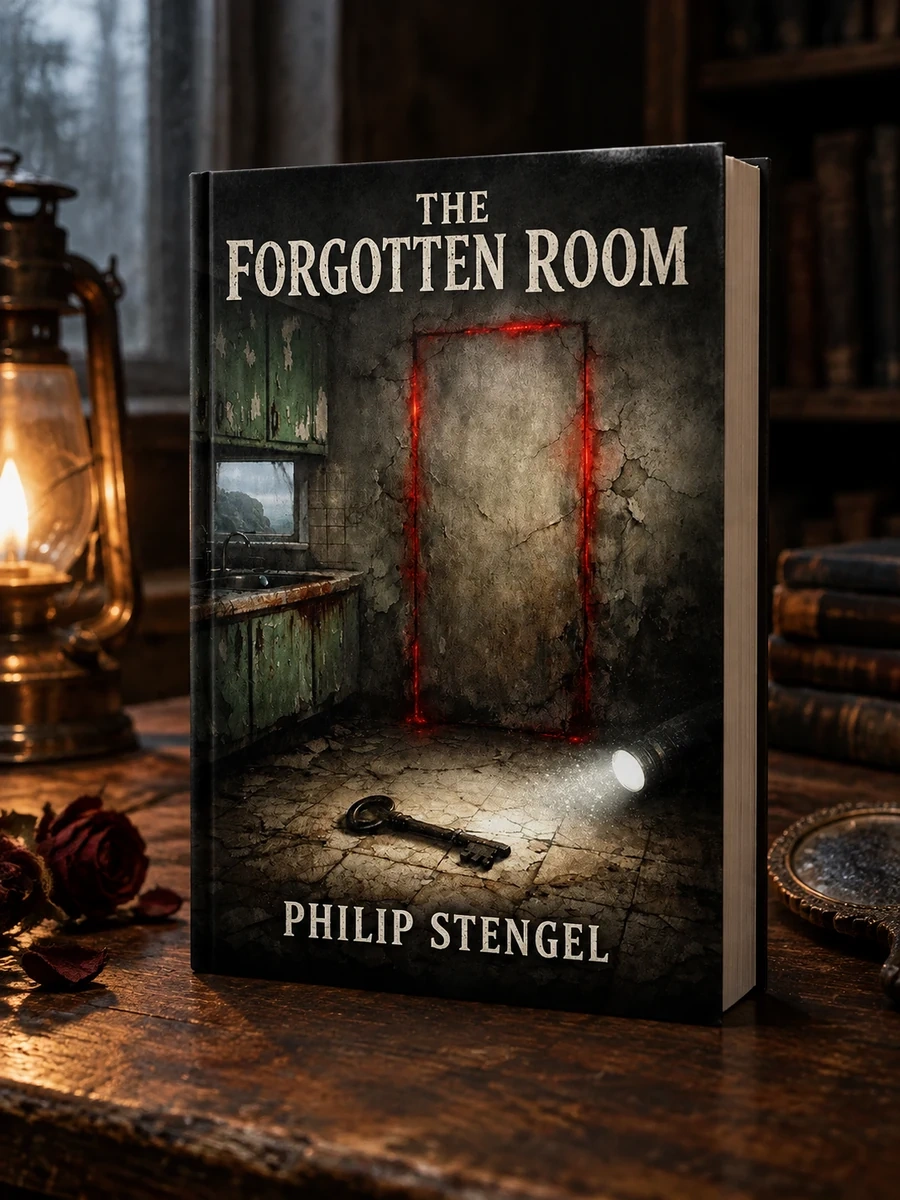
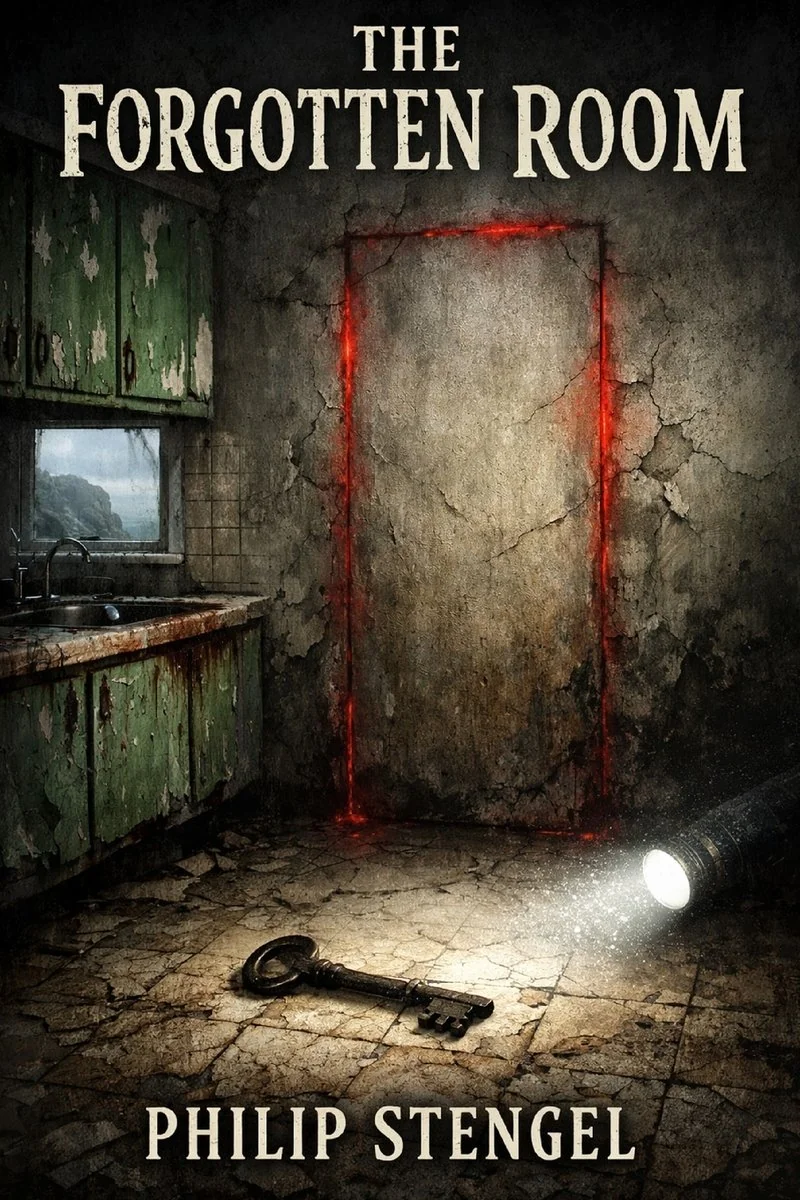
The Forgotten Room
A couple faces predatory memory and a listening house in Hollow Bay.
Stengel explores the intersection of personal loss and supernatural intrusion. Elliot and Mira attempt to renovate their new home but find it rotted and isolated. A hum begins as a pressure rather than a sound. This sensation makes the environment feel hostile and aware. A spiral mark blooms on skin like a signature. The couple seeks help from Dr. Alistair Finch. He offers a framework for understanding these events. His work at the Finch Archive provides necessary context. The narrative focuses on the cost of ignoring these signs. It highlights the danger of mistaking fear for bargaining. The story does not offer easy answers or comfort. It presents a structured approach to surviving an active threat. The house remains a central character throughout the ordeal.
Set in the coastal town of Hollow Bay, this 2025 release by Philip Stengel engages with gothic traditions of haunted houses. It blends psychological horror with supernatural fiction, focusing on how personal wounds broadcast signals to unseen entities.


📝 Description: The Forgotten Room
💎 Our verdict on The Forgotten Room
📖 Why choose it
Why this book is worth reading
Readers who appreciate horror that demands intellectual engagement and emotional resilience will find value in this narrative. It is ideal for those willing to confront the intersection of personal loss and supernatural intrusion without seeking comfort or easy answers. The book appeals to fans of structured, rule-based horror where survival depends on distinguishing fear from bargaining. Those interested in how grief can broadcast signals attracting hostile attention will gain insight into the cost of ignoring such signs. It is not for readers seeking lighthearted escapism but rather for those who want a compelling examination of predatory memory and the danger of mistaking dread for negotiation. The narrative rewards close attention to its specific rules of engagement, offering a brutal truth about surviving active threats in a hostile environment.
⭐ Reader reviews
Reader rating
Stengel constructs a chilling atmosphere where the house itself feels like an active listener rather than a passive setting. The narrative effectively explores how grief can manifest as external threats, creating a sense of pervasive hostility through physical pressure and eerie phenomena like blooming spiral marks. By introducing Dr. Finch’s framework, the story provides a necessary intellectual structure to the supernatural events, grounding the horror in a brutal truth about predatory memory. This approach distinguishes it from mere jump-scare tactics, offering instead a slow-burn psychological dread. The book suits readers who enjoy complex interactions between internal trauma and external danger. It is a compelling choice for those who appreciate horror that examines the cost of ignoring warning signs and the difficulty of surviving in a world that feels aware and hostile.
📖 Read on the blog
✍️ More books by this author Philip Stengel



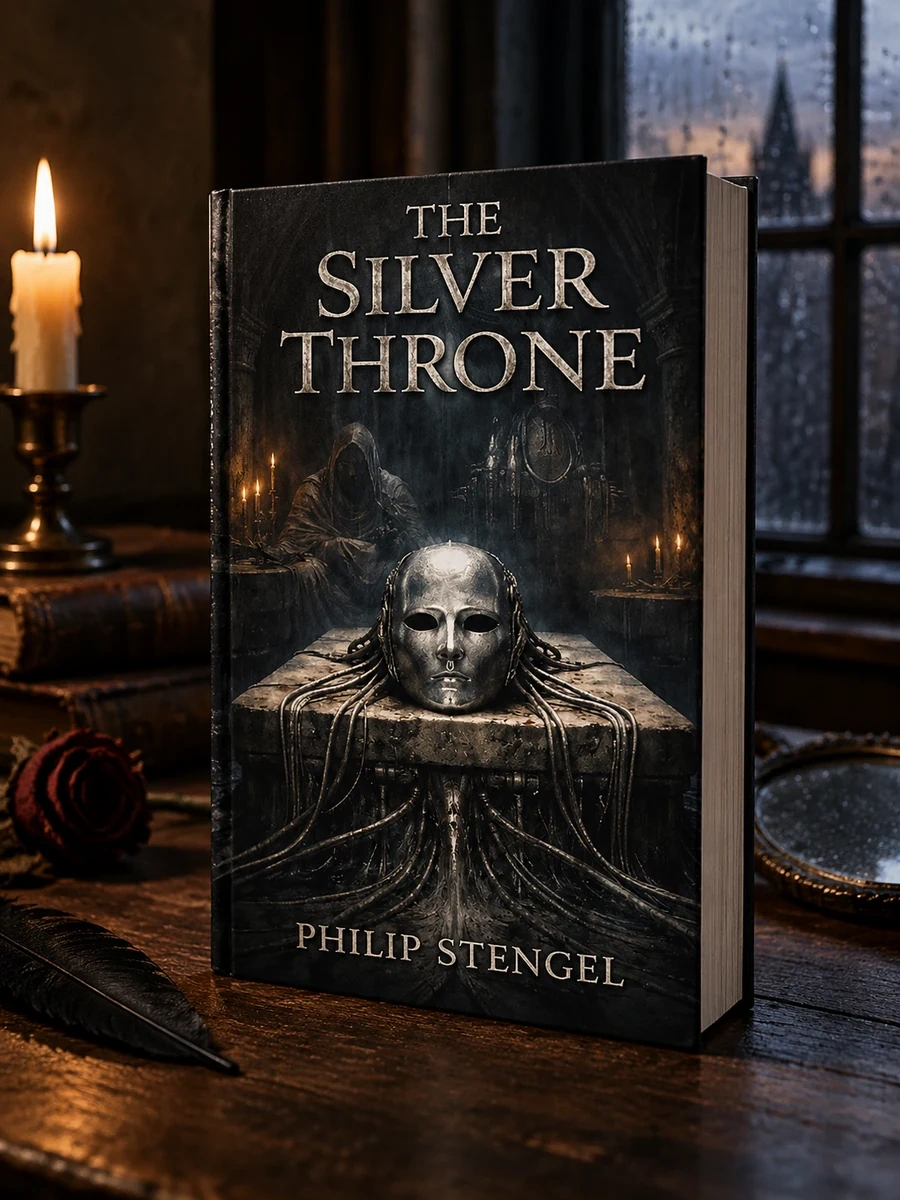
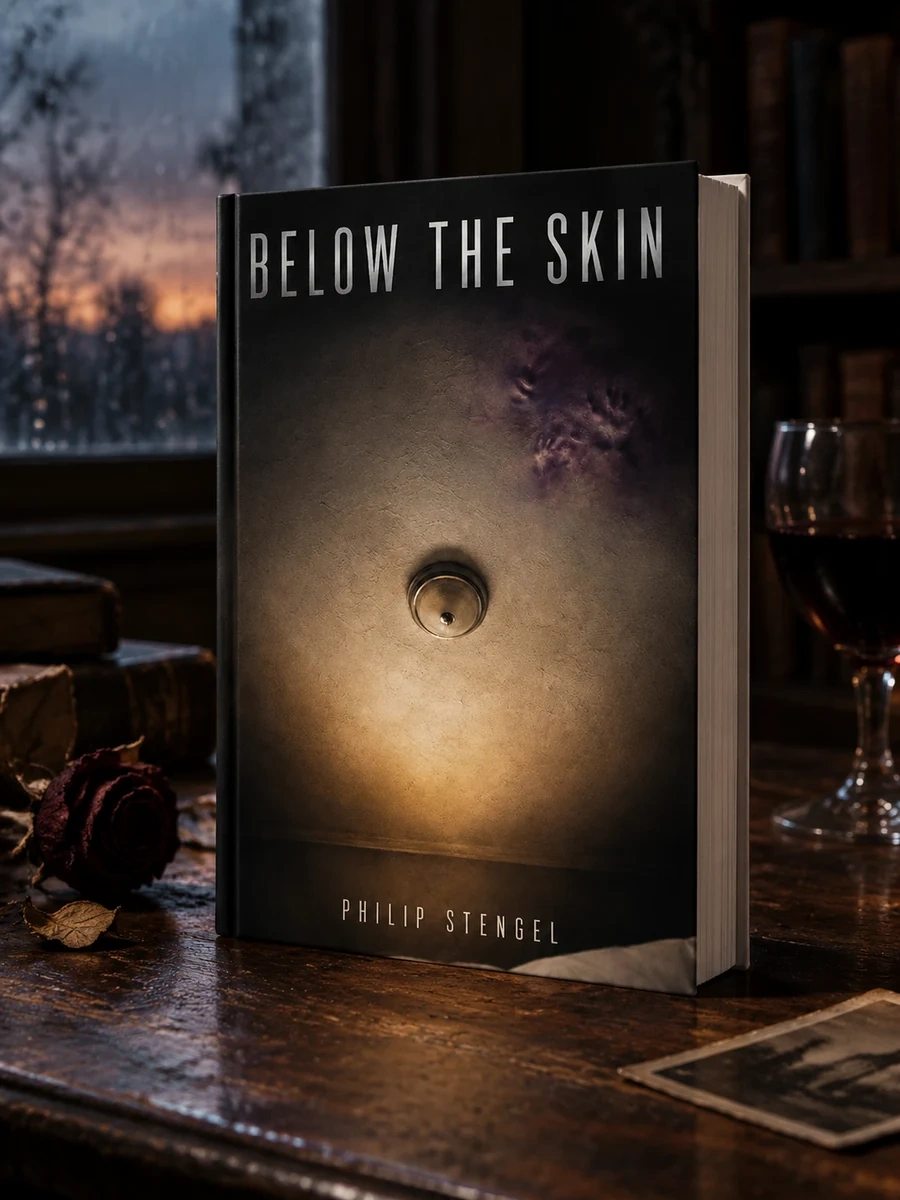
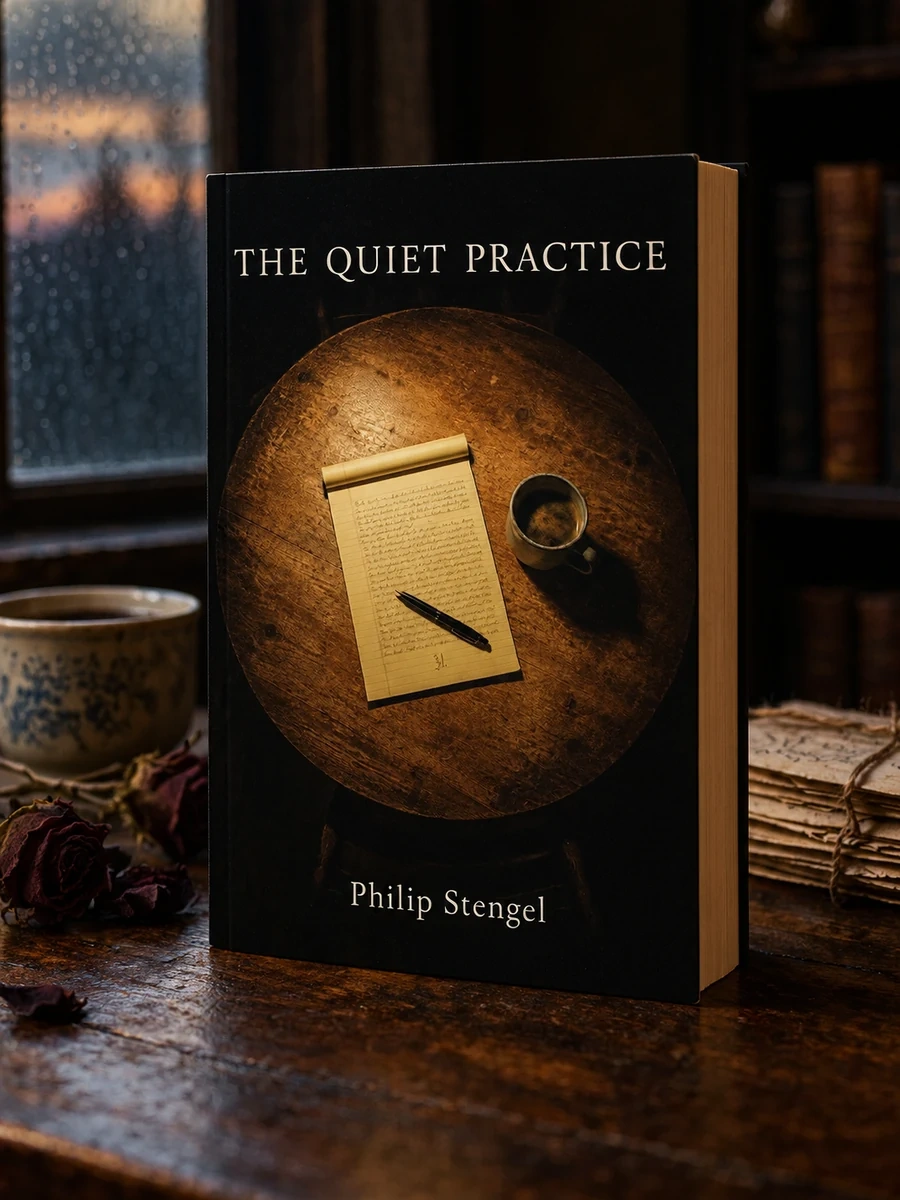
🏛 Books from this publisher Independently Published






You might also like
See more →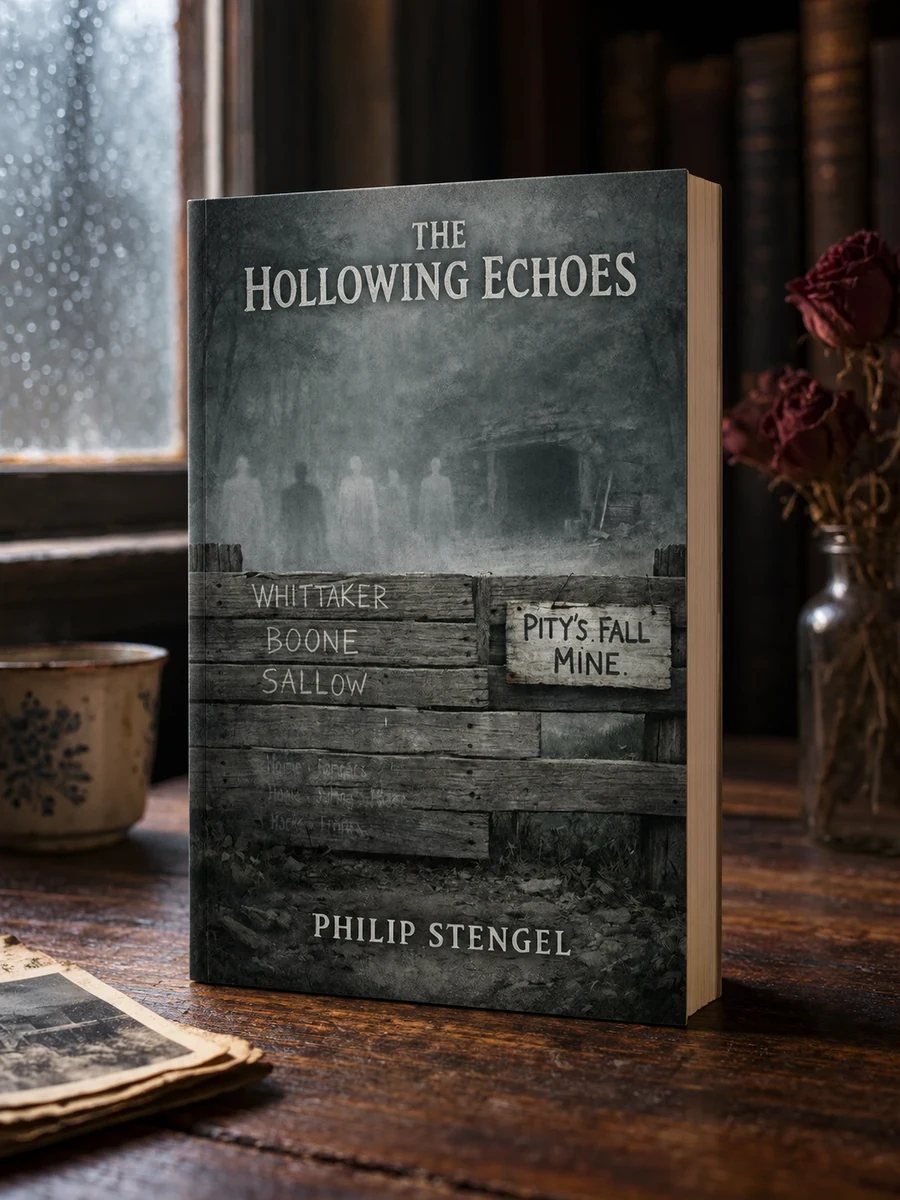
Have a question about this item?
Ask about the edition, condition, delivery or anything else — we reply by email or phone, usually within a day.
