The Faceless Observer
A tale of cosmic horror set in a Texas town facing reality collapse
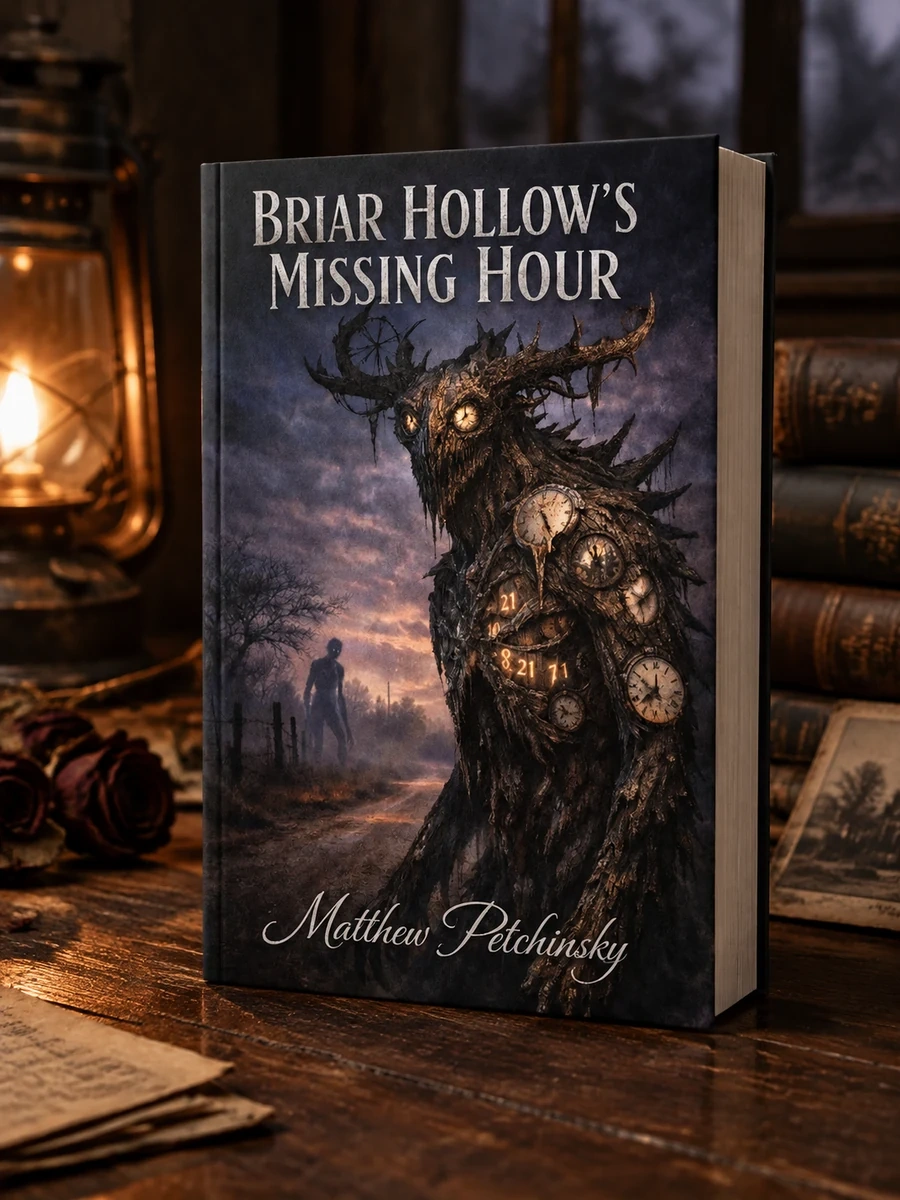
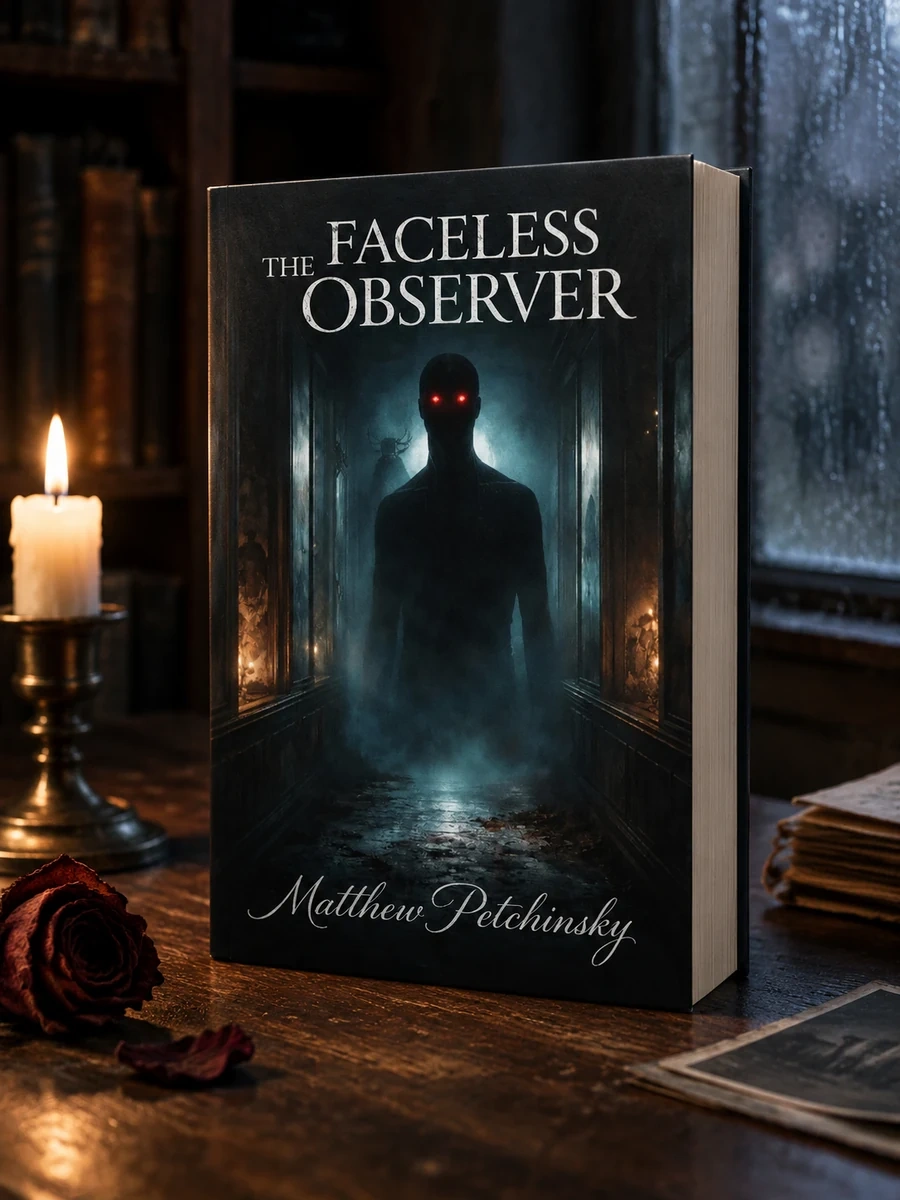
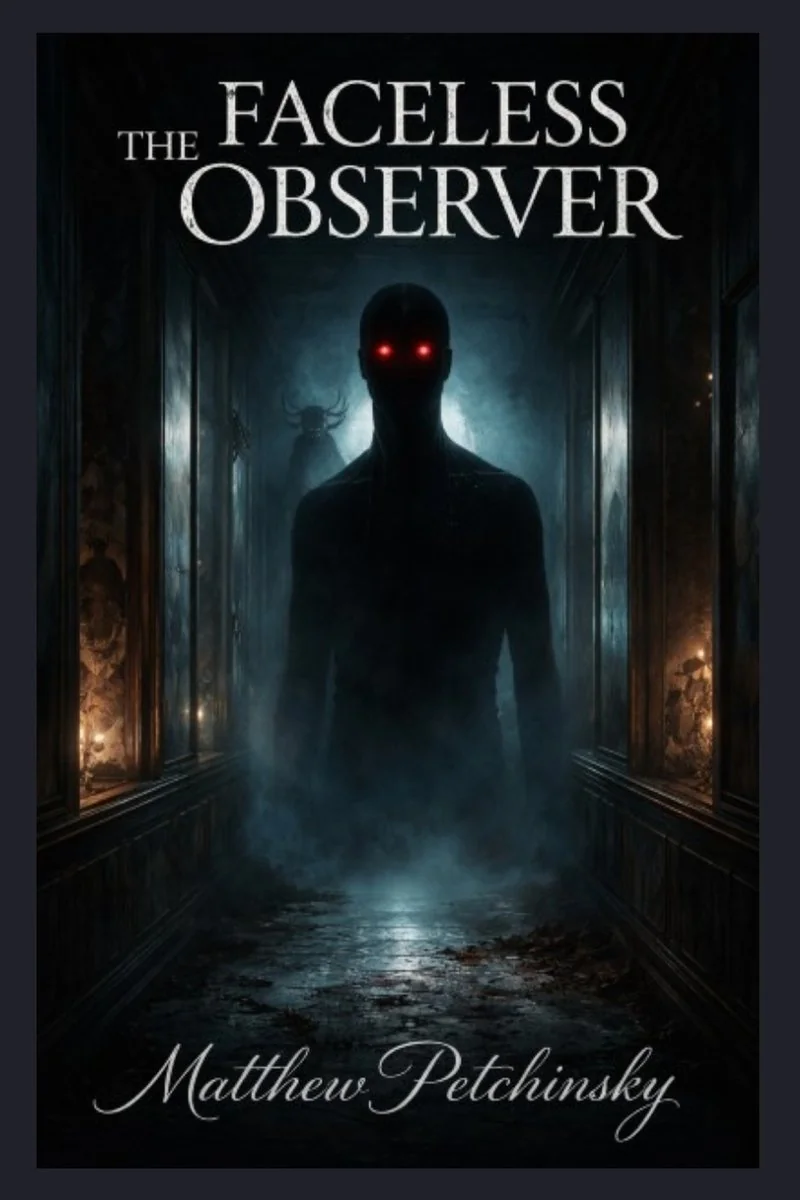
Petchinsky constructs a scenario where the end of the world arrives without warning through an entity that watches rather than attacks. The story follows two individuals hiding in a museum protected by crystals and old magicks as the environment turns hostile. Gravity distorts and possession spreads, creating grotesque transformations among the population. The tension rises as the protective barriers weaken and the observer draws nearer. The characters face a choice between personal survival and preserving the structure of reality itself. The narrative focuses on the psychological weight of being recorded by an indifferent force during the final moments of existence.
This book sits within the horror and supernatural fiction genres, drawing on gothic traditions of isolation and dread. Set in Briar Hollow, Texas, it utilizes American small-town settings to explore themes of extinction and possession. The narrative engages with concepts of forgotten magicks and deep-earth crystals to frame its apocalyptic events.


📝 Description: The Faceless Observer
💎 Our verdict on The Faceless Observer
📖 Why choose it
Why this book is worth reading
Readers seeking immersive cosmic horror will find this novel compelling due to its unique focus on the psychological weight of being observed by an indifferent force rather than directly attacked. The narrative offers a refreshing departure from traditional monster-slaying tropes, instead exploring reality collapse and the erosion of self amidst grotesque transformations. It is ideal for those who appreciate atmospheric tension, complex moral dilemmas regarding survival versus reality preservation, and stories where the environment itself becomes hostile. The emphasis on deep-earth crystals and forgotten magicks adds a layer of mystical intrigue suitable for fans of dark fantasy blending with apocalyptic fiction.
⭐ Reader reviews
Reader rating
Petchinsky crafts a tense atmosphere where the threat is existential rather than physical, making the faceless observer a terrifyingly passive antagonist. The depiction of gravity distorting and flesh splitting creates visceral imagery that supports the cosmic horror genre effectively. While the lack of traditional action may deter some, the psychological depth provides substantial engagement for dedicated fans. The book excels in portraying the helplessness of humanity against ancient, merciless forces. It is best suited for readers who enjoy slow-burn dread and philosophical questions about existence. Those preferring lighthearted gothic romance or standard ghost stories will likely find this too bleak and abstract.