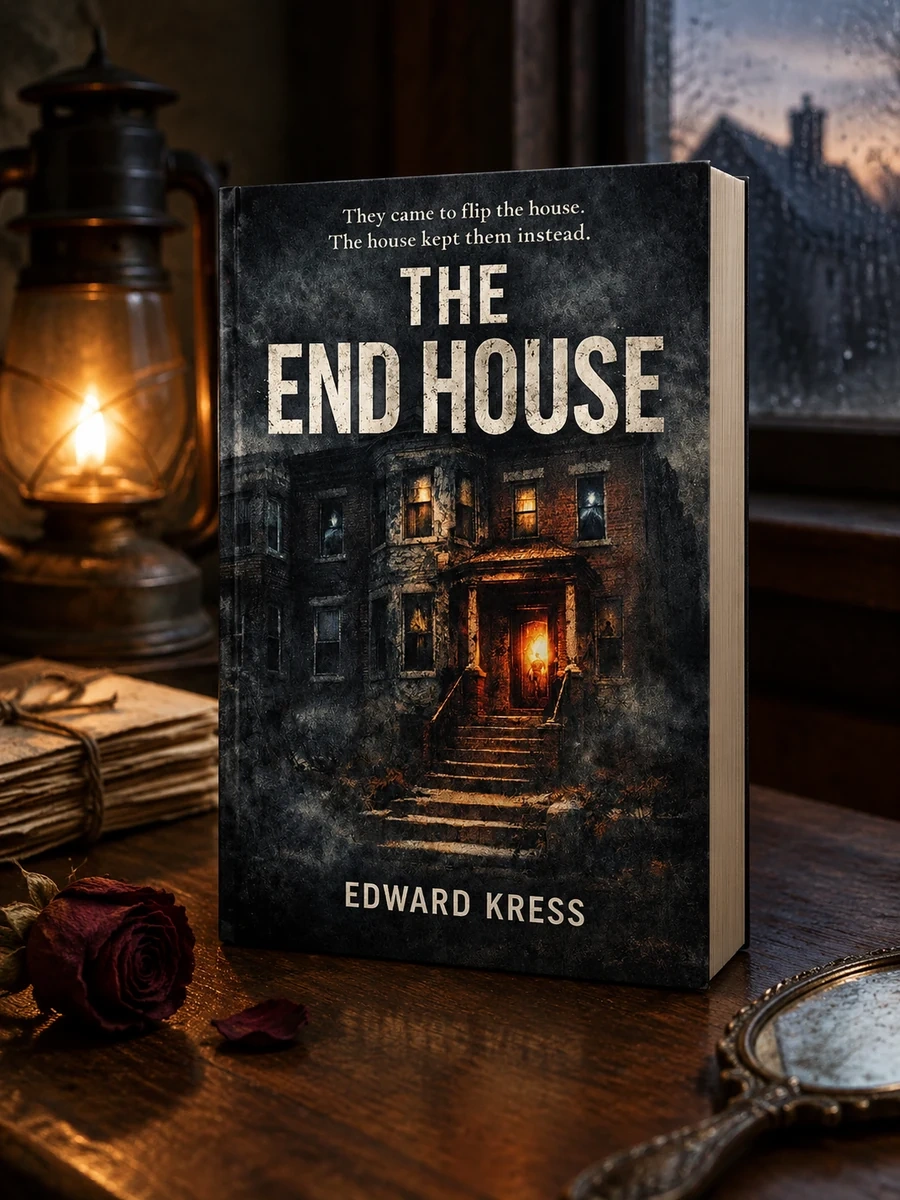
The End House
A renovation project turns into a fight for survival against a sentient, hostile house.
Ryan and Kayla buy 631 Chautauqua Street to flip it, but the property fights back. The building records their movements, alters camera feeds, and hides a dark history behind a scratched basement door. A warning from a woman on video suggests they should never have brought anyone there. As they dig deeper, the house reveals it knows who they are and what they seek. The narrative follows their descent from confident investors to trapped victims of a structure that demands they leave without uncovering the truth. The story relies on the horror of isolation and the violation of private security footage to build tension.
This novel fits into the American tradition of haunted house fiction and supernatural horror. It draws on the genre's focus on places where walls remember traumatic events. The story utilizes modern elements like security cameras to create escalating dread and a sense of being watched by an ancient, unfinished evil.


📝 Description: The End House
💎 Our verdict on The End House
📖 Why choose it
Why this book is worth reading
Readers who crave the visceral tension of isolation will find this narrative compelling, particularly those who appreciate horror that weaponizes modern technology. The book appeals to fans of psychological dread where the environment itself feels alive and hostile. It is ideal for audiences tired of traditional ghosts seeking a more active, sentient antagonist. Those who enjoy the found footage aesthetic translated into prose will appreciate how the text builds unease through altered camera feeds and hidden truths. It offers a focused exploration of losing control over one's home, turning a renovation project into a desperate fight for survival against a structure that knows your secrets.
⭐ Reader reviews
Reader rating
Kress effectively constructs a claustrophobic atmosphere where the house acts as a sentient jailer. The narrative excels in its escalation of paranoia, utilizing the violation of security cameras to create a sense of constant surveillance and helplessness. By focusing on the couple's descent from confident investors to trapped victims, the story maintains tight tension without relying on supernatural exposition. It suits readers who prefer psychological horror over gore, particularly those interested in how architecture can embody malice. While it may lack depth for some, its strength lies in the immediate, relentless pressure of a building that actively conceals its past and demands departure.
📖 Read on the blog
✍️ More books by this author Edward Kress


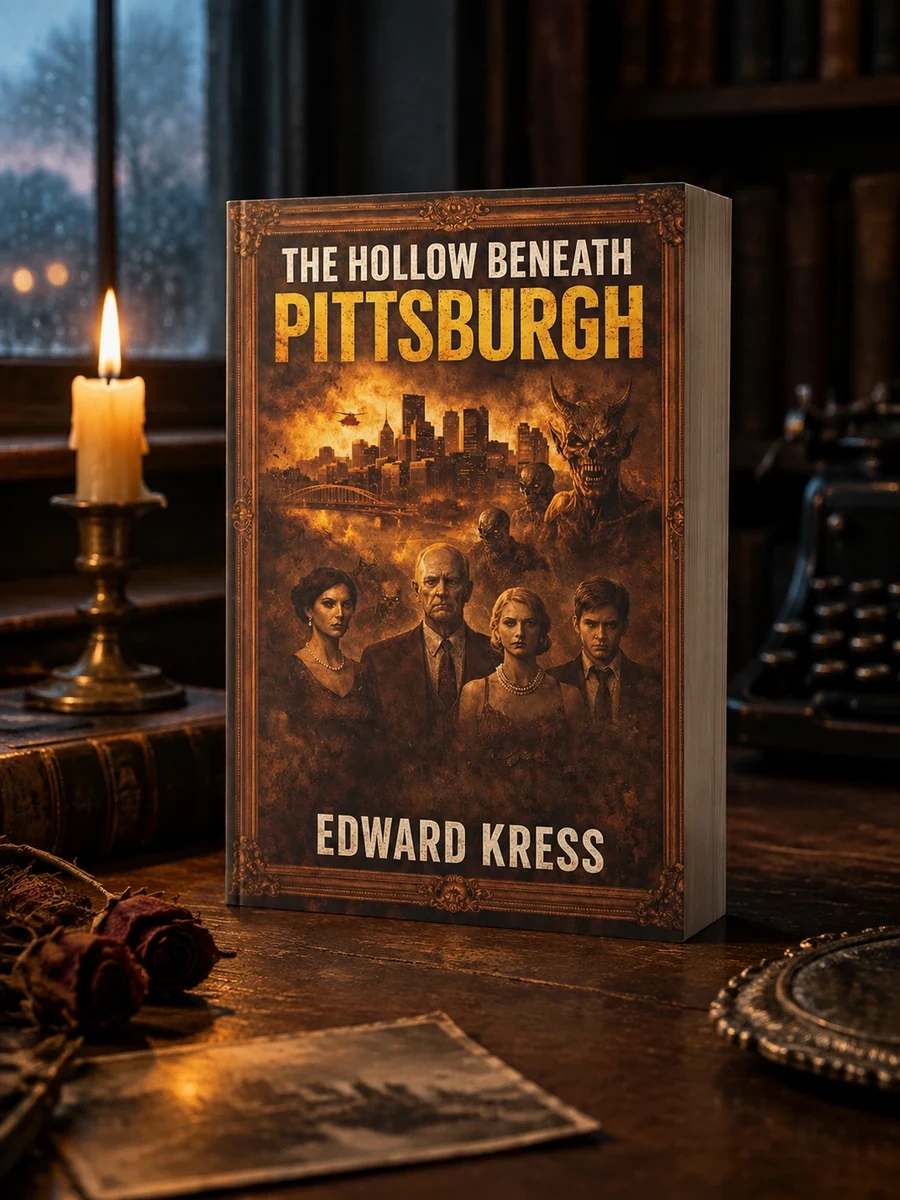
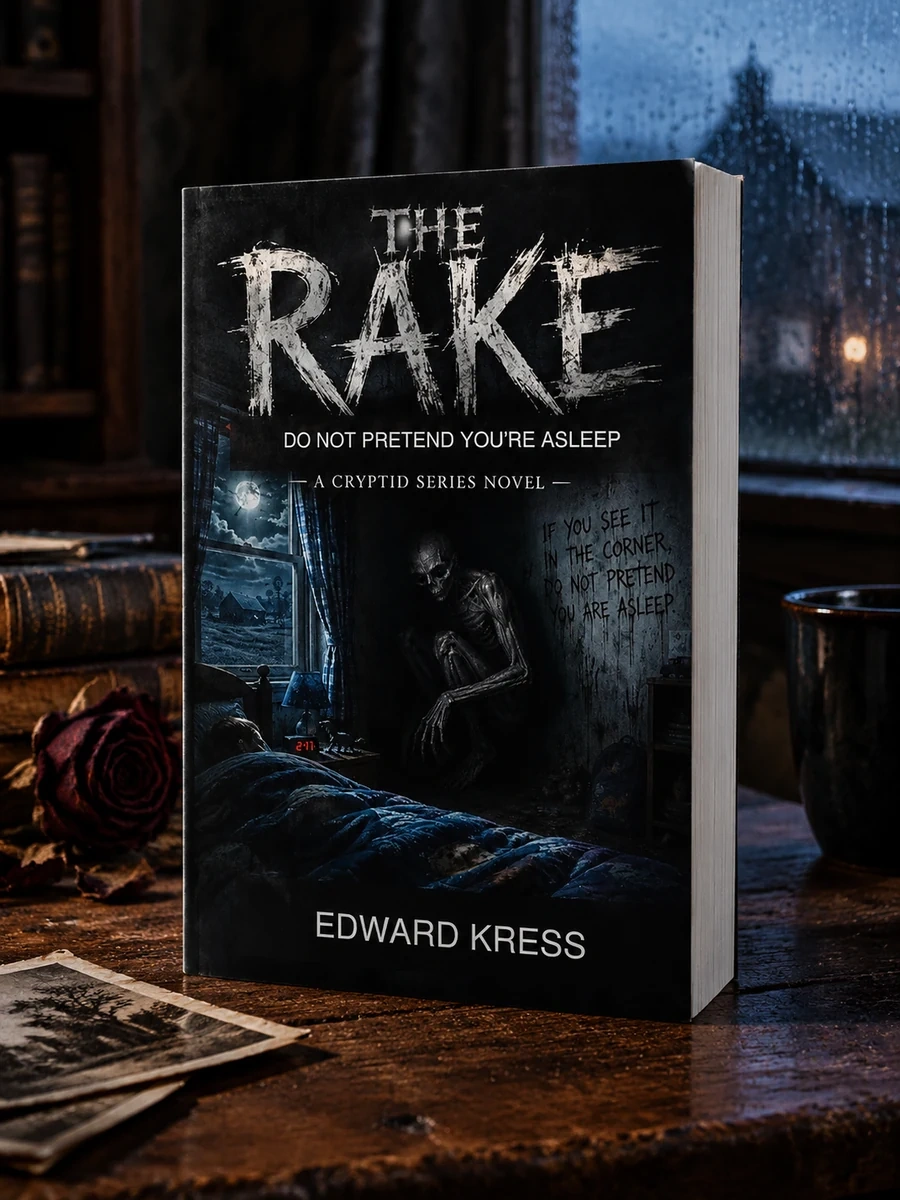
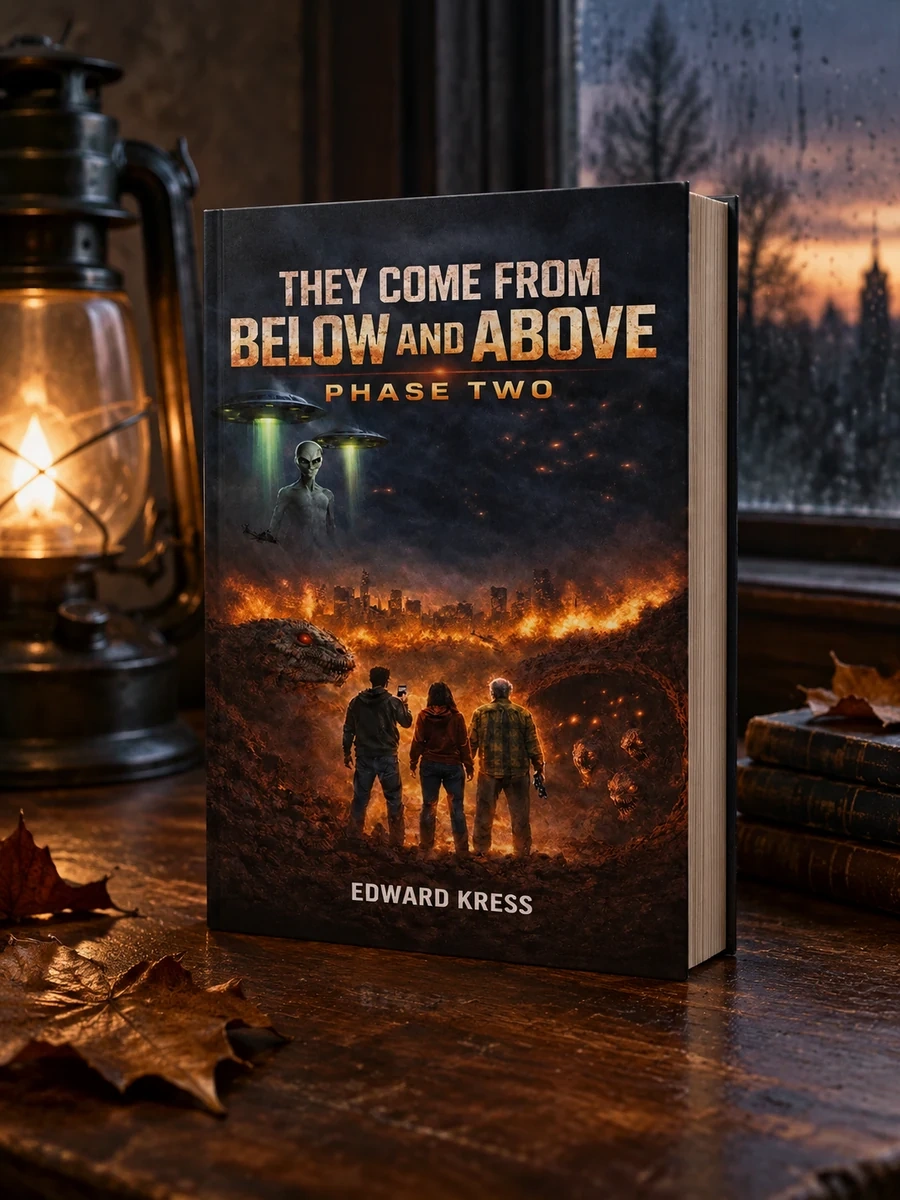
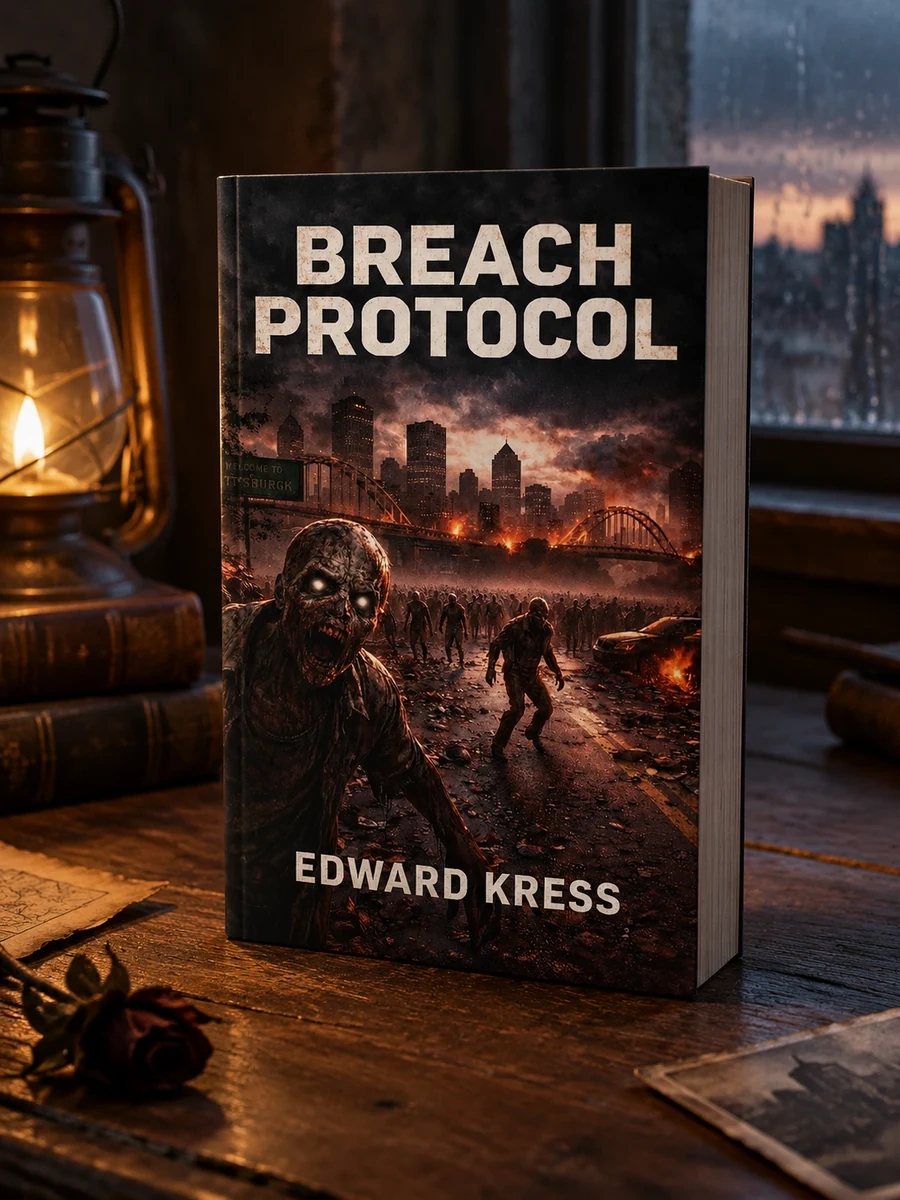
🏛 Books from this publisher Independently Published






You might also like
See more →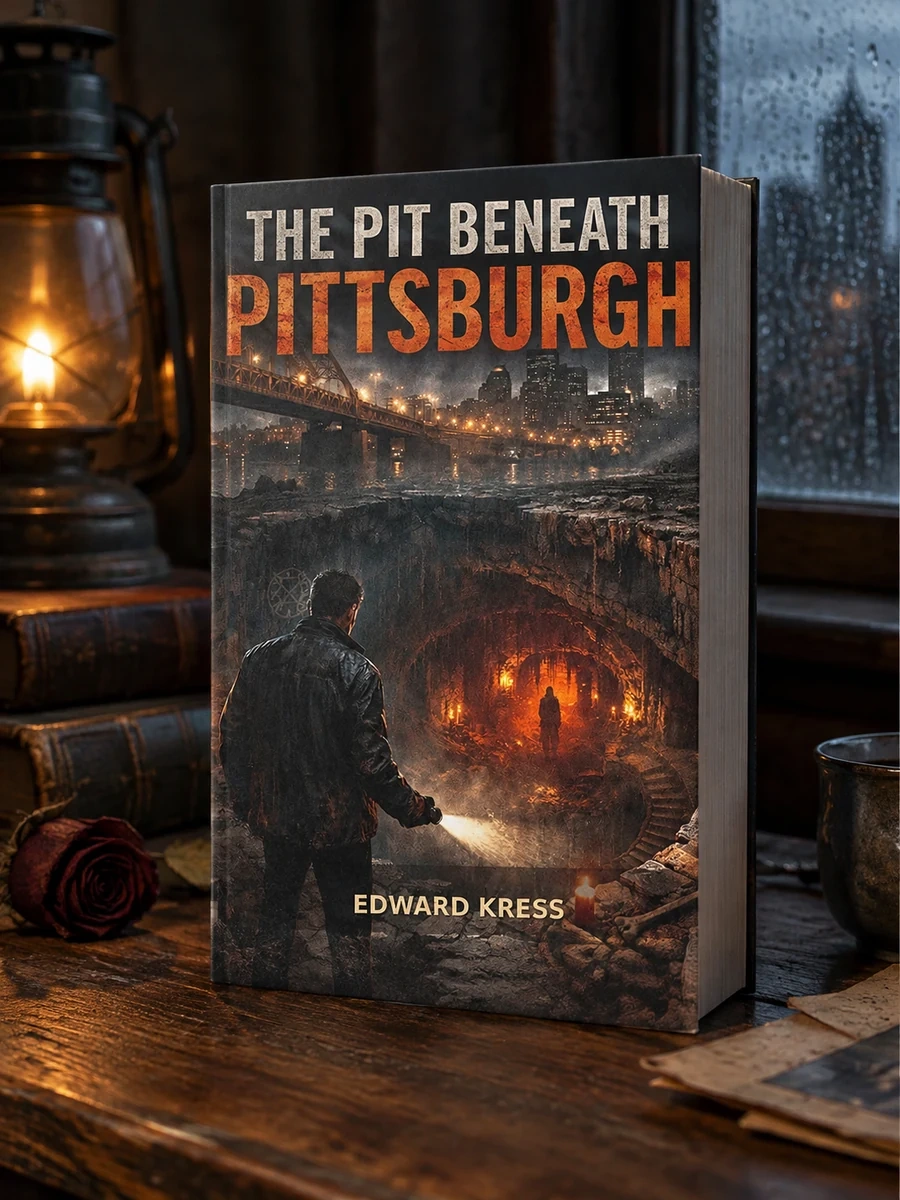

Have a question about this item?
Ask about the edition, condition, delivery or anything else — we reply by email or phone, usually within a day.
