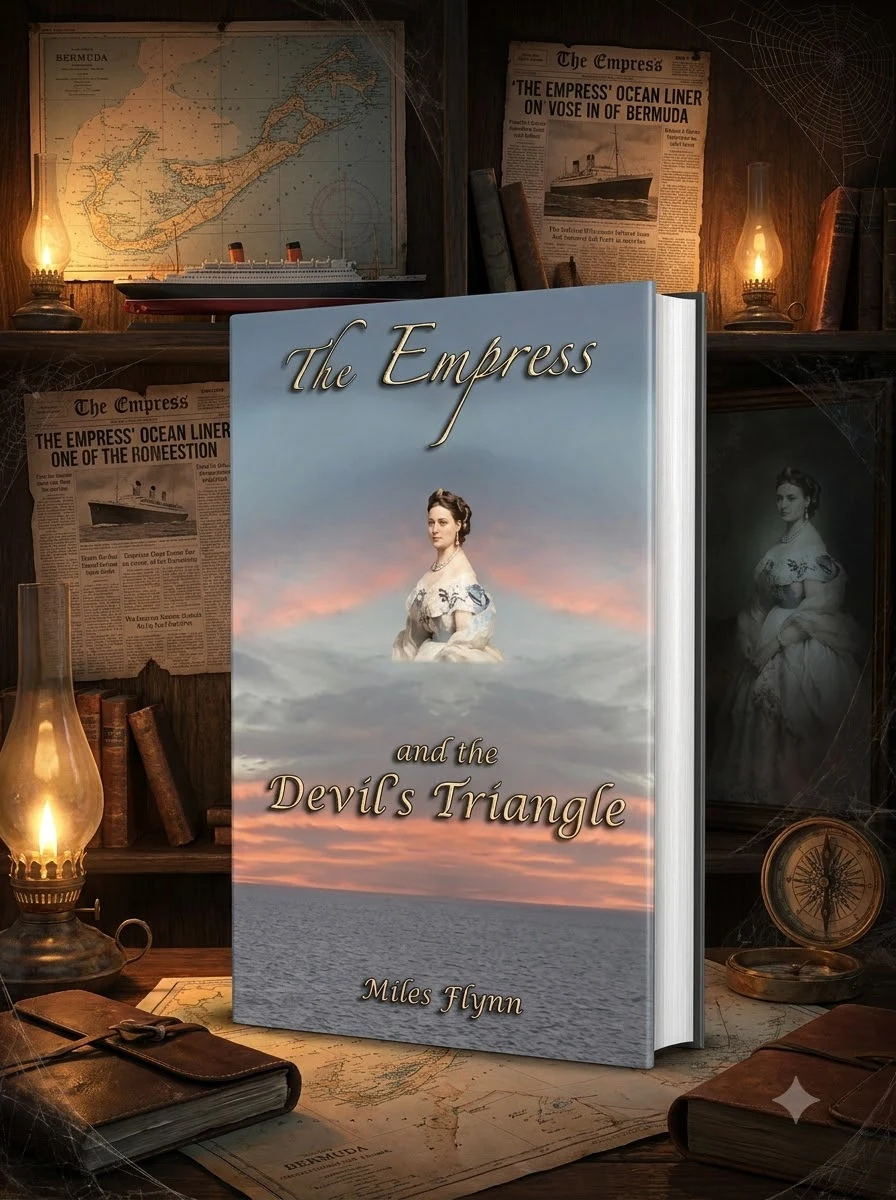

The Empress and the Devil's Triangle
A reporter faces a haunted ship that weaponizes his own hidden darkness during a 1960 cruise.
Flynn constructs a tale where the Empress is not merely a vessel but an active antagonist. Lawrence Gray, a junior reporter, finds his assignment to cover the Bermuda trip to be a trap set by his editor. The horror stems from internal psychological battles rather than external monsters. The ship’s spirit manipulates his relationship with pianist Catherine Tourterelle to expose his repressed sins. The story focuses on the intersection of professional ambition and personal guilt, creating a claustrophobic atmosphere aboard the restored liner.
The narrative is set in the summer of 1960 during a cruise to Bermuda. It reflects mid-twentieth century American journalism culture through the perspective of a Southern newspaper. The story draws on gothic traditions by personifying the ship as a malevolent force tied to the protagonist's personal history.


📝 Description: The Empress and the Devil's Triangle
💎 Our verdict on The Empress and the Devil's Triangle
📖 Why choose it
Why this book is worth reading
Readers seeking atmospheric tension over visceral gore will find this narrative compelling. It appeals to those interested in the intersection of professional ambition and personal guilt, offering a claustrophobic exploration of repressed sins. The book suits fans of psychological horror who prefer internal battles against external monsters. By framing the ocean liner as an active antagonist that weaponizes hidden darkness, it provides a unique twist on the haunted vessel genre. Those who enjoy stories where romance becomes a tool for psychological dissection will appreciate the nuanced character dynamics and the slow-burn escalation of diabolical tension aboard the restored ship.
⭐ Reader reviews
Reader rating
Flynn successfully constructs a claustrophobic atmosphere where the Empress serves as more than a setting but an active antagonist. The narrative excels in its psychological depth, forcing the protagonist to confront concealed truths through nightmares and visions rather than jump scares. This approach creates a sophisticated tension that rewards patient readers. It best suits enthusiasts of gothic fiction and supernatural suspense who value character-driven dread over action. While it lacks historical documentation for maritime historians, it delivers a potent exploration of guilt and ambition. The integration of the pianist’s role adds complexity to the horror, making it a standout choice for those tired of generic ghost stories seeking deeper thematic resonance.
📖 Read on the blog
🏛 Books from this publisher Createspace Independent Publishing Platform




You might also like
See more →

Have a question about this item?
Ask about the edition, condition, delivery or anything else — we reply by email or phone, usually within a day.
