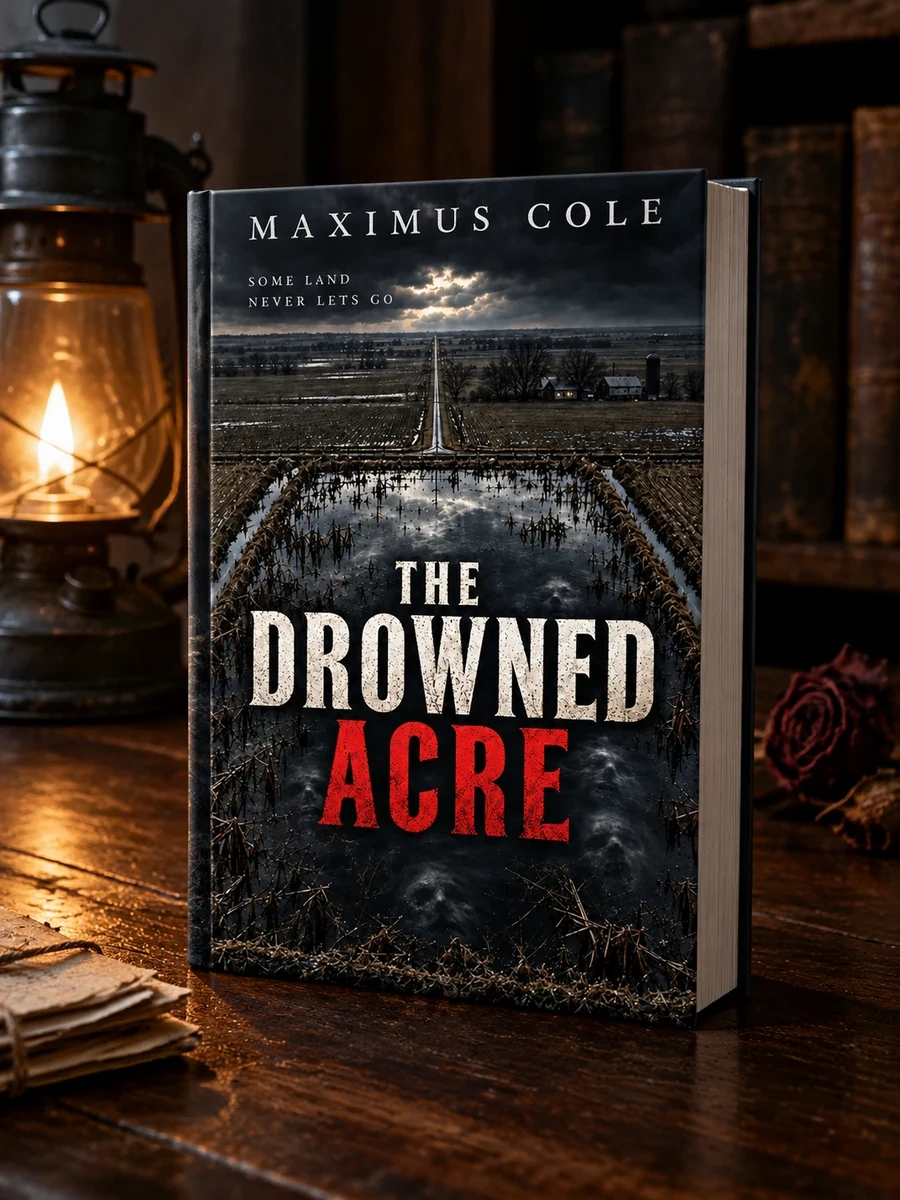
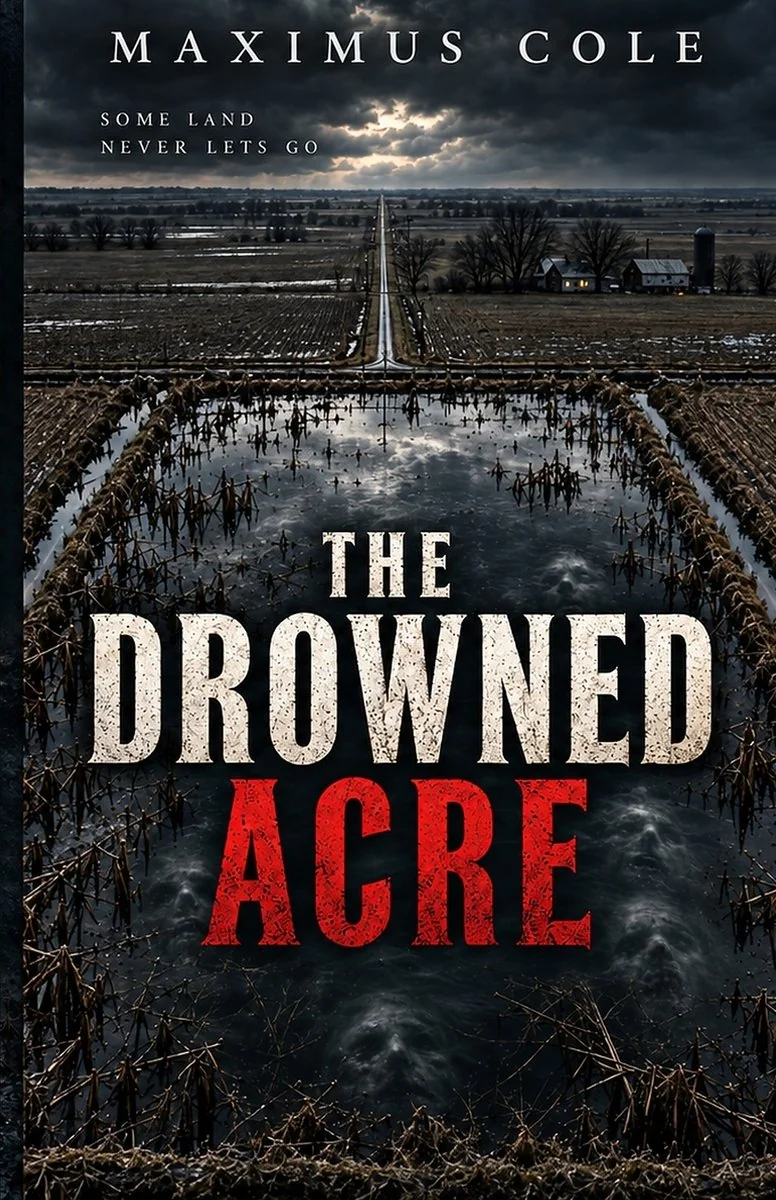
The Drowned Acre
Agronomist Nell Ostrander fights a subterranean threat in drained Ohio farmland.
The novel examines how industrial efficiency can disrupt ancient natural balances. Cole uses the character of Nell to investigate why water refuses to stay dry after her brother's death. The story highlights the danger of connecting isolated systems without understanding their original purpose. As the storm nears, the community realizes that competent drainage has created a highway for something old and hostile. The narrative focuses on the physical restoration of boundaries rather than magical solutions.
The story is set in Northwest Ohio, specifically Kettle County. It engages with the region's history of draining wetlands and building farm systems. The narrative reflects on the tension between modern agronomy and the older, contained nature of the land.


📝 Description: The Drowned Acre
💎 Our verdict on The Drowned Acre
📖 Why choose it
Why this book is worth reading
Readers who appreciate slow-burn atmospheric horror and narratives exploring the intersection of technology and nature will find this book compelling. It offers a unique perspective on the terror inherent in industrial efficiency, showing how competent drainage can inadvertently create highways for hostile ancient forces. Those interested in rural Gothic fiction and stories where physical restoration replaces magical solutions will gain significantly from this tense exploration of boundary failures. The narrative’s focus on agronomists, county engineers, and farmers provides a grounded, realistic backdrop for supernatural dread, appealing to those who prefer psychological tension over fast-paced action or urban settings.
⭐ Reader reviews
Reader rating
Maximus Cole delivers a chilling examination of how industrial efficiency disrupts ancient natural balances in this potent rural Gothic tale. The narrative effectively builds dread through the concept of drained farmland becoming a conduit for subterranean threats, leveraging the specific agricultural history of Northwest Ohio to ground its supernatural elements. Cole excels at creating tension between modern engineering and primordial emptiness, avoiding cheap scares in favor of atmospheric unease. This book is best suited for readers who enjoy slow-burn horror and stories about the dangers of connecting isolated systems without understanding their original purpose. It avoids urban tropes, offering a fresh, earthy terror that lingers long after the final page.
📖 Read on the blog
📖 From the series “American Dread Collection”
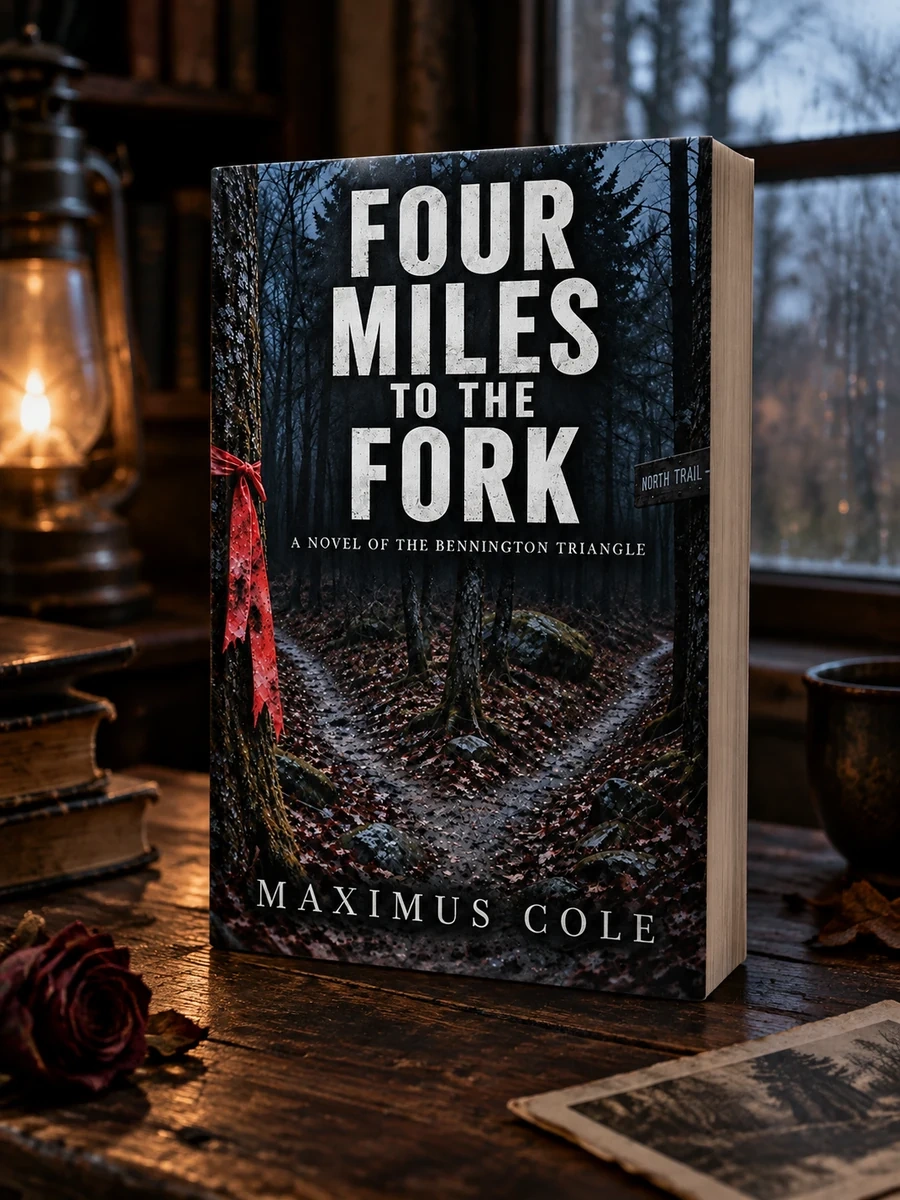


✍️ More books by this author Maximus Cole
🏛 Books from this publisher Independently Published






You might also like
See more →
Have a question about this item?
Ask about the edition, condition, delivery or anything else — we reply by email or phone, usually within a day.
