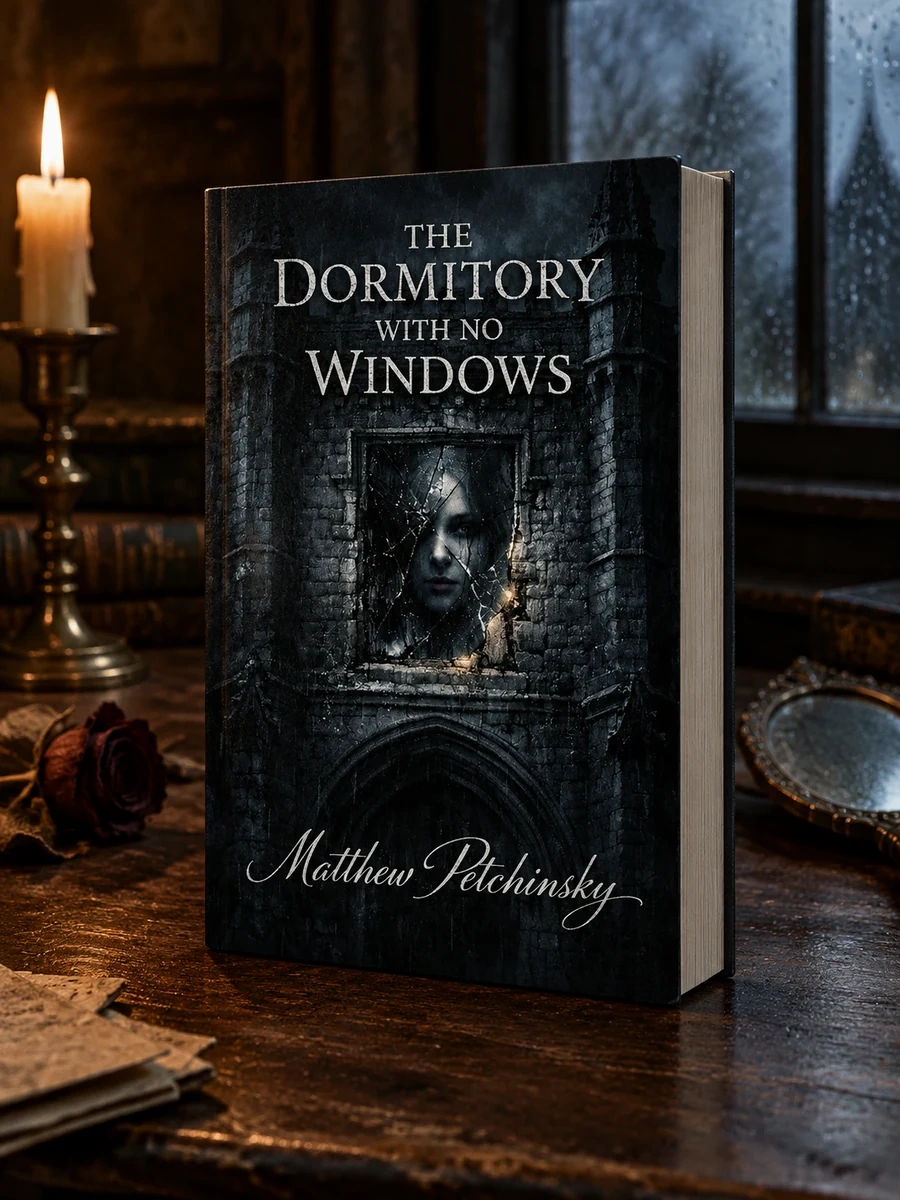
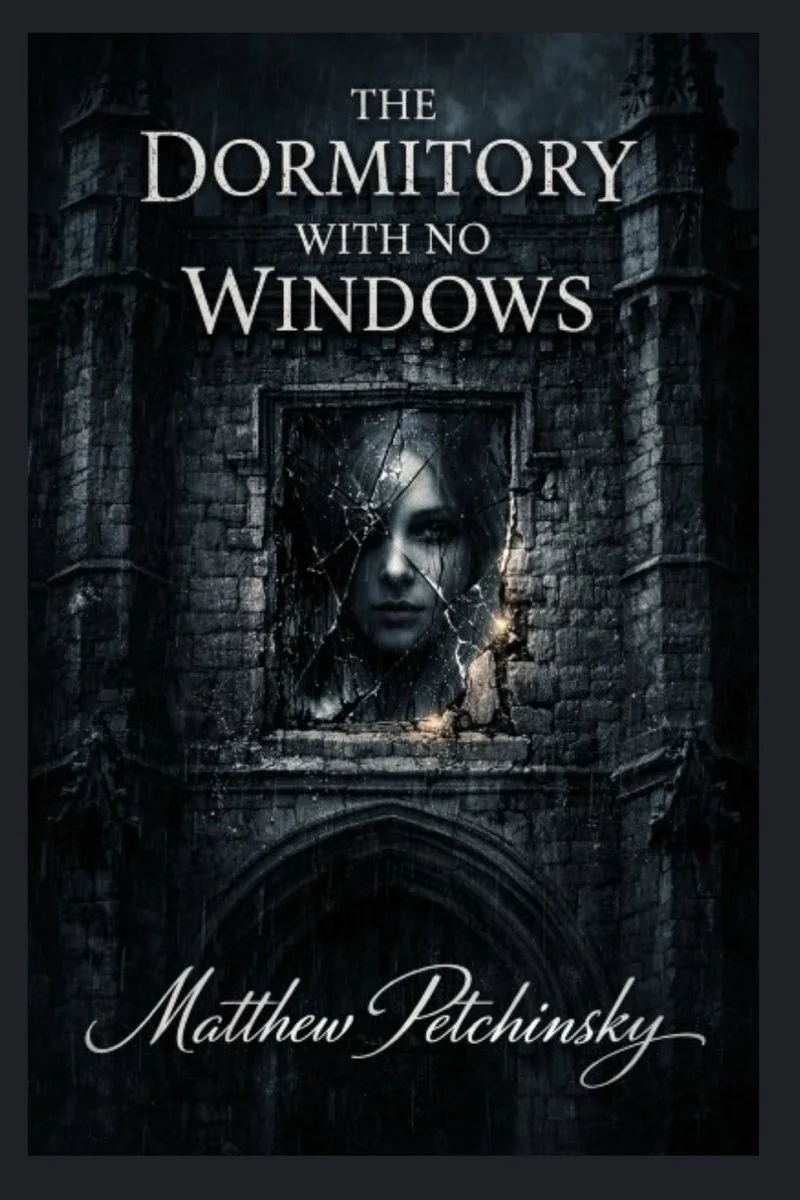
The Dormitory with No Windows
A dormitory that traps its residents' futures rather than their bodies.
Elia Vance discovers Ashmere Dormitory exists outside official records upon arrival. The structure exhibits malevolent architectural traits including shifting hallways and lagging mirrors. Petchinsky details how the building feeds on surrender, offering safety in exchange for identity. Residents who fail to remain present are preserved at age nineteen. Elia and Rowan fight to maintain their sanity and connection while uncovering the truth about the missing floor. The story examines how captivity affects devotion and personal agency. It avoids traditional jump scares in favor of psychological unease. The narrative focuses on the specific horror of losing oneself to a place that demands quiet compliance. Readers interested in gothic fiction will appreciate the detailed depiction of architectural dread. The plot progresses through Elia’s realization that the building wants them quiet, not dead. This distinction drives the tension as they attempt to stay awake and defiant. The conclusion involves a harsh choice dictated by the threshold rule.
The book sits within the tradition of gothic fiction and supernatural horror, published in 2026 by Apophis Enterprises LLC. It draws on themes of campus life and institutional dread, presenting a modern take on classic haunted house tropes through the lens of psychological terror.


📝 Description: The Dormitory with No Windows
💎 Our verdict on The Dormitory with No Windows
📖 Why choose it
Why this book is worth reading
Readers seeking atmospheric dread over visceral gore will find this narrative compelling for its unique exploration of architectural malice. The book appeals to those fascinated by the psychological horror of captivity and the slow erosion of selfhood within confined spaces. It is ideal for enthusiasts of gothic fiction who appreciate detailed depictions of environmental antagonism and the tension between personal agency and systemic compliance. Those interested in stories where the setting itself acts as a malevolent force, demanding quiet surrender rather than offering traditional terror, will gain profound insight into the cost of defiance against an entity that preserves life by destroying identity.
⭐ Reader reviews
Reader rating
Petchinsky delivers a masterclass in psychological unease, transforming Ashmere Dormitory into a character defined by hostile intent and shifting geometry. The narrative excels in its subtle depiction of architectural dread, avoiding jump scares to focus on the terrifying prospect of being preserved against one’s will. By framing the horror as a demand for silence rather than death, the text creates a suffocating tension that lingers long after reading. It suits readers who favor slow-burn atmospheric stories and complex examinations of devotion under duress. The blend of gothic tradition with modern campus isolation provides a fresh lens on identity loss, making it a standout choice for those who appreciate horror that challenges the mind through environmental storytelling rather than physical threat.
📖 Read on the blog
✍️ More books by this author Matthew Petchinsky
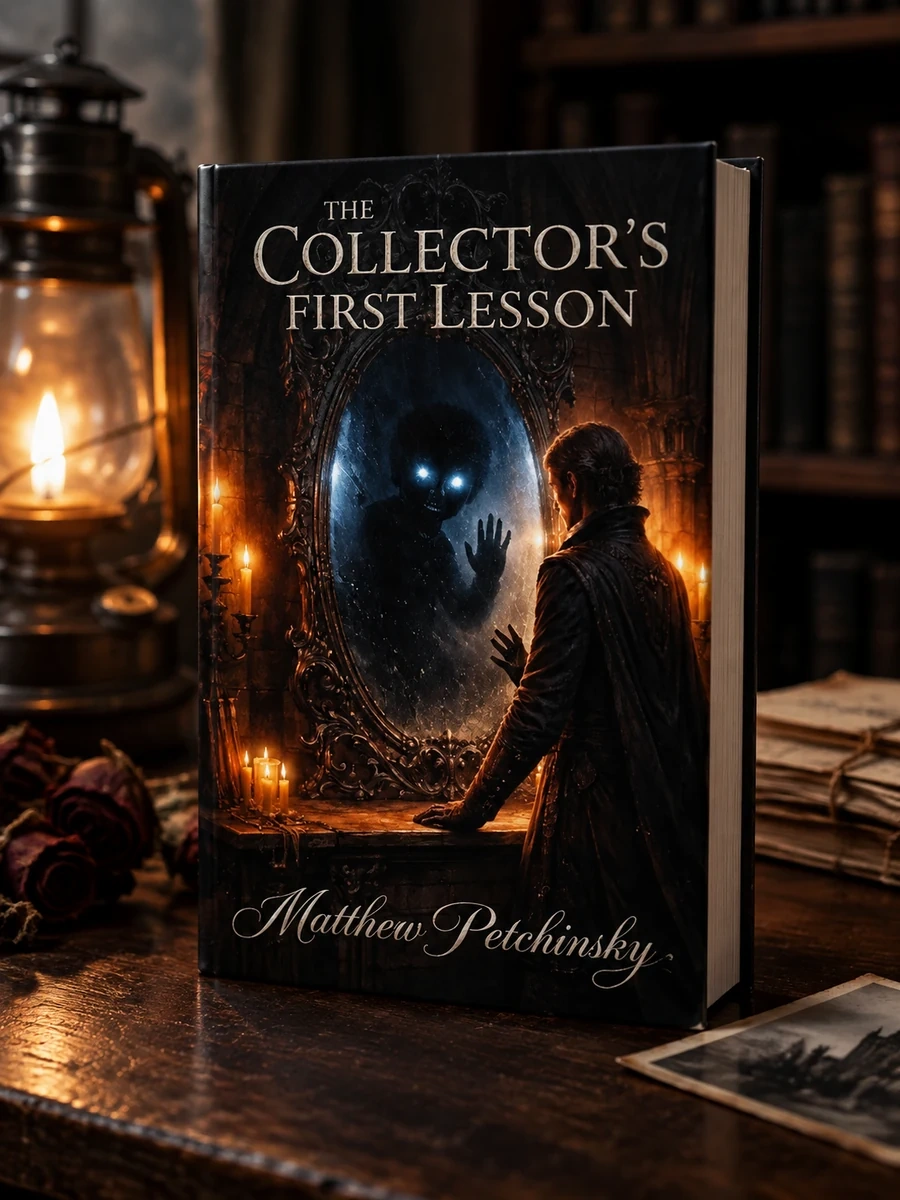



🏛 Books from this publisher Apophis Enterprises LLC



You might also like
See more →
Have a question about this item?
Ask about the edition, condition, delivery or anything else — we reply by email or phone, usually within a day.
