
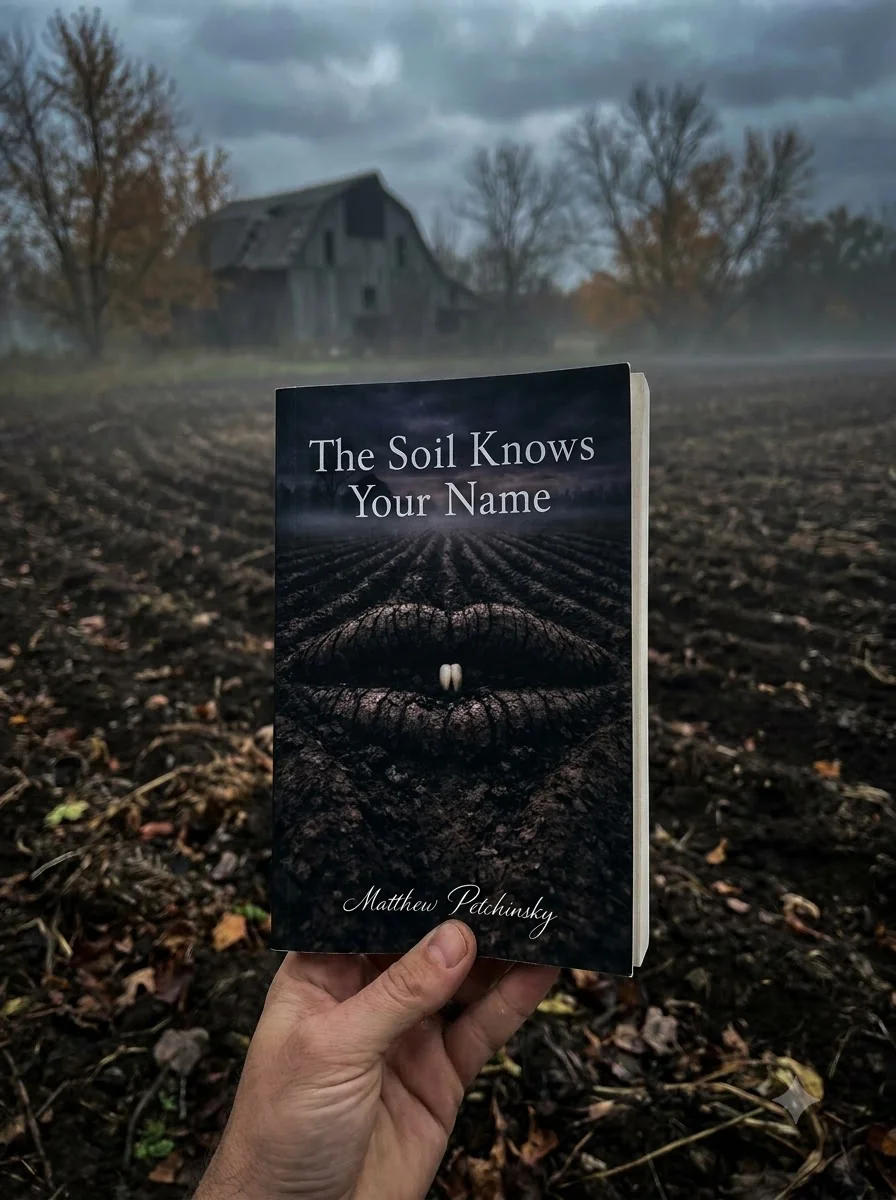
The Soil Knows Your Name
A gothic horror novel about a town where the land demands belonging through ritualized silence.
This work examines the psychological toll of environmental abundance on a isolated community. It traces how rationalization replaces fear when survival depends on ignoring disappearances. The text highlights the shift from agricultural necessity to worship, showing how consent becomes a commodity traded for sustenance. Petchinsky structures the plot around Elias Grady's realization that the earth remembers names and listens to its victims. The narrative avoids traditional monster tropes, focusing instead on the quiet horror of collective denial and the erosion of individual identity within a group that has surrendered autonomy for security.
This novel sits within the tradition of gothic psychological horror and environmental dread. It reflects contemporary anxieties about land exhaustion and the loss of agricultural sovereignty. The story draws on rural American settings to explore how communities rationalize unthinkable acts when survival is at stake.


📝 Description: The Soil Knows Your Name
💎 Our verdict on The Soil Knows Your Name
📖 Why choose it
Why this book is worth reading
Readers who appreciate atmospheric tales of rural decay and psychological tension will find value in this narrative. Those interested in the terrifying intimacy between land and identity, or how survival can devolve into worship, will engage with the text's exploration of collective denial. It suits those comfortable with slow-burn pacing and ambiguous endings, offering a profound examination of how rationalization replaces fear when existence depends on ignoring horror. The book appeals to individuals seeking depth over action, providing a quiet but relentless dread that lingers long after the final page.
⭐ Reader reviews
Reader rating
Petchinsky excels at depicting the quiet horror of collective denial and the erosion of self within a community surrendering autonomy for security. By avoiding traditional monster tropes, the novel focuses on the terrifying intimacy between place and memory. The narrative effectively blurs environmental horror with existential dread, showing how consent becomes a commodity traded for sustenance. This approach suits readers who prefer psychological tension over fast-paced action. While the slow burn may alienate those seeking clear moral resolutions, it offers a compelling look at how rationalization masks terror. The work stands as a strong example of gothic psychological horror that prioritizes atmosphere and thematic depth.
📖 Read on the blog
✍️ More books by this author Matthew Petchinsky
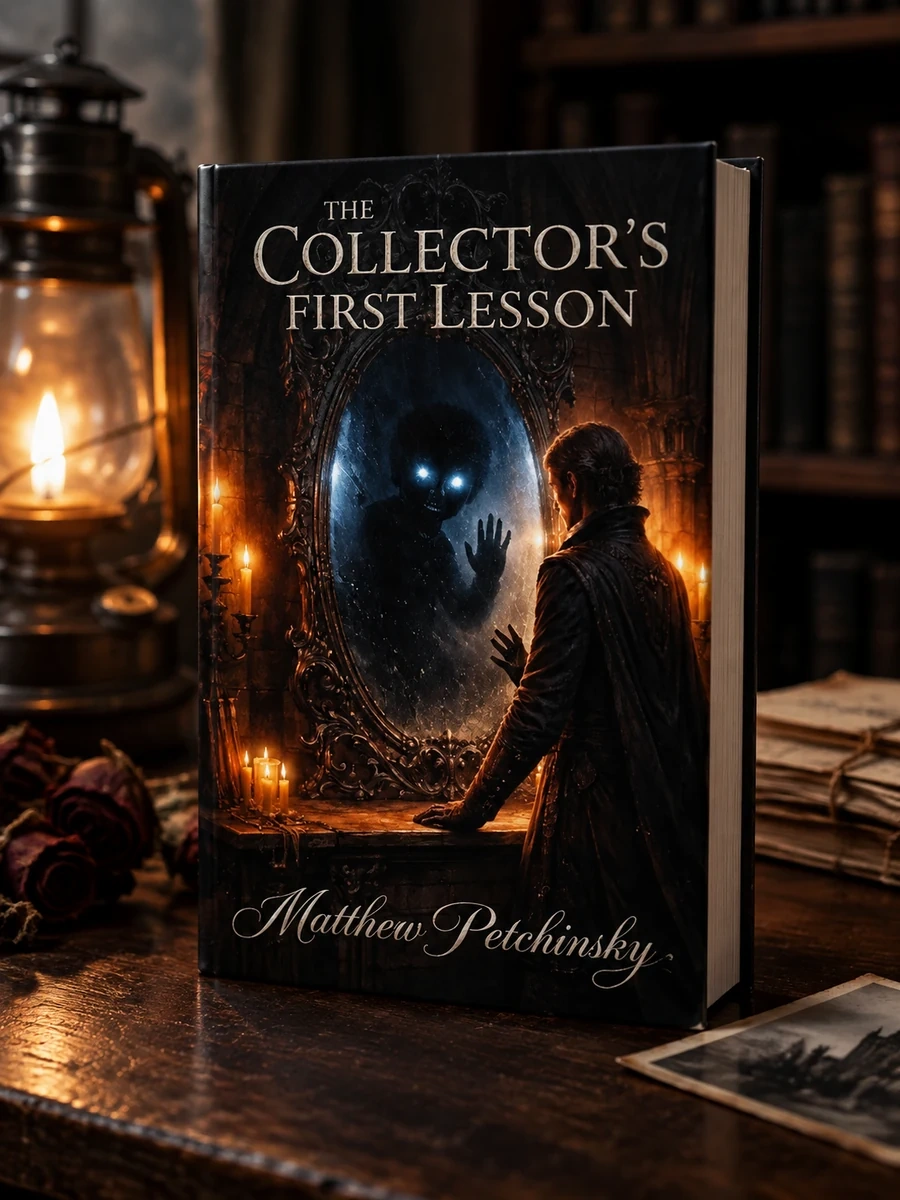


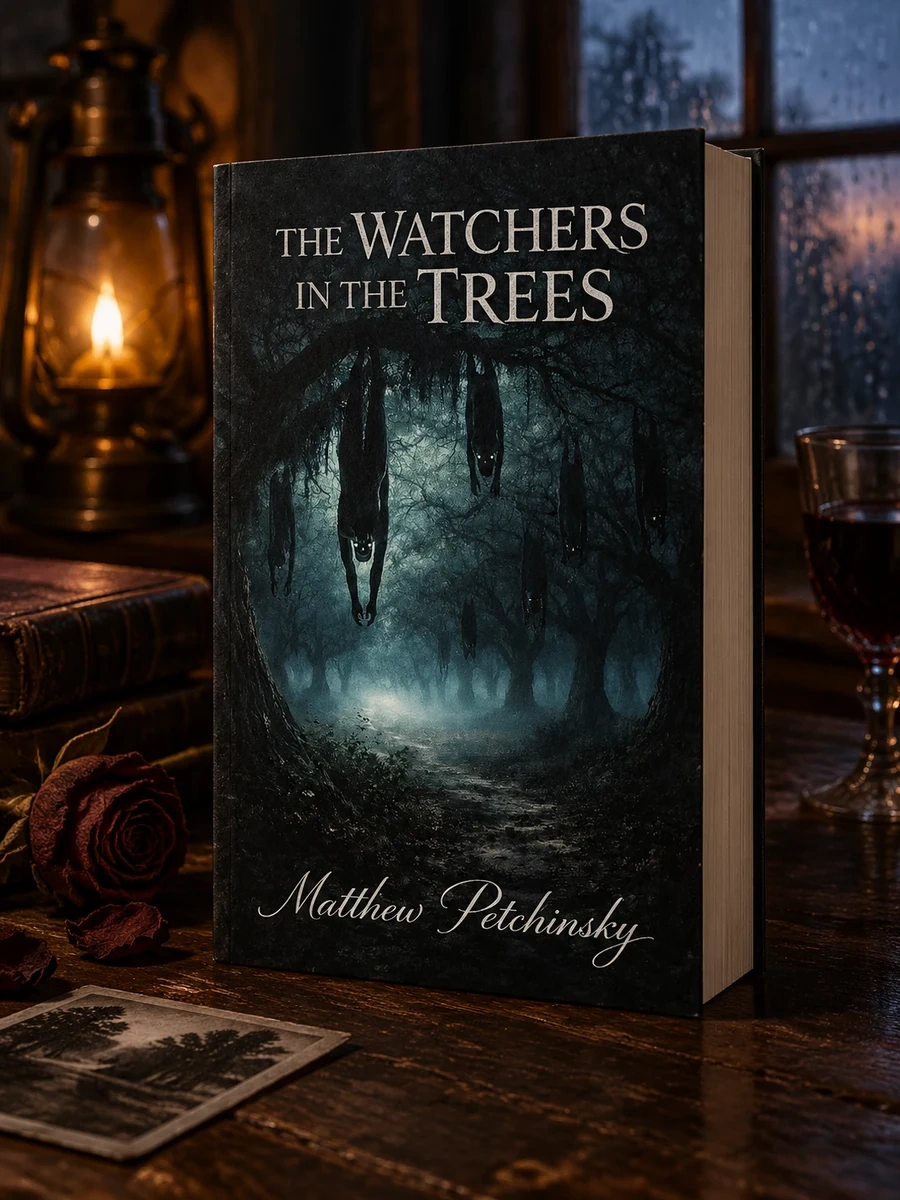


🏛 Books from this publisher Apophis Enterprises LLC





You might also like
See more →

Have a question about this item?
Ask about the edition, condition, delivery or anything else — we reply by email or phone, usually within a day.
