
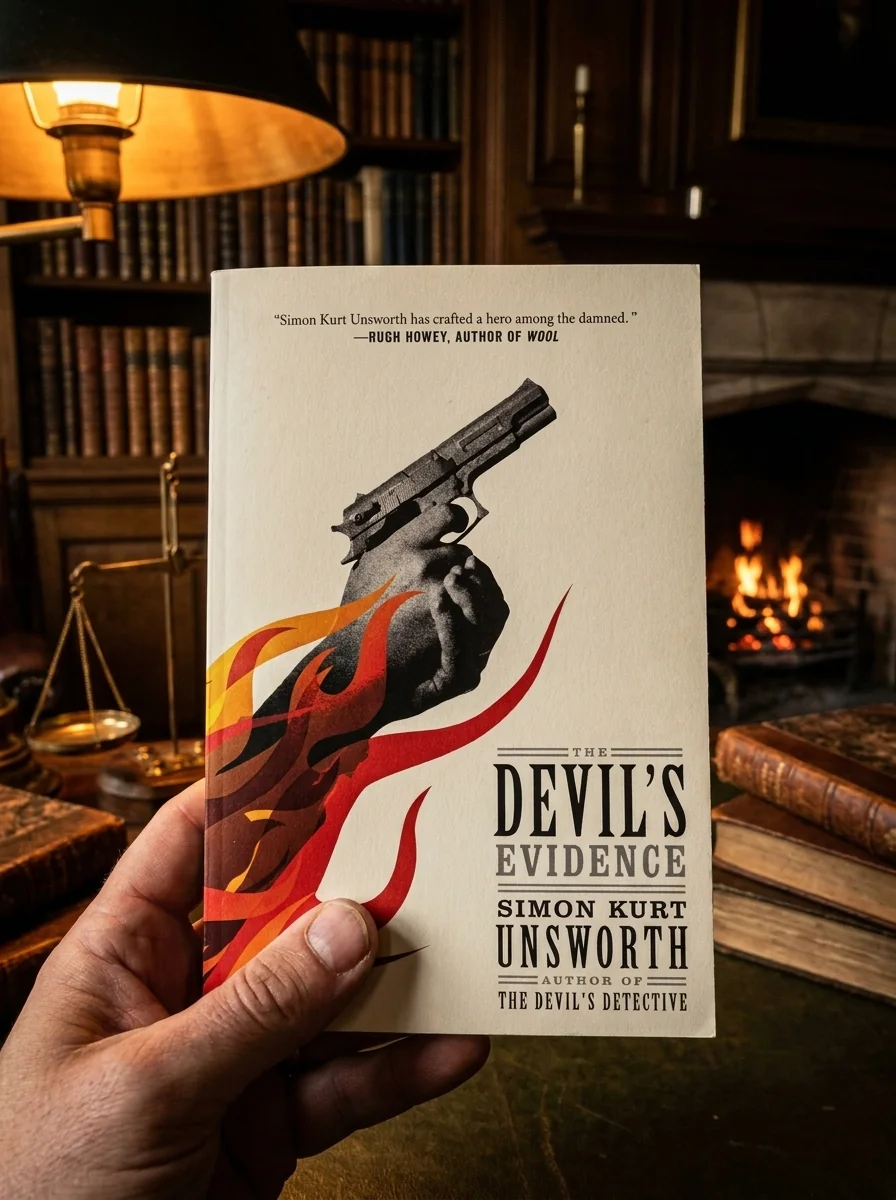

The Devil's Evidence
A Hell-born detective investigates arson and murder across the afterlife bureaucracy.
Simon Kurt Unsworth presents a narrative where Thomas Fool, a memory-less detective from Hell, handles bureaucratic duties in the Information Office. His routine shifts when fires endanger Hell’s leadership and murders plague Heaven. He travels north to solve these crimes. The investigation exposes surprising similarities between the two realms. Unsworth uses this setup to critique institutional power structures. The story relies on the contrast between expected divine order and chaotic reality. It does not offer spiritual guidance but rather a satirical look at afterlife administration. The pacing follows Fool’s discoveries in both locations. This angle highlights the absurdity of celestial bureaucracy.
This work sits within the tradition of American supernatural fiction and gothic horror. It draws on the concept of a bureaucratic afterlife, blending detective noir with spiritual realms. The narrative reflects contemporary satirical views on institutional power.


📝 Description: The Devil's Evidence
💎 Our verdict on The Devil's Evidence
📖 Why choose it
Why this book is worth reading
Readers seeking a unique twist on the detective genre will find this narrative compelling. It appeals to those who enjoy dark comedy mixed with mystery and institutional satire. The book offers a fresh perspective on traditional religious tropes by highlighting the absurdity of celestial administration. Fans of unconventional detective stories and gothic horror will appreciate the critique of power structures. It is ideal for audiences tired of standard heavenly imagery, offering instead a chaotic reality that mirrors Hell. The narrative provides entertainment through its exploration of bureaucratic friction rather than spiritual guidance.
⭐ Reader reviews
Reader rating
Unsworth effectively blends supernatural fiction with dark fantasy to create a satirical critique of institutional power. The protagonist’s journey reveals surprising similarities between Heaven and Hell, challenging expectations of divine order. This approach highlights the absurdity of afterlife administration while maintaining a consistently dark yet humorous tone. The book suits readers who appreciate unconventional detective stories and cosmic horror elements. It avoids traditional theological guidance in favor of exploring bureaucratic chaos. By exposing institutional friction, the narrative offers a sharp, entertaining look at celestial governance. The pacing follows the investigation closely, ensuring engagement through procedural discovery rather than spiritual revelation.
📖 Read on the blog
📖 From the series “Thomas Fool”
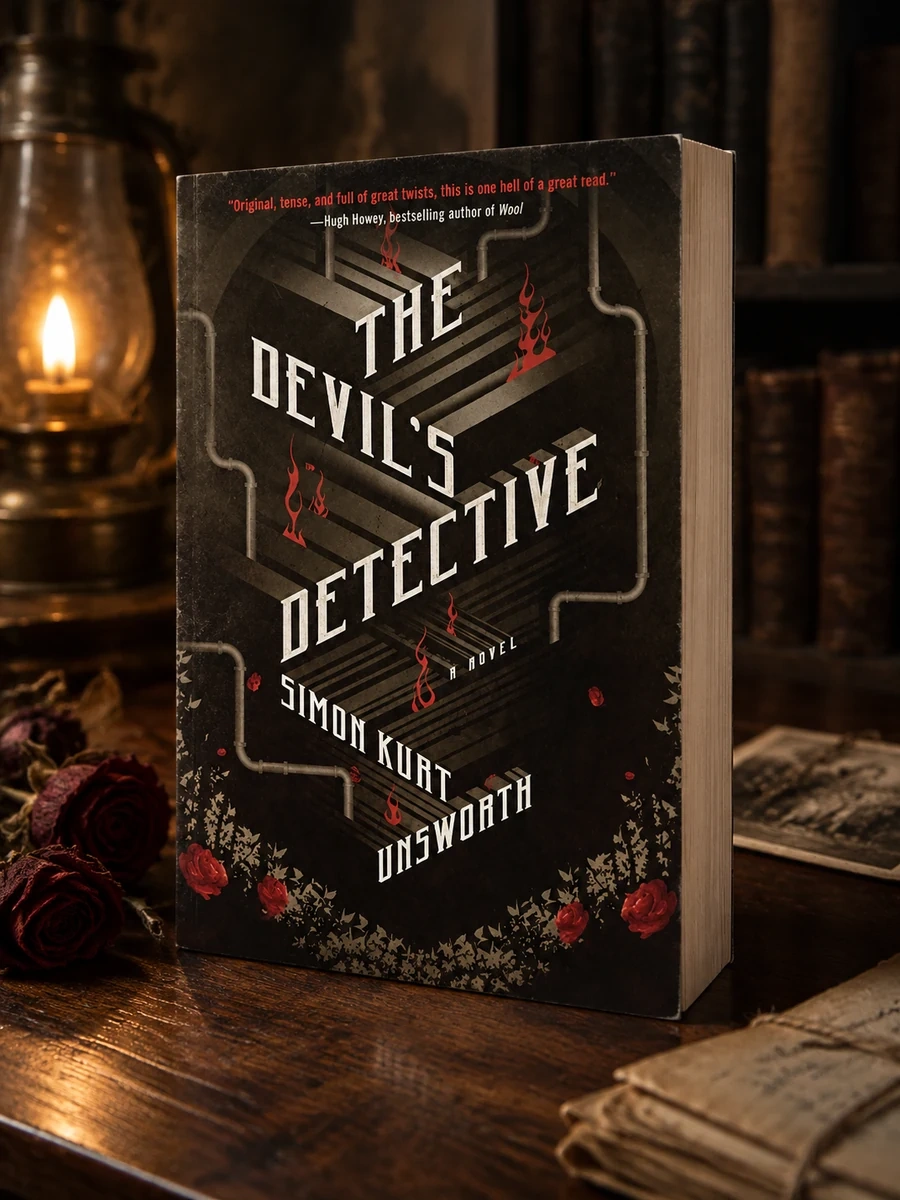


✍️ More books by this author Simon Kurt Unsworth
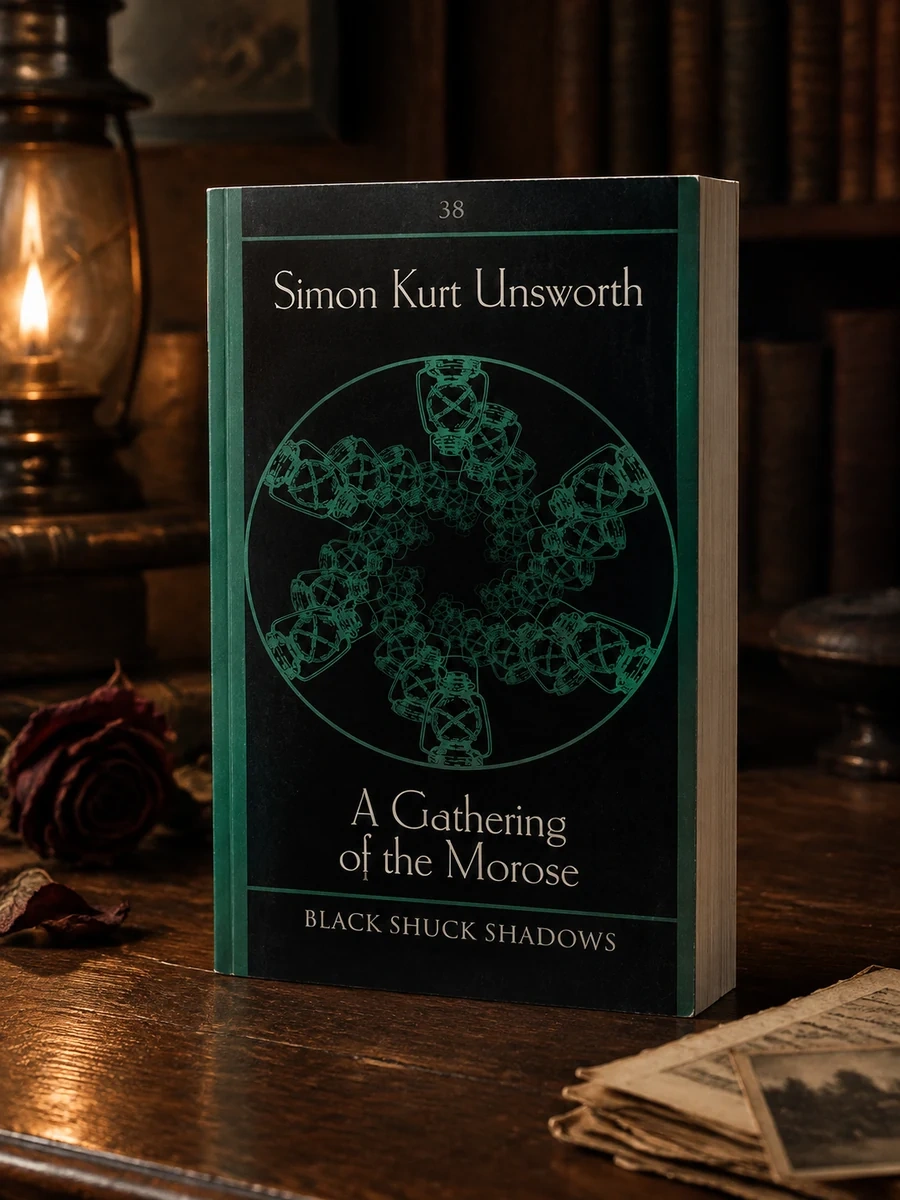

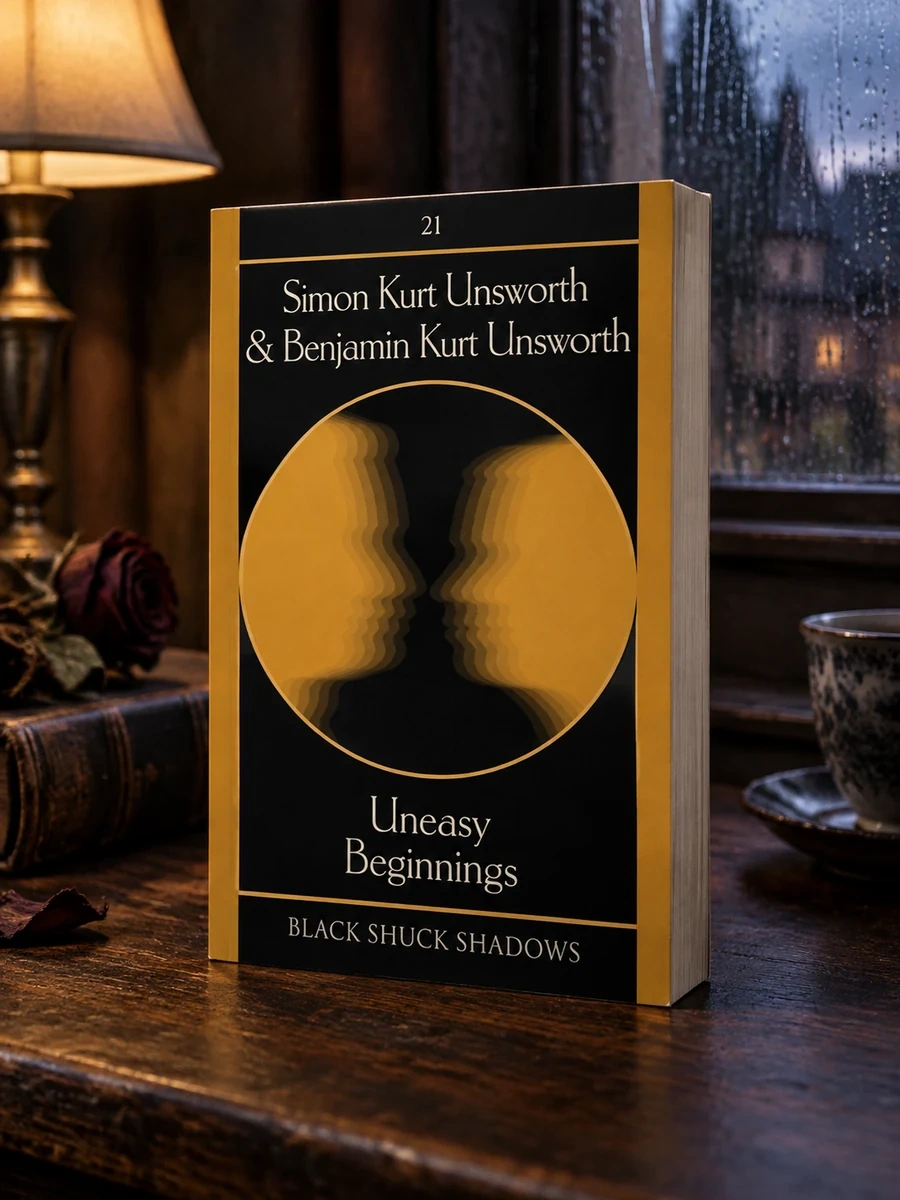

🏛 Books from this publisher Knopf Doubleday Publishing Group

You might also like
See more →





Have a question about this item?
Ask about the edition, condition, delivery or anything else — we reply by email or phone, usually within a day.
