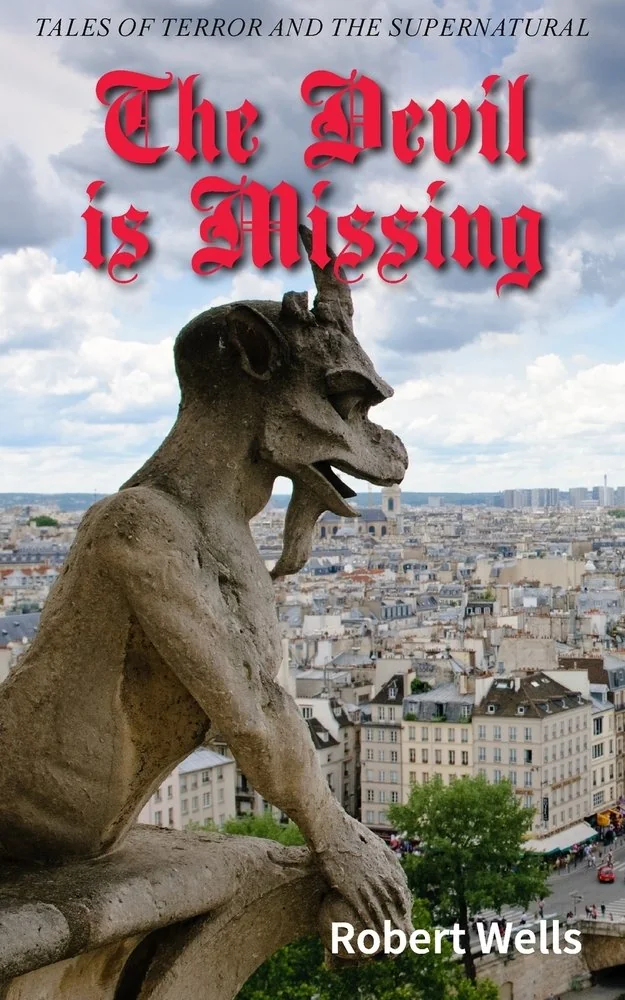
The Devil is Missing
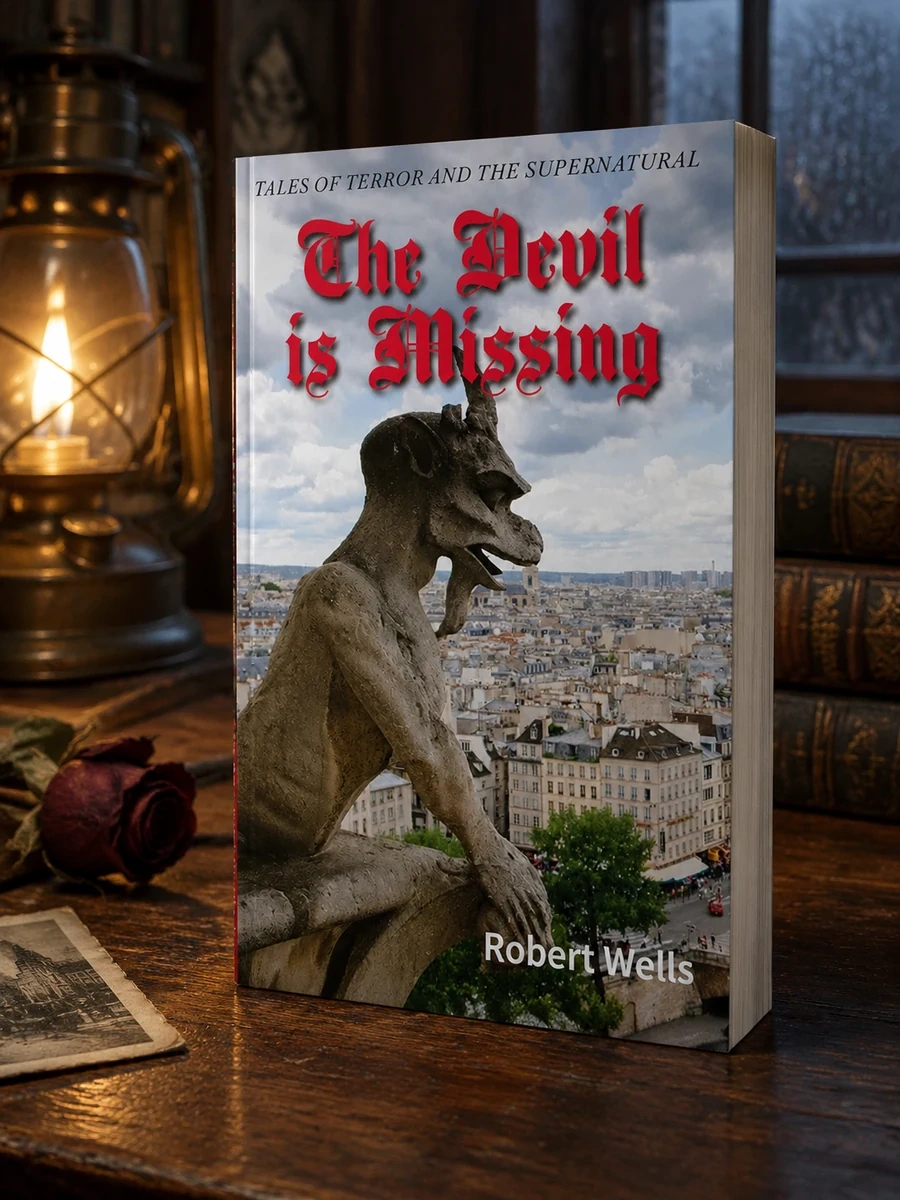
Fourteen chilling short stories by Robert Wells featuring ghosts, monsters, and haunted objects.
This anthology examines the intersection of modern life and ancient evil. Wells uses contemporary settings like television studios and busy roads to ground his horror. The stories often involve a breach in reality, such as a dead wife calling or a sinkhole revealing tunnels. Each narrative focuses on a specific character facing an unavoidable supernatural threat. The collection emphasizes the cost of curiosity and the persistence of past sins. Readers will encounter gargoyle attacks, mirror visions, and subterranean beasts. The tone remains consistently dark without offering relief or redemption.
Published in 2025 by New Generation Publishing, this collection sits within the contemporary horror genre. It reflects modern anxieties through supernatural lenses. The work aligns with American tastes for direct, visceral storytelling. Wells draws on established gothic tropes but updates them for current audiences.


📝 Description: The Devil is Missing
💎 Our verdict on The Devil is Missing
📖 Why choose it
Why this book is worth reading
Readers who prefer concise, high-impact horror will find this collection particularly rewarding. It appeals to those who enjoy short fiction that grounds supernatural threats in tangible, immediate scenarios rather than abstract dread. The book is ideal for audiences seeking clear narratives with tangible consequences, such as haunted architecture or spectral communication, without the commitment of long-form novels. Those interested in the intersection of modern life and ancient evil will appreciate how Wells uses contemporary settings to amplify fear. It suits fans of urban ghost stories who want to explore the cost of curiosity and the persistence of past sins through diverse subjects like gargoyle attacks and subterranean beasts.
⭐ Reader reviews
Reader rating
Robert Wells delivers a tightly wound anthology that excels at maximizing tension within brief formats. By focusing on immediate threats in grounded settings, he avoids the pitfalls of abstract horror, offering readers clear narratives with undeniable stakes. The collection succeeds in its dark tone, providing no relief or redemption for characters facing unavoidable supernatural consequences. It is best suited for enthusiasts of modern ghost stories and urban horror who appreciate specific, visceral scares like mirror visions and monster encounters. While it lacks the scope of historical epics, its strength lies in its ability to evoke dread through familiar, contemporary environments. This book is a solid choice for those seeking chilling short fiction that bridges gothic traditions with present-day anxieties.