Flat-Coat
A couple finds peace in a converted church until dead dogs and missing neighbors disrupt their quiet life.
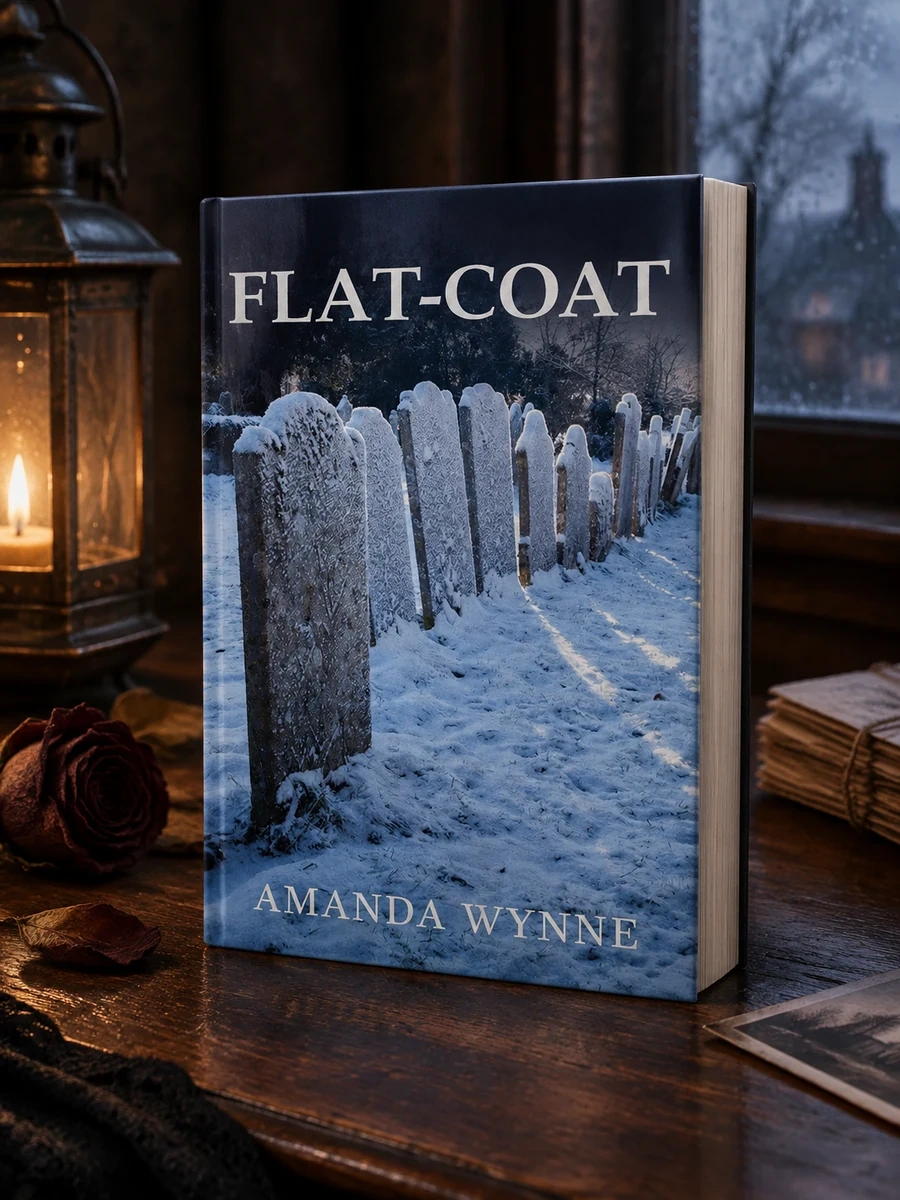
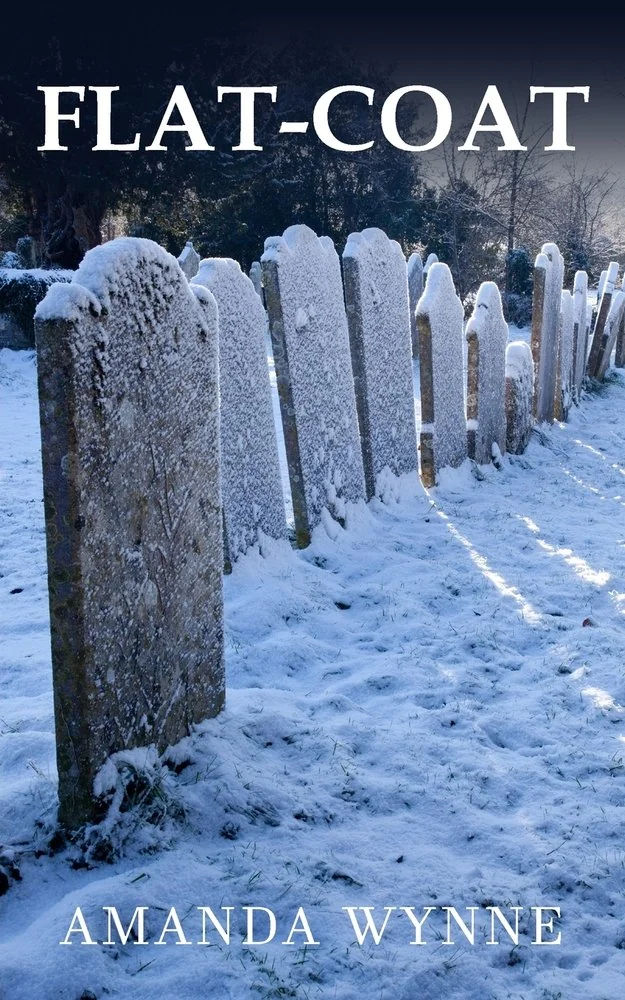
Dol and Matt buy an old church for solitude. They want a simple life with their dogs. The countryside offers silence and space. But the building holds memories. Whispers disturb the night. Sweet scents appear without cause. Neighbors vanish. Ebony meets a ghost dog in the yard. This undead companion has work to do. The plot builds through small, unsettling events rather than large shocks. Wynne focuses on the psychological impact of isolation. The horror comes from the loss of safety in a place meant for peace. The narrative stays close to the couple’s perspective.
The book sits within modern gothic fiction, utilizing the trope of the haunted domestic space. It draws on supernatural traditions where the boundary between the living and dead is porous. The setting in a converted church connects to historical religious architecture repurposed for secular life.


📝 Description: Flat-Coat
💎 Our verdict on Flat-Coat
📖 Why choose it
Why this book is worth reading
Readers seeking immersive atmospheric terror will find value in this narrative, which prioritizes psychological unease over jump scares. Those who appreciate slow-burn horror and the subversion of safe spaces will enjoy the tension between domestic routine and supernatural intrusion. The book appeals to fans of gothic traditions who favor subtle, creeping dread rather than explicit violence. It offers a grounded exploration of isolation, making it suitable for those interested in how setting influences mental state. If you enjoy stories where the environment itself becomes an antagonist through subtle violations of sanctity, this title provides a compelling, unsettling experience that lingers long after the final page.
⭐ Reader reviews
Reader rating
Wynne crafts a potent study of isolation by contrasting domestic normalcy with encroaching horror in a repurposed church. The narrative excels in its use of sensory details—whispers and sweet scents—to build dread without relying on cheap shocks. By focusing on the couple’s psychological impact rather than action, the book achieves a deep sense of violated sanctity. It suits readers who favor atmospheric tension and gothic themes over fast-paced plots. The grounded reality of the setting enhances the supernatural elements, creating a cohesive and unsettling tone. While it lacks resolution for some tastes, its commitment to slow-burn unease makes it a strong entry for enthusiasts of psychological horror and haunted architecture.