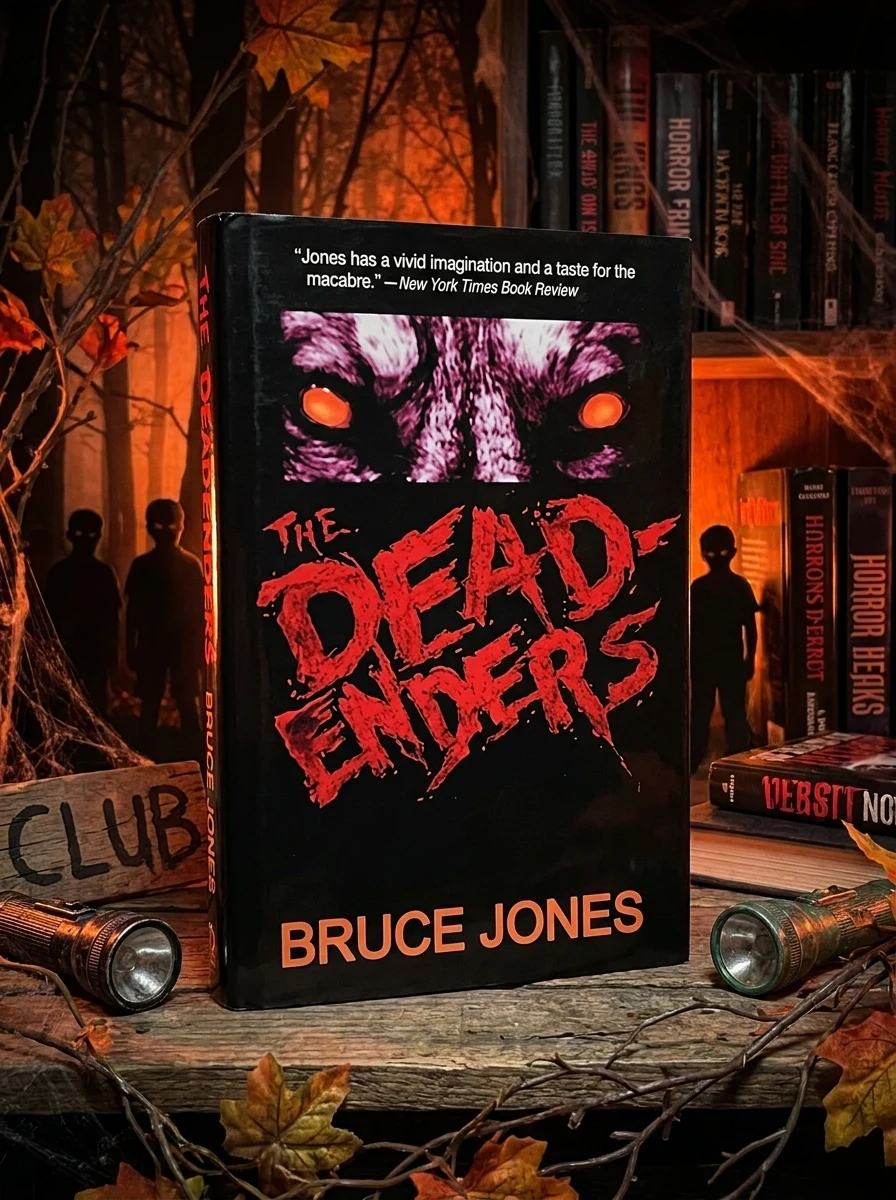

The Deadenders
Four boys enter a haunted forest and trigger terrors that haunt them into adulthood.
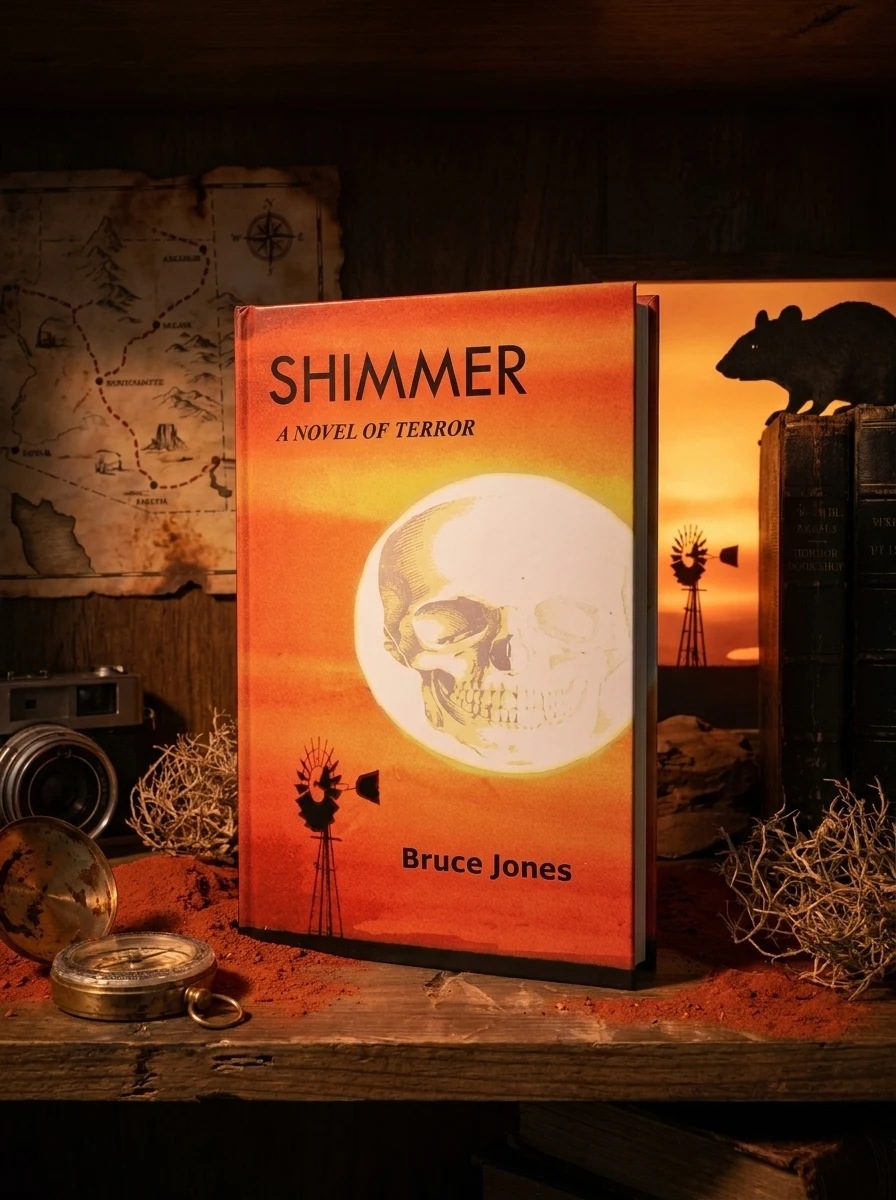
The narrative tracks four best friends who create an exclusive no-girls-allowed club named The Deadenders. They venture into Midwestern woods with a specific mission to secure their bond. A magical place awaits them there, combining desire and fear. An unseen presence stalks them during this walk. This encounter forces rapid maturation and introduces lasting terrors. Jones uses this premise to examine how childhood friendships fracture or strengthen under supernatural pressure. The story does not offer easy answers but focuses on the psychological weight of their shared secret and the lingering dread that follows them forward.
This work sits within the tradition of American horror fiction focusing on rural or Midwestern settings. It draws on gothic tropes where isolated woods serve as a labyrinth for psychological terror. The narrative reflects periods where childhood exploration turns into adult trauma, using the forest as a site for unspeakable events.


📝 Description: The Deadenders
💎 Our verdict on The Deadenders
📖 Why choose it
Why this book is worth reading
Readers who appreciate atmospheric, psychological horror will find this narrative compelling for its exploration of the fragile bond between childhood friends under supernatural pressure. The book offers a deep dive into the loss of innocence, capturing the specific dread that follows individuals from their youth into adulthood. It is ideal for those who prefer stories focusing on emotional resonance and lingering unease rather than jump scares or clear resolutions. Fans of gothic themes involving secret societies and isolated woods will appreciate the tight focus on how a single pivotal moment can fracture or strengthen relationships permanently.
⭐ Reader reviews
Reader rating
Bruce Jones delivers a tightly focused narrative that excels in building psychological tension through the lens of childhood friendship. The atmosphere of the Midwestern woods serves as an effective catalyst for exploring the transition from innocence to adult fear. While it lacks lighthearted adventure, its strength lies in depicting the lasting weight of shared secrets. This book suits readers who enjoy slow-burn horror and character-driven plots where the terror is internal and persistent. It avoids easy answers, offering instead a haunting examination of how early experiences shape future dread. Those seeking clear resolutions may find it too ominous, but fans of gothic fiction will appreciate its nuanced portrayal of hidden dangers.