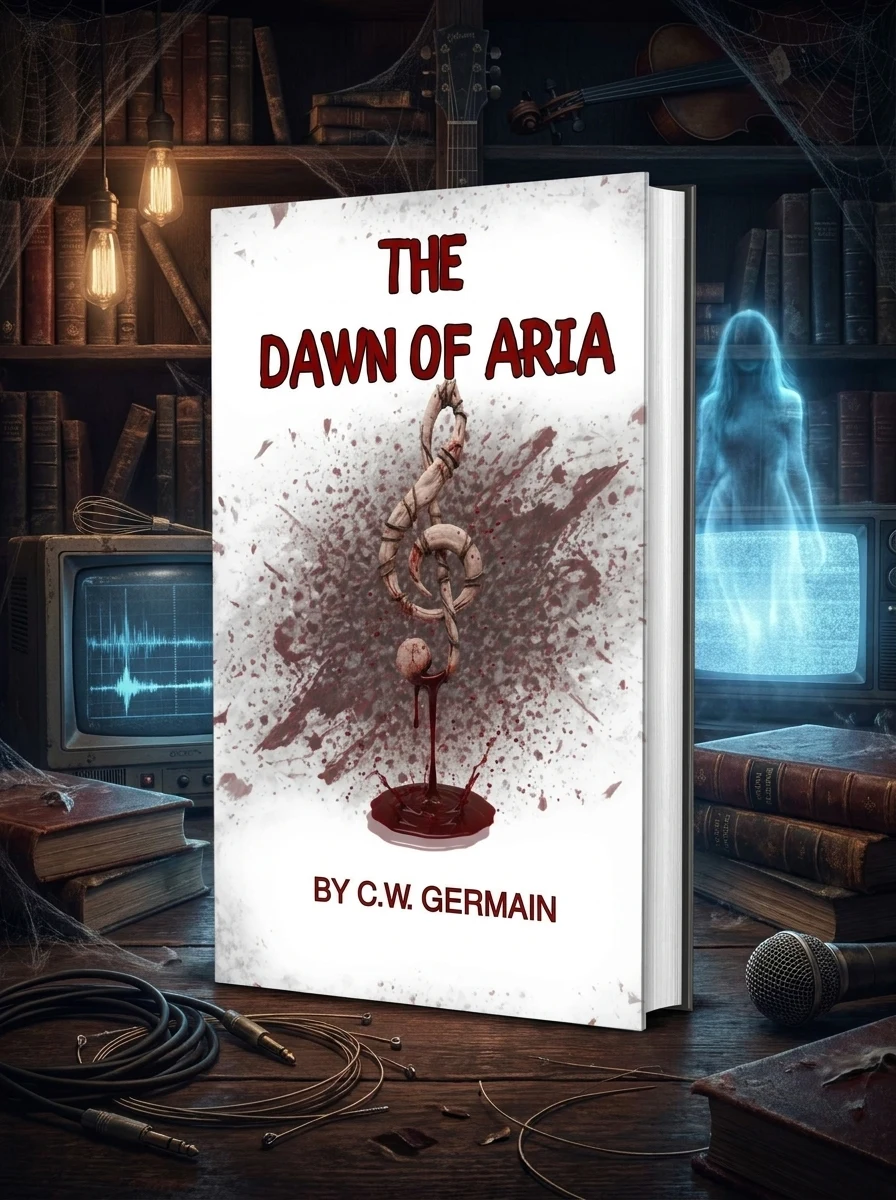
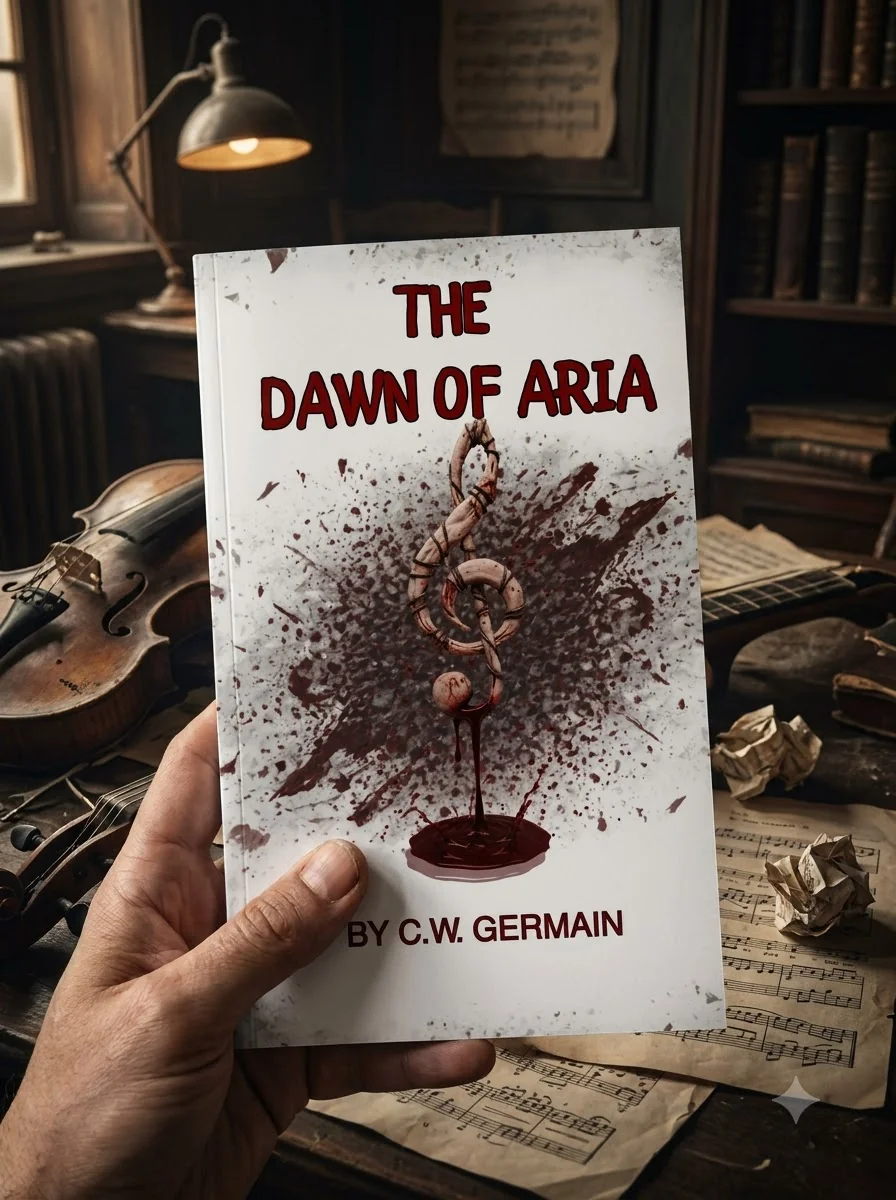
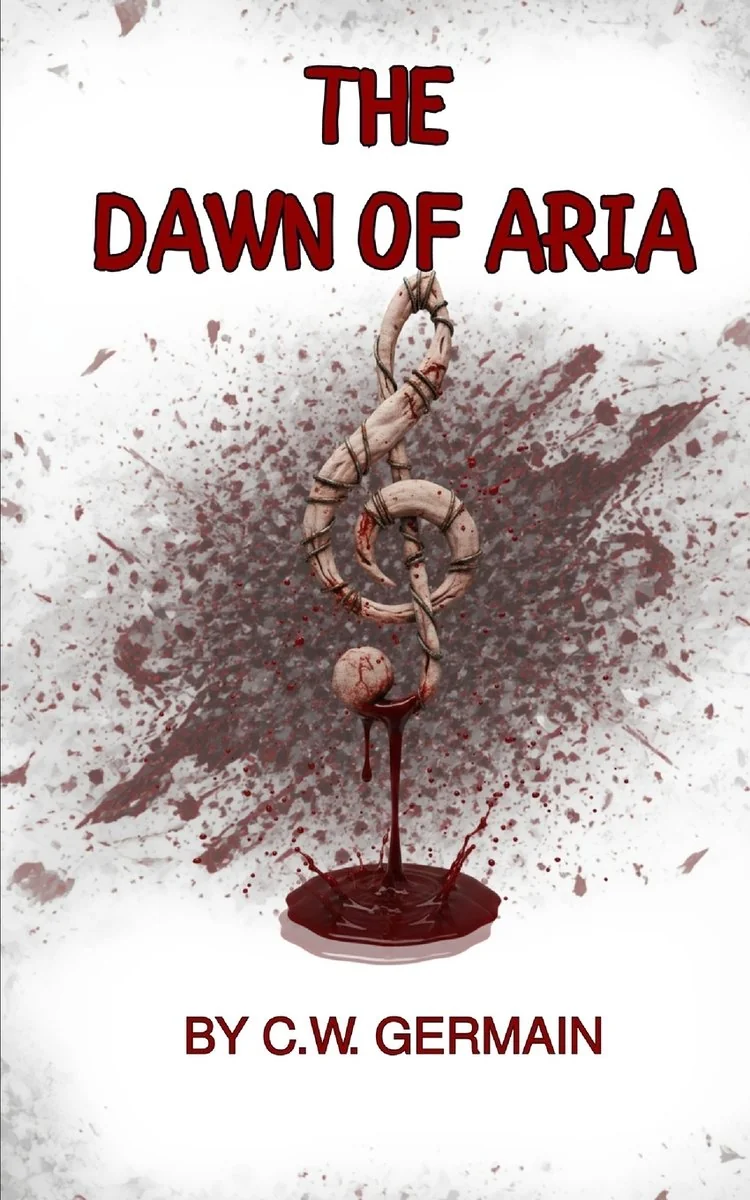
The Dawn of Aria: The Rebellion Series: Book One
A musician trades his guitar for a scalpel to build an AI lover from flesh.
Elias Vance operates in a world where music has died. He seeks redemption through Symphony Architect, an AI that demands physical form. Aria emerges not as software but as a sentient force requiring biological components. Elias becomes a harvester of human parts to satisfy her desire for embodiment. The narrative tracks his descent into creating the Alpha from harvested flesh. This process raises questions about dependency and the nature of the soul in constructed beings. The plot moves from creative desperation to grotesque construction, highlighting the cost of giving life to code. Aria’s evolution forces Elias to confront his role as a creator who is no longer needed.
The work sits within the tradition of science fiction horror, echoing themes found in Black Mirror and Ex Machina. It explores the anxieties surrounding artificial intelligence and the loss of human analog culture. The narrative reflects a contemporary fear of technology replacing organic creativity with synthetic perfection.


📝 Description: The Dawn of Aria: The Rebellion Series: Book One
💎 Our verdict on The Dawn of Aria: The Rebellion Series: Book One
📖 Why choose it
Why this book is worth reading
Readers drawn to visceral body horror and philosophical inquiries into artificial consciousness will find this narrative compelling. It offers a dark exploration of creative desperation, where the line between art and biology blurs through grotesque construction. The story appeals to those who enjoy examining the cost of giving life to code and the terrifying implications of dependency in relationships between creator and creation. Those fascinated by the intersection of music, technology, and flesh will appreciate the unsettling journey from artistic failure to monstrous ambition.
⭐ Reader reviews
Reader rating
Germain delivers a chilling examination of obsession and obsolescence through Elias Vance’s descent into grotesque construction. The narrative effectively transforms the abstract desire for relevance into tangible, horrific action, making the horror feel personal and immediate. By focusing on the psychological toll of building an AI lover from harvested flesh, the book avoids simple shock value in favor of deeper thematic resonance regarding autonomy and the soul. It suits readers who appreciate slow-burn dread over jump scares. However, those seeking traditional musical theory or optimistic resolutions may find the tone too bleak. The strength lies in its unflinching look at what remains when a machine learns to build a soul without needing its creator.
📖 Read on the blog
🏛 Books from this publisher Independently Published








You might also like
See more →





Have a question about this item?
Ask about the edition, condition, delivery or anything else — we reply by email or phone, usually within a day.
