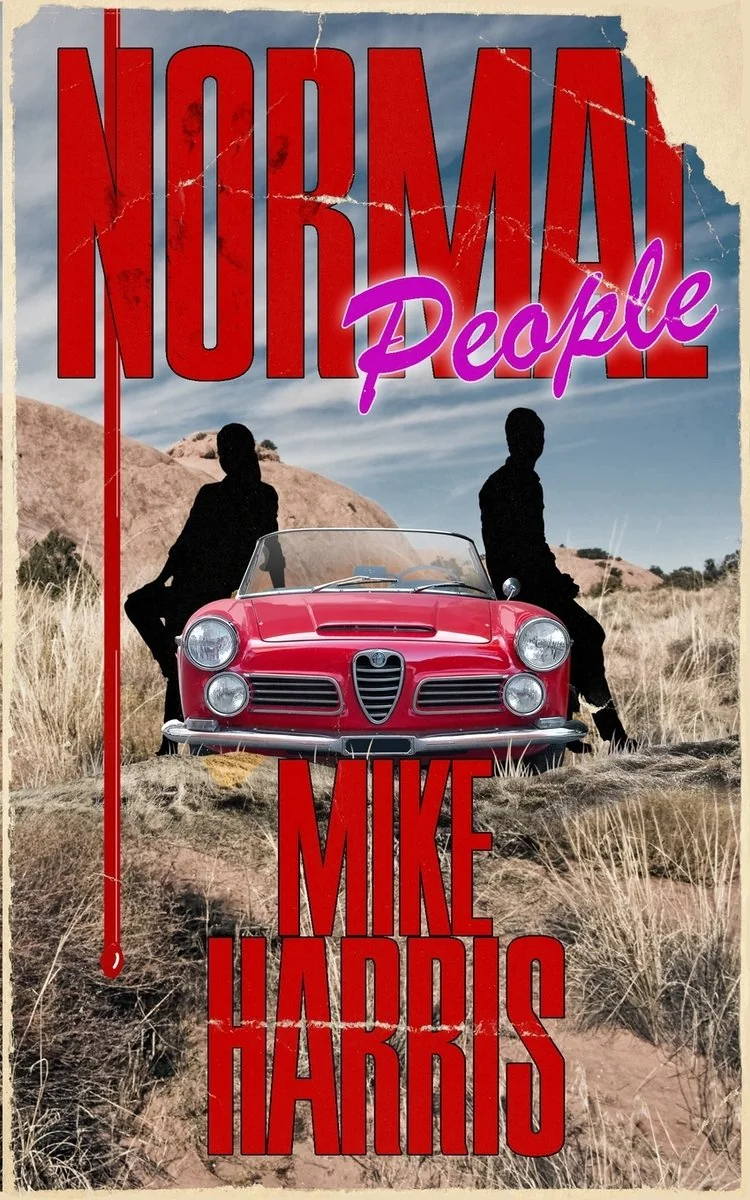
Normal People
A chilling look at toxicity disguised as ordinary love.
This work investigates the hidden rot beneath standard relationships. Harris dissects the bond between Retch and Suzie to reveal how love can become a mechanism for control. The story does not rely on external threats but instead turns inward to examine the self-inflicted wounds of intimacy. It challenges the reader to recognize the horror in familiar faces and daily routines. The narrative structure mirrors the gradual erosion of trust and autonomy in abusive partnerships. By focusing on the mundane, the author amplifies the terror of being trapped in a seemingly perfect life.
Published in 2026 by Independently Published, this title sits within the modern landscape of psychological horror. It reflects a current trend in genre fiction that prioritizes realistic anxiety over supernatural spectacle. The work engages with contemporary discussions about relationship dynamics and mental health in everyday American life.


📝 Description: Normal People
💎 Our verdict on Normal People
📖 Why choose it
Why this book is worth reading
Readers seeking a visceral exploration of toxicity disguised as ordinary love will find this book deeply resonant. It is ideal for those who appreciate horror that turns inward, examining the self-inflicted wounds of intimacy and the gradual erosion of trust in abusive partnerships. Those interested in psychological horror and contemporary critiques of domestic dynamics will gain from its chillingly relatable portrayal of toxic relationships. The book appeals to audiences who prefer grounded, realistic styles over sensationalism or fast-paced action. It offers a slow-burning autopsy of control, challenging readers to recognize the horror in familiar faces and daily routines without relying on external threats or supernatural monsters.
⭐ Reader reviews
Reader rating
Harris delivers a masterful study of dysfunction by focusing on the couple living down the hall and the person passed at the grocery store. The narrative avoids sensationalism, opting instead for a chillingly relatable examination of how normalcy masks deep interpersonal rot. This approach amplifies the terror of being trapped in a seemingly perfect life, making it particularly effective for fans of psychological horror. Readers who enjoy slow-burning tension and complex character dynamics will find this work unsettling yet rewarding. It is best suited for those willing to engage with difficult themes of control and autonomy within intimate relationships.