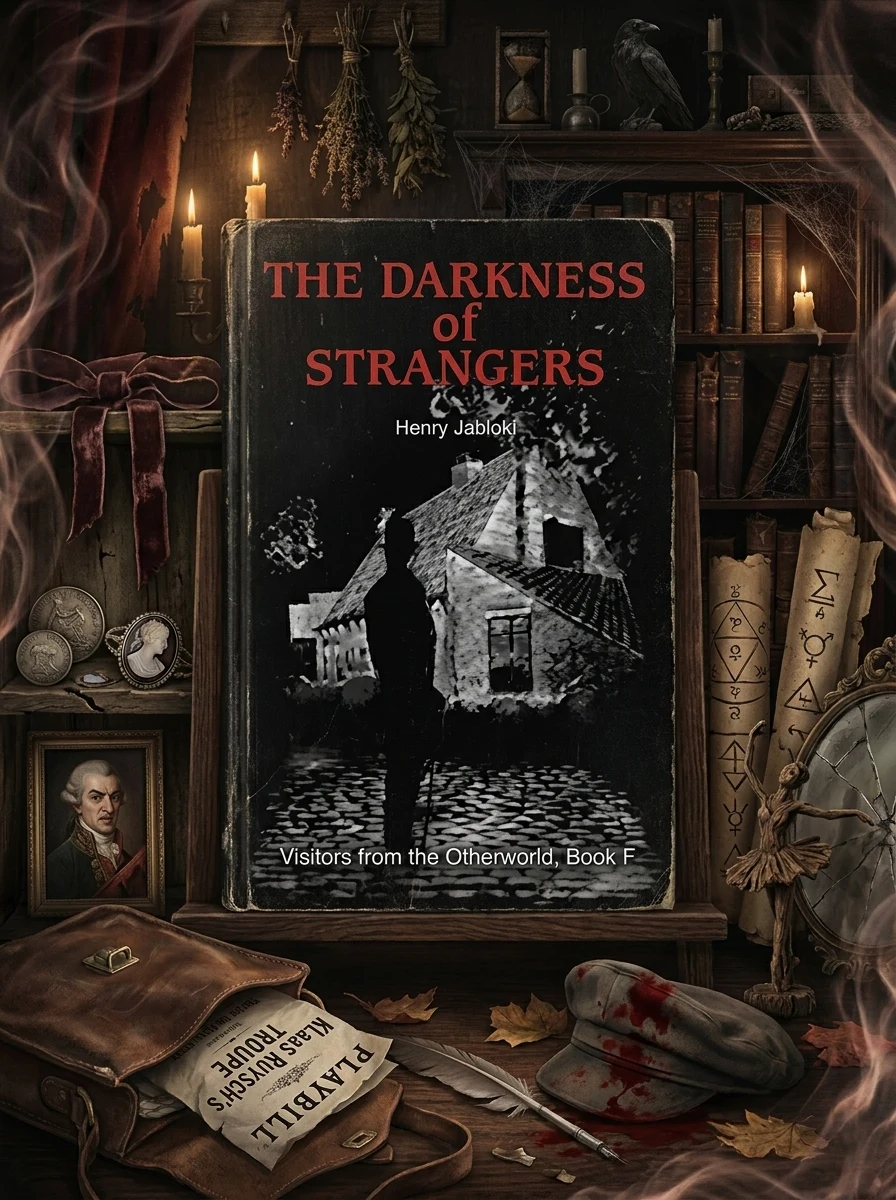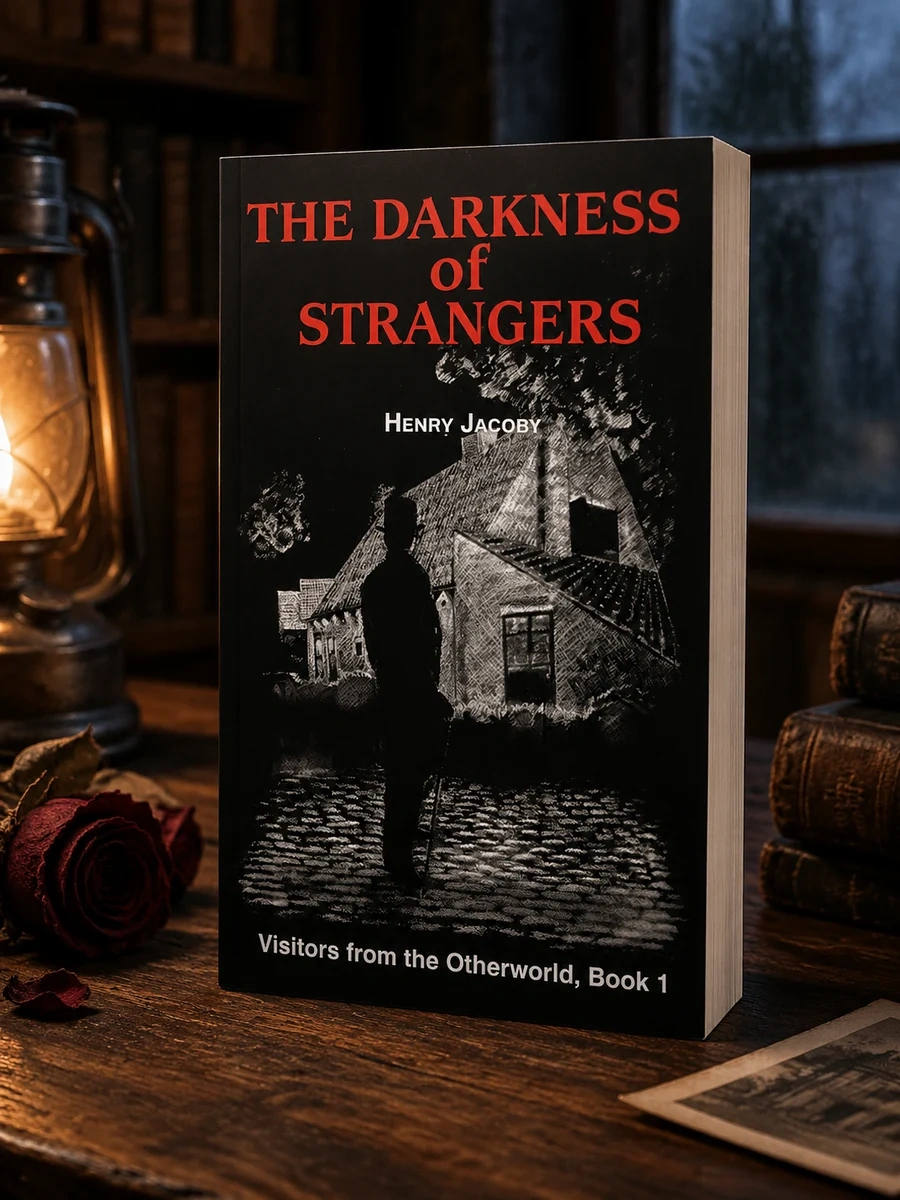
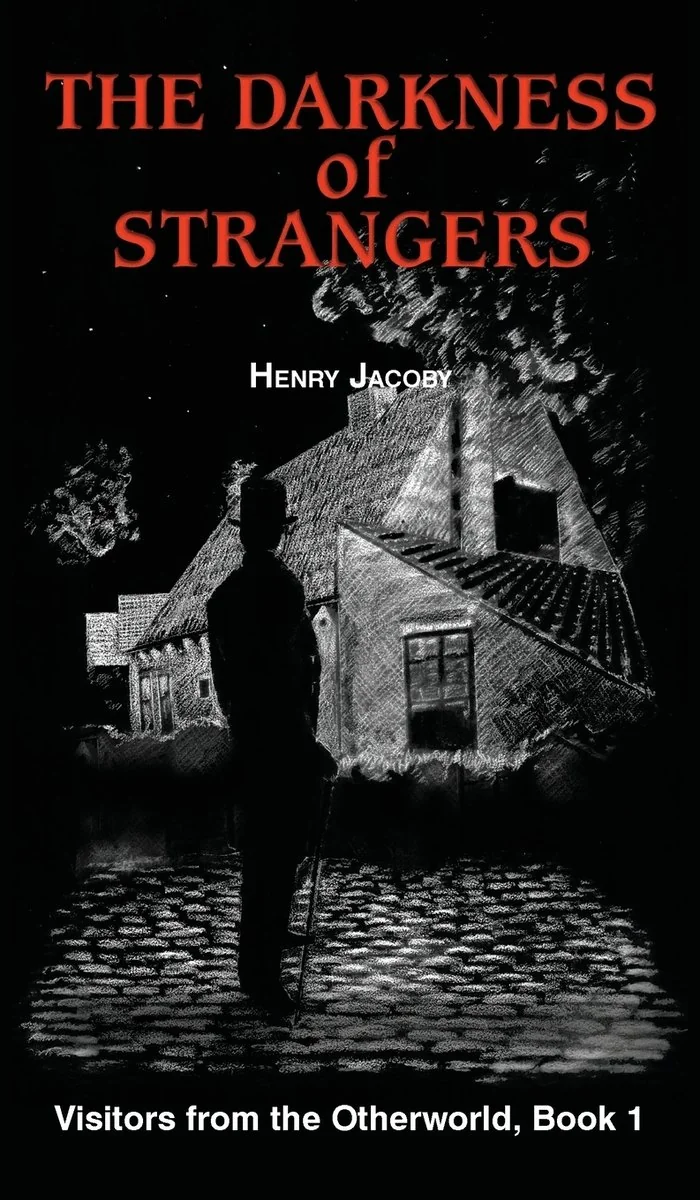
The Darkness of Strangers
A gothic horror tale of two victims turned monsters fighting a night goddess in Ohio.
Jacoby structures this novel around the parallel sufferings of Marie LaRocque and Julian DeVries. Their shared trauma transports them to the Otherworld, shaping their roles as supernatural entities. The plot moves from 16th-century France and 19th-century Amsterdam to contemporary Ohio. Jacoby qualifies his work through detailed historical settings and mythological world-building. The story examines how divine cruelty creates monstrous servants who retain human agency. It contrasts the brutality of past events with the urgent danger of a present-day threat. The narrative focuses on the romantic and conflict-driven relationship between a vampire and a demon sorcerer.
The story anchors itself in Lyon, France, 1504, and Amsterdam, 1821, before moving to Wayvern Falls, Ohio. It draws on European gothic traditions and religious horror elements. The narrative blends historical fiction with supernatural mythology, creating a bridge between past trauma and present-day mythical conflict.


📝 Description: The Darkness of Strangers
💎 Our verdict on The Darkness of Strangers
📖 Why choose it
Why this book is worth reading
Readers interested in gothic horror and dark fantasy will find this novel compelling due to its unique blend of historical trauma and supernatural conflict. The narrative spans centuries, moving from 16th-century France to 19th-century Amsterdam and finally to contemporary Ohio, offering a rich tapestry of mythological constructs. Those who appreciate detailed historical settings over modern urban fantasy tropes will value the depth of world-building. The story examines how divine cruelty creates monstrous servants who retain human agency, providing a complex exploration of romantic and conflict-driven relationships between a vampire and a demon sorcerer. It is ideal for those seeking atmospheric horror that contrasts past brutality with present-day danger.
⭐ Reader reviews
Reader rating
Jacoby delivers a dense, atmospheric tale that prioritizes mythological depth over conventional plot mechanics. The parallel sufferings of Marie LaRocque and Julian DeVries create a compelling foundation for exploring divine horror and human resilience. By grounding supernatural elements in specific historical contexts like Lyon and Amsterdam, the author avoids the pitfalls of generic urban fantasy. The focus on the romantic and conflict-driven relationship between a vampire and a demon sorcerer adds emotional weight to the cosmic horror. However, the text demands patience from readers expecting lighthearted paranormal romance. It suits those who enjoy dark themes, violent origins, and intricate world-building. The narrative’s strength lies in its refusal to simplify the intersection of trauma and monstrosity.