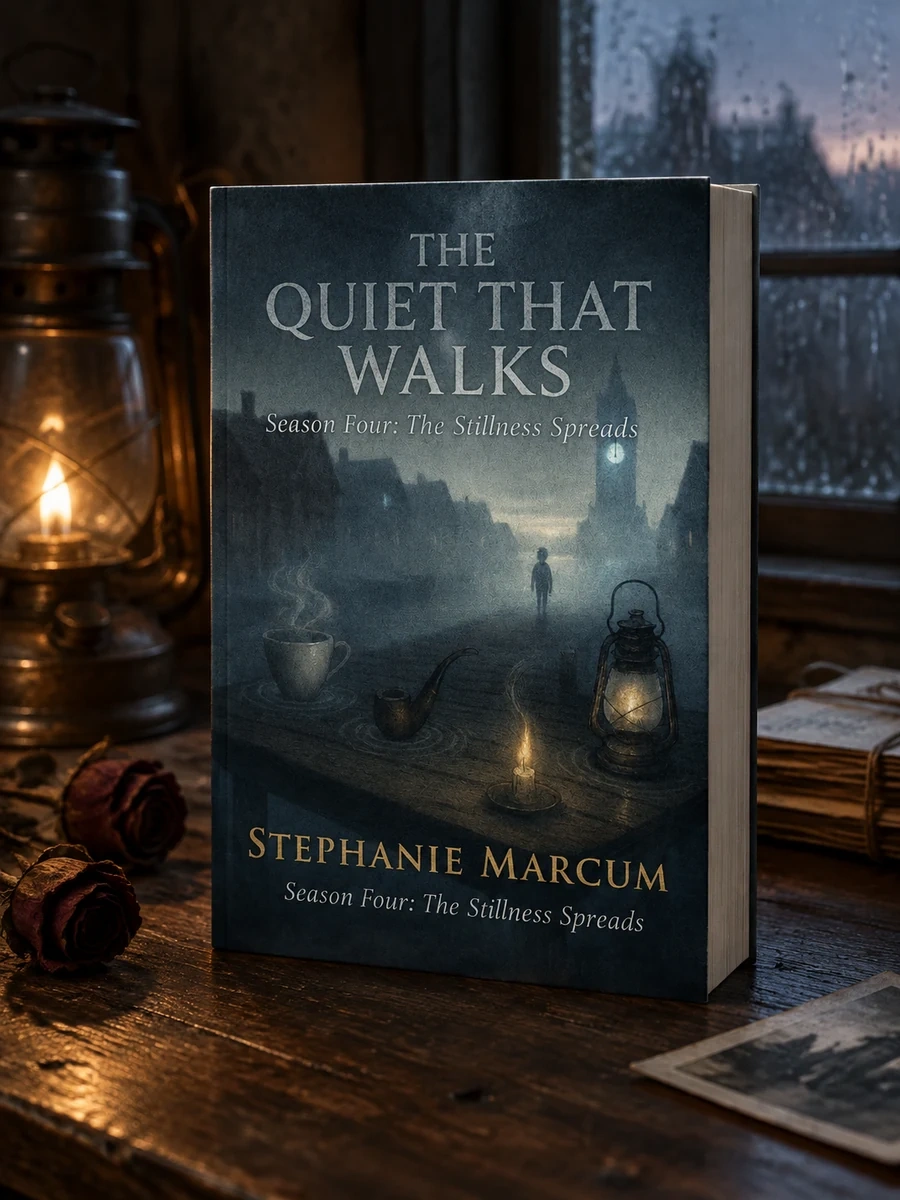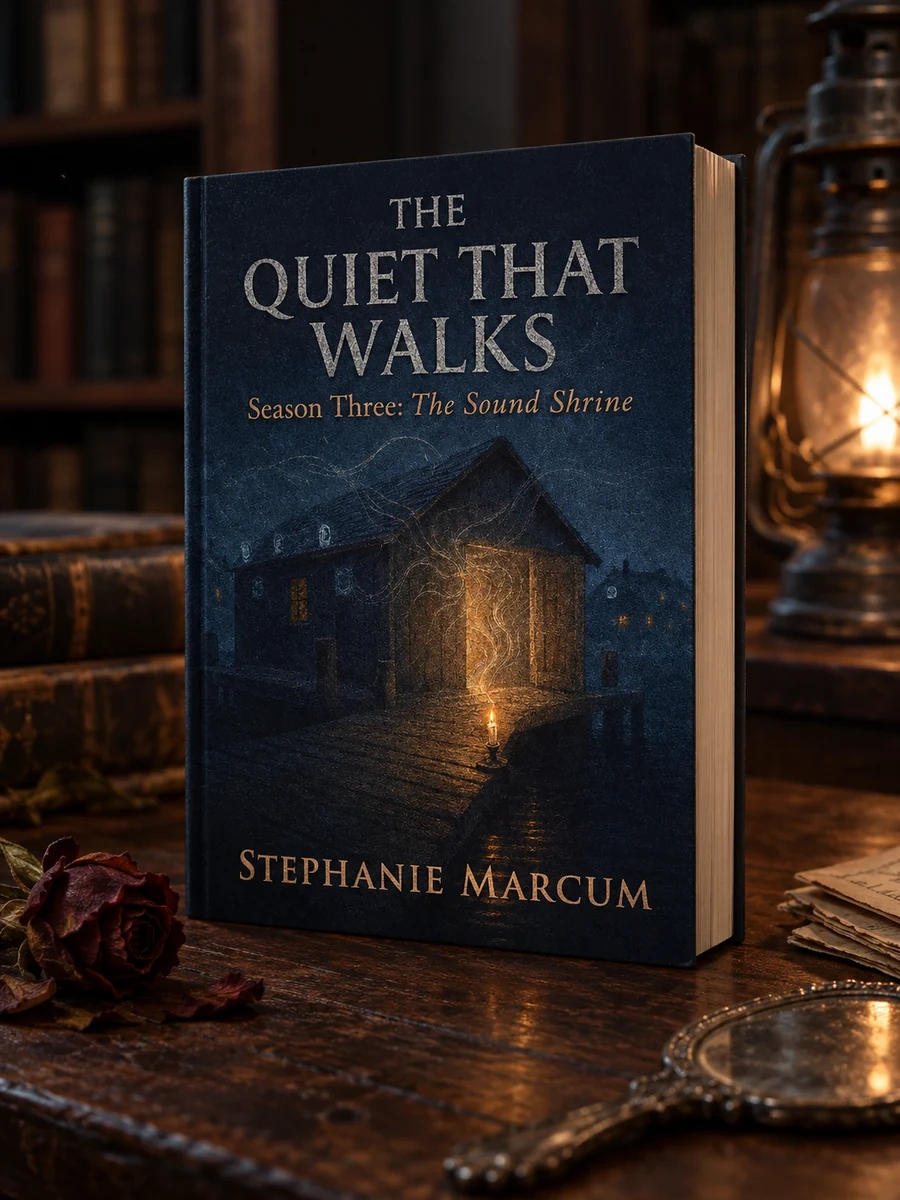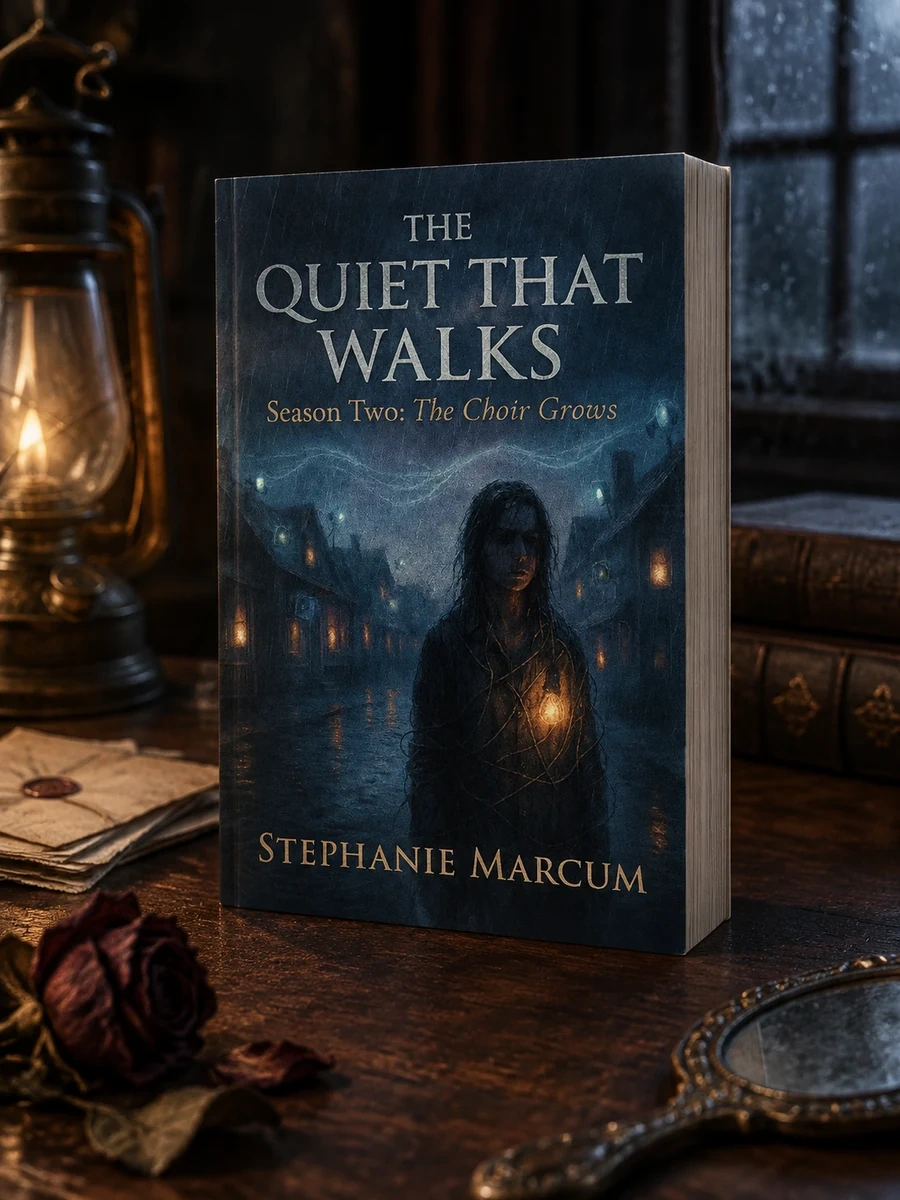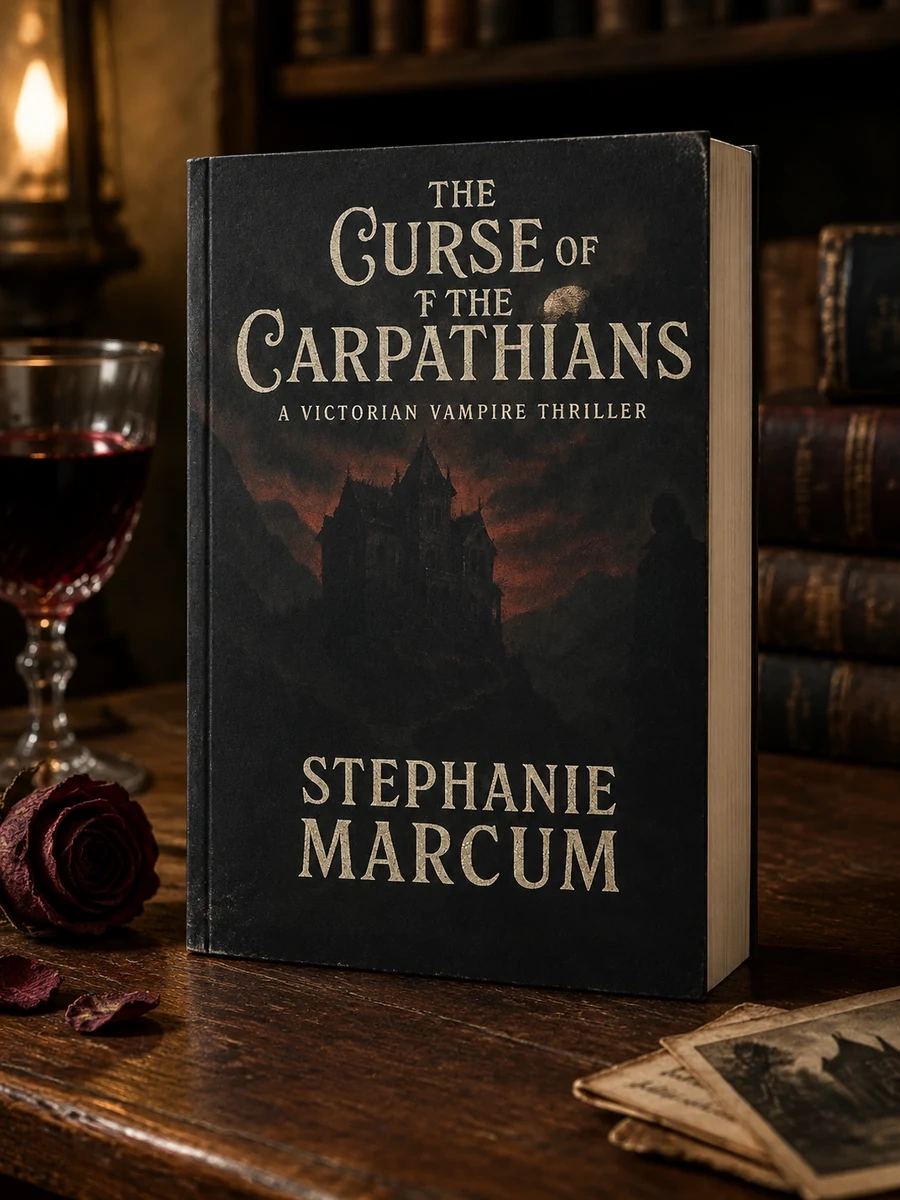
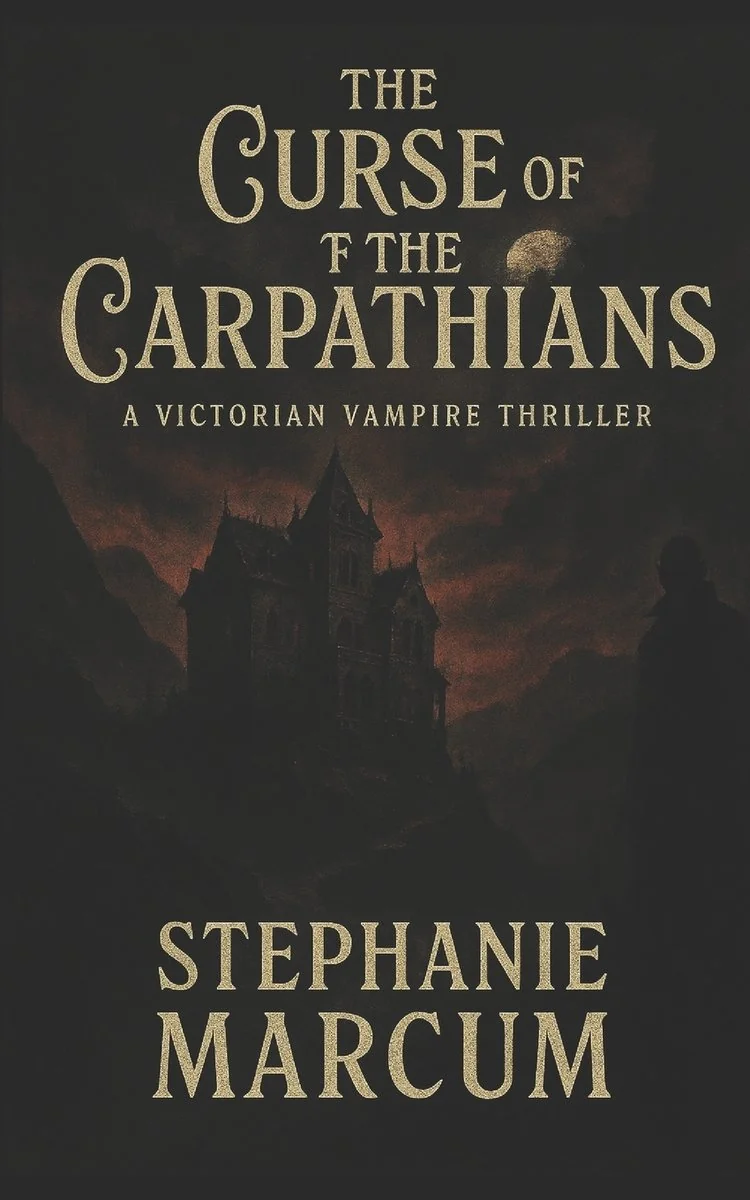
The Curse of the Carpathians
A collection of interconnected Victorian gothic tales by Stephanie Marcum.
Marcum structures this work as a series of linked narratives rather than a single continuous plot. Each story operates independently while contributing to a broader examination of cursed bloodlines. The Alexander estate storyline centers on familial defiance against dark pacts. The Blackridge narrative investigates how inherited secrets lead to betrayal. These plots utilize the aesthetic of gaslight and fog to establish mood. The author relies on established vampire lore and gothic tropes to drive the tension. The interconnected nature allows themes of legacy and damnation to resonate across different characters and locations without overlapping plot points.
This book sits within the tradition of Victorian horror fiction. It utilizes the era's aesthetic of gaslit streets and foggy towns. The work draws on supernatural hunger and gothic thriller conventions. It reflects the period's fascination with hidden darkness beneath social privilege.


📝 Description: The Curse of the Carpathians
💎 Our verdict on The Curse of the Carpathians
📖 Why choose it
Why this book is worth reading
Readers who appreciate atmospheric fiction and the slow-burn tension of gothic horror will find this collection deeply rewarding. The book offers a compelling examination of legacy, damnation, and the thin line between salvation and destruction through interconnected narratives. Those drawn to vampire lore and psychological thrillers set in the Victorian era will enjoy the exploration of how wealth and privilege conceal ancient curses. It is ideal for those who prefer haunting revelations over fast-paced action, providing a chilling immersion into gaslit terror and supernatural hunger.
⭐ Reader reviews
Reader rating
Marcum effectively weaves distinct yet linked narratives to create a cohesive exploration of cursed bloodlines within the Victorian setting. The use of gaslight and fog establishes a potent mood, grounding the supernatural elements in a tangible historical context. While the slow-burn tension may not suit those seeking modern settings or rapid action, the work succeeds in delivering chilling atmosphere and high stakes. It appeals strongly to fans of gothic thrillers who enjoy destiny exerting a relentless pull on characters across different locations. The interconnected structure allows themes of betrayal and inherited secrets to resonate without overlapping plots.