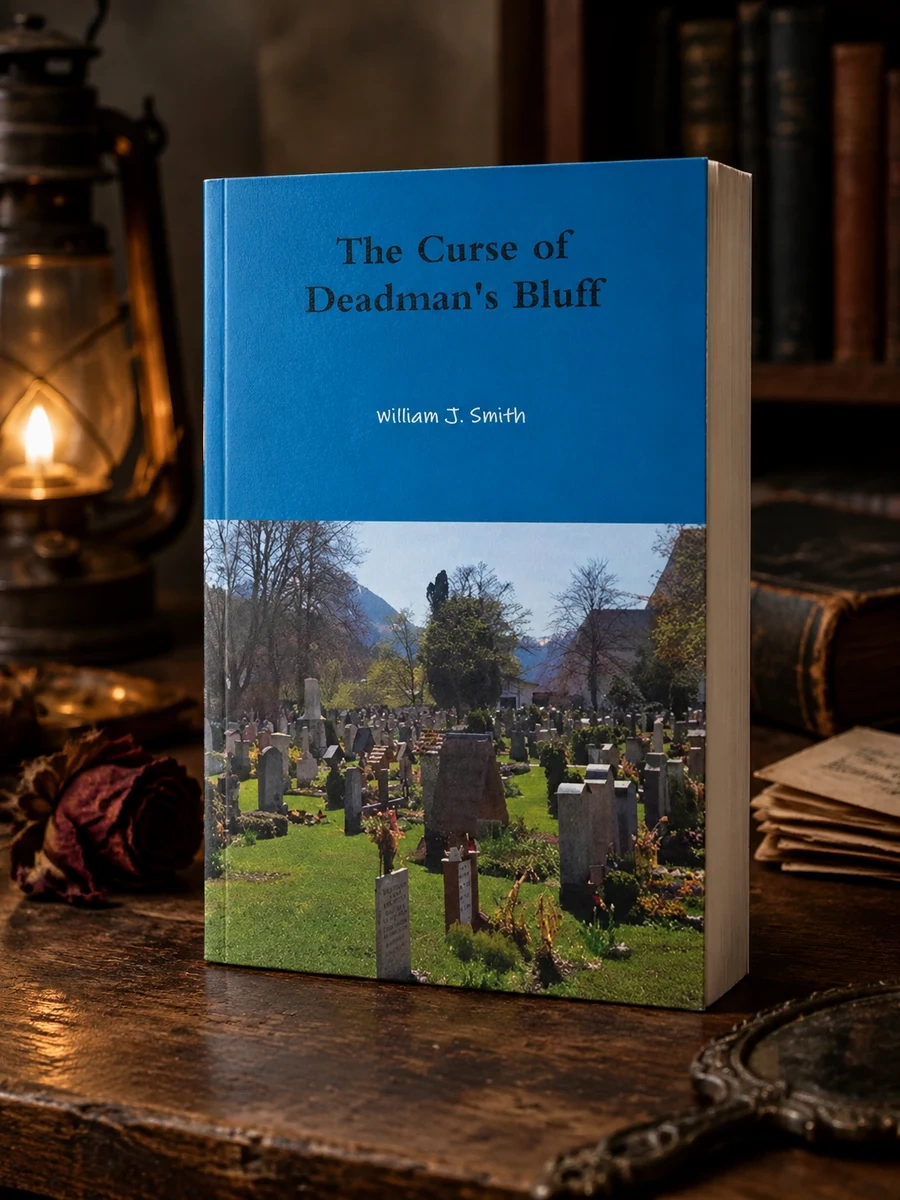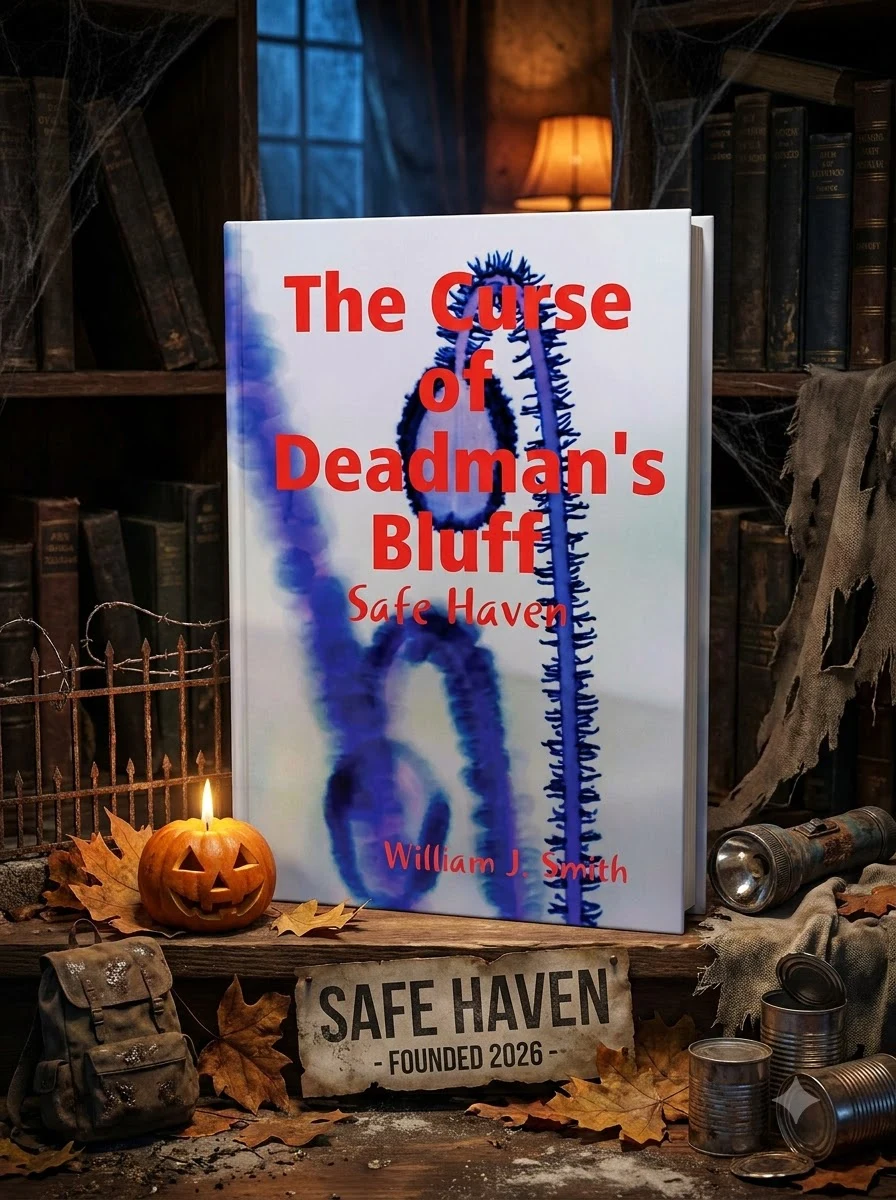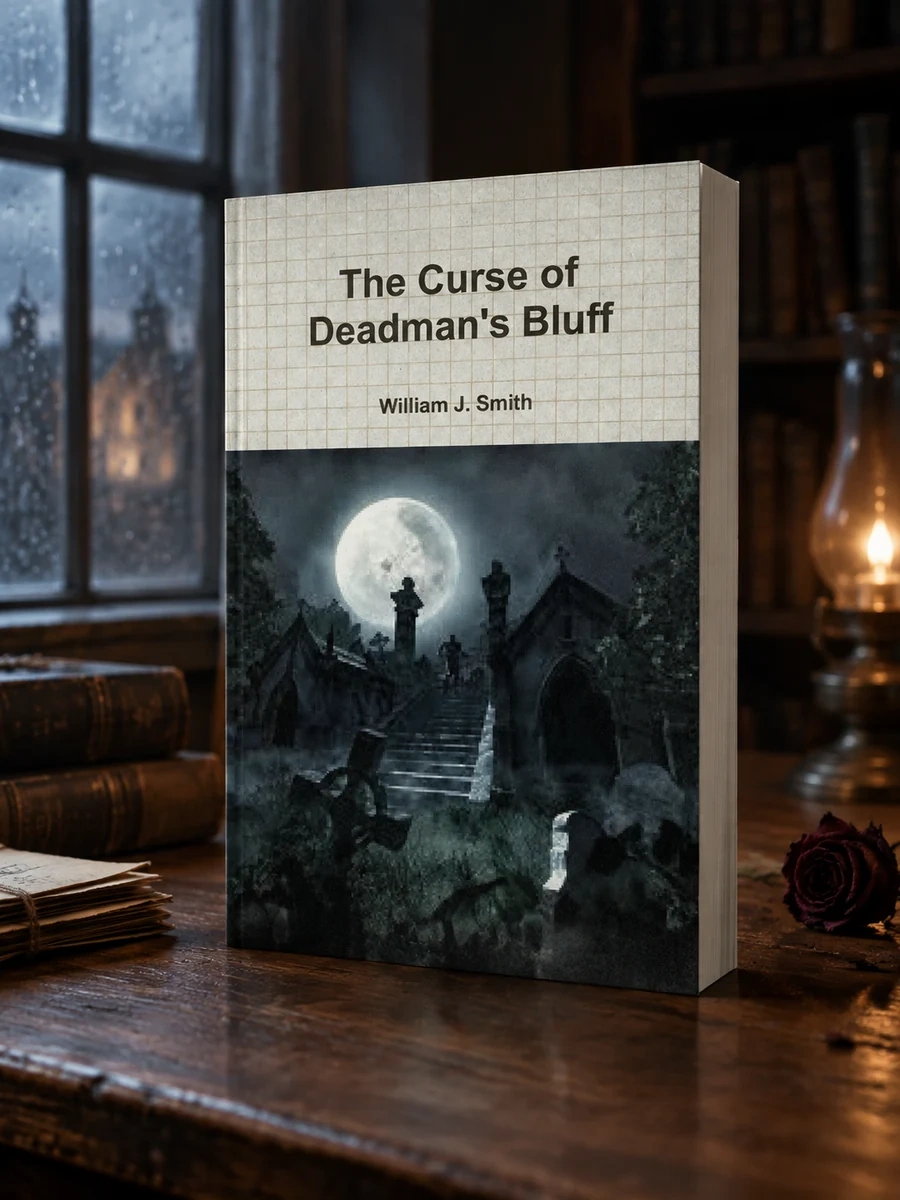
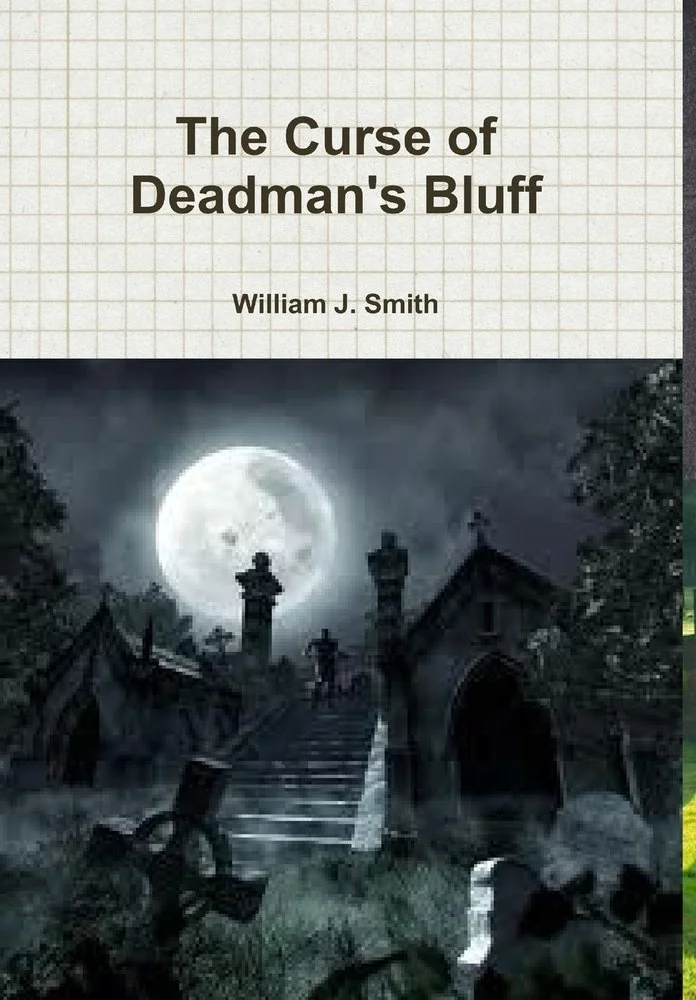
The Curse of Deadman's Bluff
A voodoo curse from 1920s Ohio returns to plague Springdale in 2025.
Smith explores the lingering effects of a lynching committed against Michael Westerly. The author connects early twentieth-century occult practices with contemporary survival scenarios. The narrative structure moves from the initial crime in the 1920s to the crisis point in 2025. This approach highlights the continuity of fear within the community. The Smith family serves as the primary perspective for the modern timeline, forcing them to deal with the consequences of Westerly's actions. The book does not offer easy resolutions but focuses on the struggle for survival against a supernatural threat rooted in local history.
The story is set in Springdale, Ohio, a middle-class town outside Cincinnati. It bridges the early 1920s and the summer of 2025. The narrative draws on American small-town folklore and voodoo traditions to create a sense of localized dread.


📝 Description: The Curse of Deadman's Bluff
💎 Our verdict on The Curse of Deadman's Bluff
📖 Why choose it
Why this book is worth reading
Readers who appreciate horror rooted in specific local histories and the lingering impact of past sins will find this narrative compelling. The book offers a grim, atmospheric exploration of how historical violence manifests in modern times through supernatural means. It is ideal for those interested in the intersection of occult traditions and contemporary survival scenarios. Fans of psychological horror that focuses on community secrets and the tension between a town's peaceful exterior and its violent interior will engage with this story. However, it is not suited for those seeking lighthearted entertainment or purely scientific explanations for supernatural events.
⭐ Reader reviews
Reader rating
The book effectively blends early twentieth-century occult practices with modern survival horror, creating a tense narrative that bridges the gap between past and present. Smith’s focus on the continuity of fear within a specific community adds depth to the traditional zombie apocalypse trope. The structure, moving from the 1920s lynching to the 2025 crisis, highlights the enduring consequences of historical injustice. While the tone is undeniably grim and lacks easy resolutions, this commitment to a dark, unresolved ending serves the thematic core of the story. It best suits readers who enjoy regional horror and narratives where local history actively shapes the present supernatural threat.