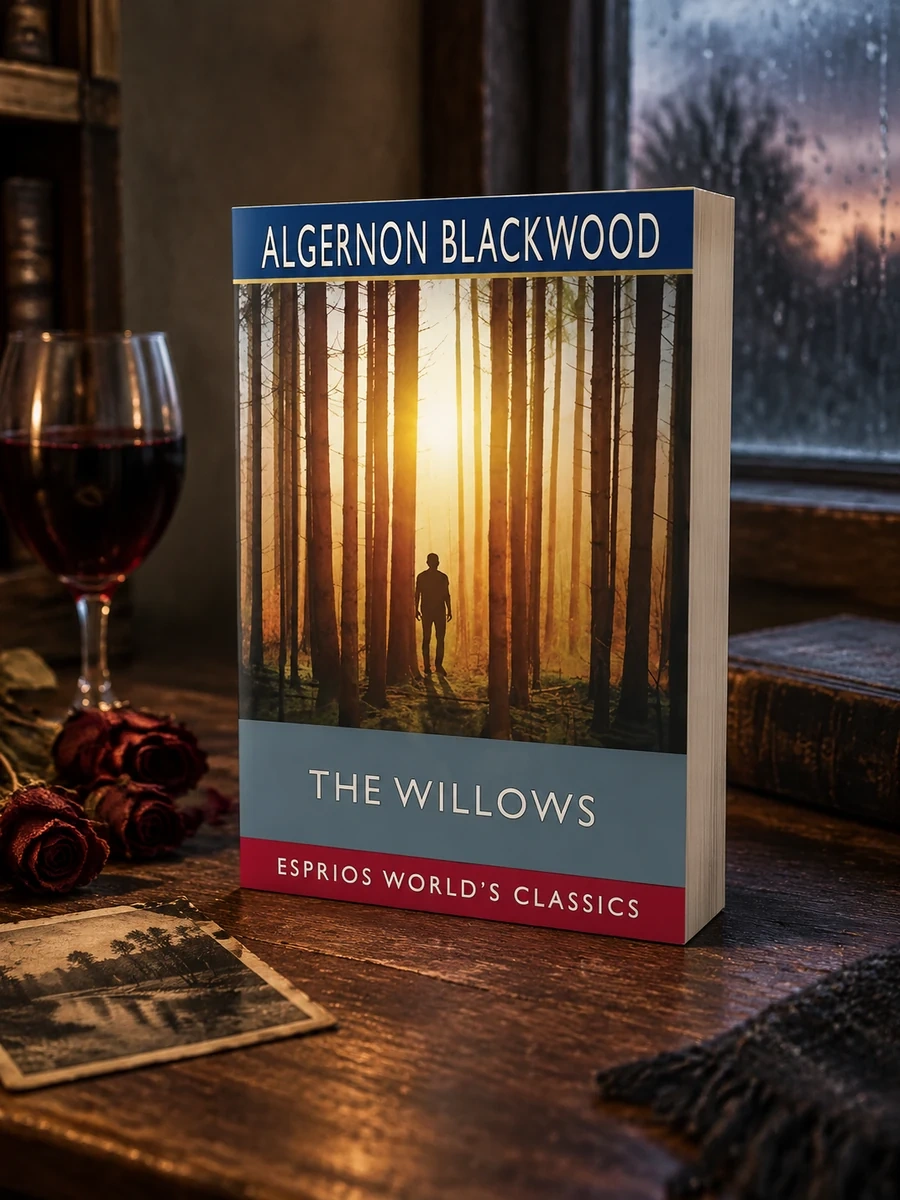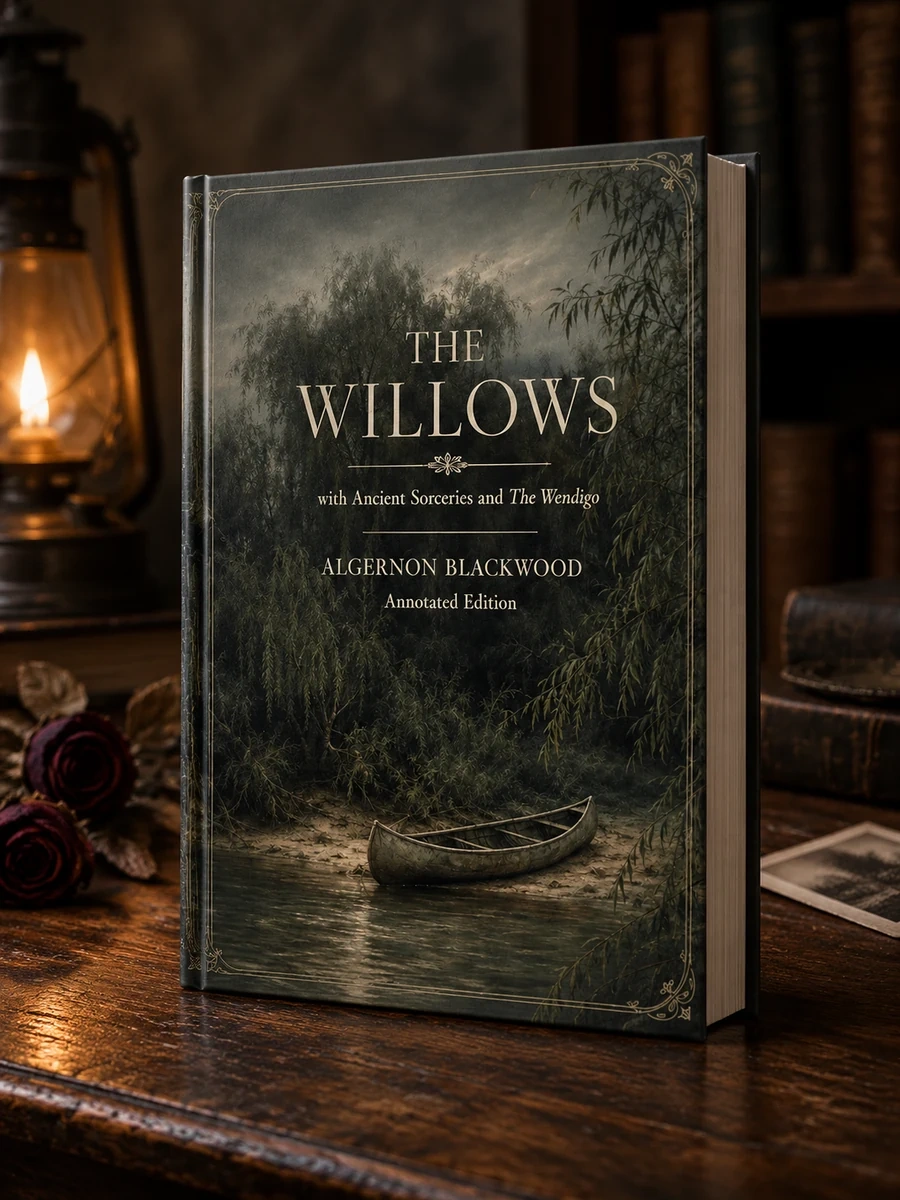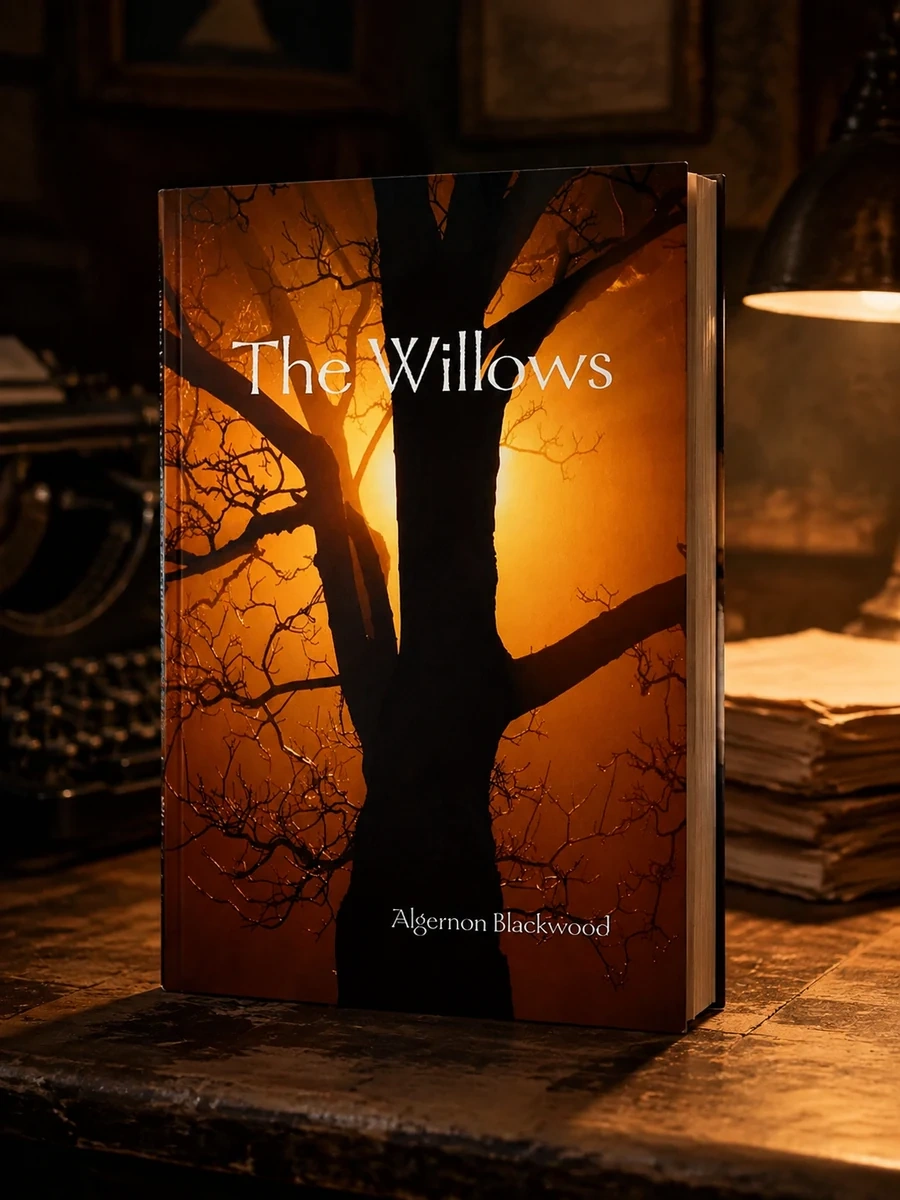
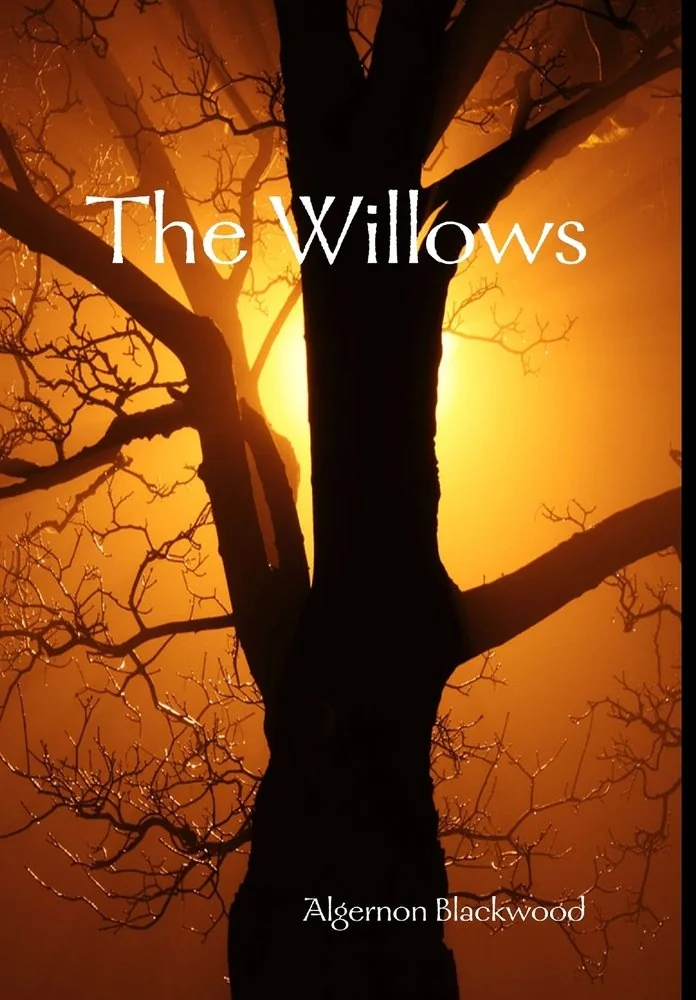
The Willows
A canoe trip down the Danube becomes a nightmare of sentient nature.
Algernon Blackwood crafts a tale where the landscape itself acts as an antagonist. The protagonists face not human villains, but the menacing presence of willows that seem to possess independent life. This approach defines the weird fiction tradition, blending natural observation with supernatural terror. Lovecraft’s high regard for this specific novella highlights its unique position in horror history. The inclusion of additional works like The Wendigo offers a broader look at Blackwood’s thematic interests. Readers encounter a slow-building sense of isolation and vulnerability. The story does not rely on jump scares but on the uncanny quality of the natural world. This edition presents these texts for modern audiences to experience the original impact.
The Willows represents early modern horror within the literary tradition of weird fiction. It bridges 19th-century gothic sensibilities with 20th-century psychological terror. Blackwood’s work influenced later authors like Lovecraft, shaping the genre’s focus on cosmic dread and environmental menace.


📝 Description: The Willows
💎 Our verdict on The Willows
📖 Why choose it
Why this book is worth reading
Readers seeking a slow-building sense of isolation and vulnerability will find deep satisfaction in this work. It appeals to those who appreciate detailed descriptions of nature turning against humanity, offering a unique perspective where the landscape acts as the primary antagonist. The book is ideal for fans of gothic atmosphere and classic weird fiction who enjoy psychological horror over traditional monster tropes. By focusing on sensory details and environmental pressure, Blackwood creates an uncanny quality that defines the narrative. This collection provides modern audiences with the original impact of these texts, allowing them to experience the menacing presence of sentient willows. It is a essential read for those interested in the thematic interests of early supernatural fiction and the psychological impact of hostile environments.
⭐ Reader reviews
Reader rating
Algernon Blackwood crafts a masterful tale where the Danube River and its dense willows possess threatening agency, creating an atmosphere of deep dread. The narrative avoids jump scares, relying instead on the uncanny quality of the natural world to build tension. This approach defines the weird fiction tradition, blending precise natural observation with supernatural terror. The book suits readers who enjoy detailed descriptions of nature turning against humanity and those familiar with Blackwood’s work, such as The Wendigo. It offers a prime example of early modern horror, emphasizing psychological impact over fast-paced action. While it may not satisfy those seeking clear resolutions, its sensory details and environmental pressure make it a compelling study in isolation. This collection allows readers to experience the original power of these texts within the context of gothic and cosmic horror traditions.