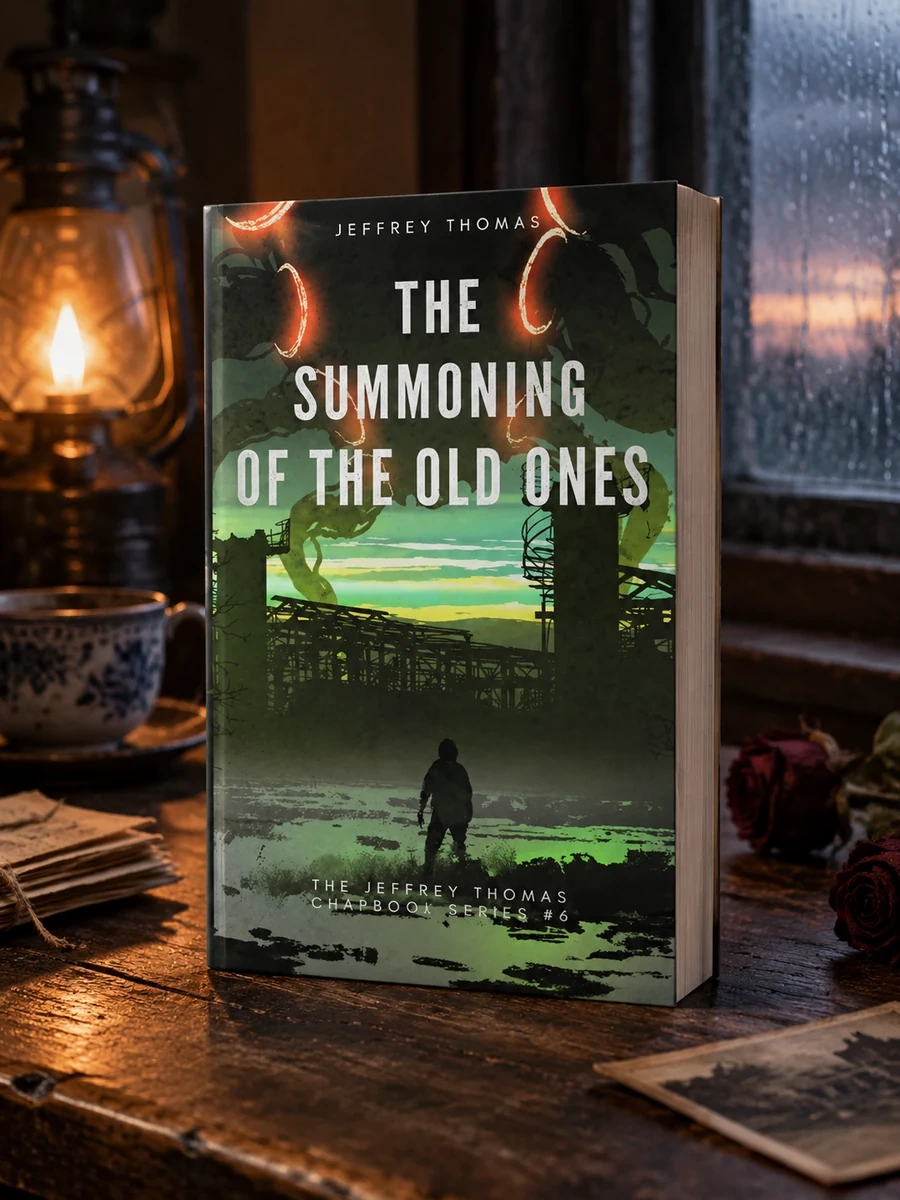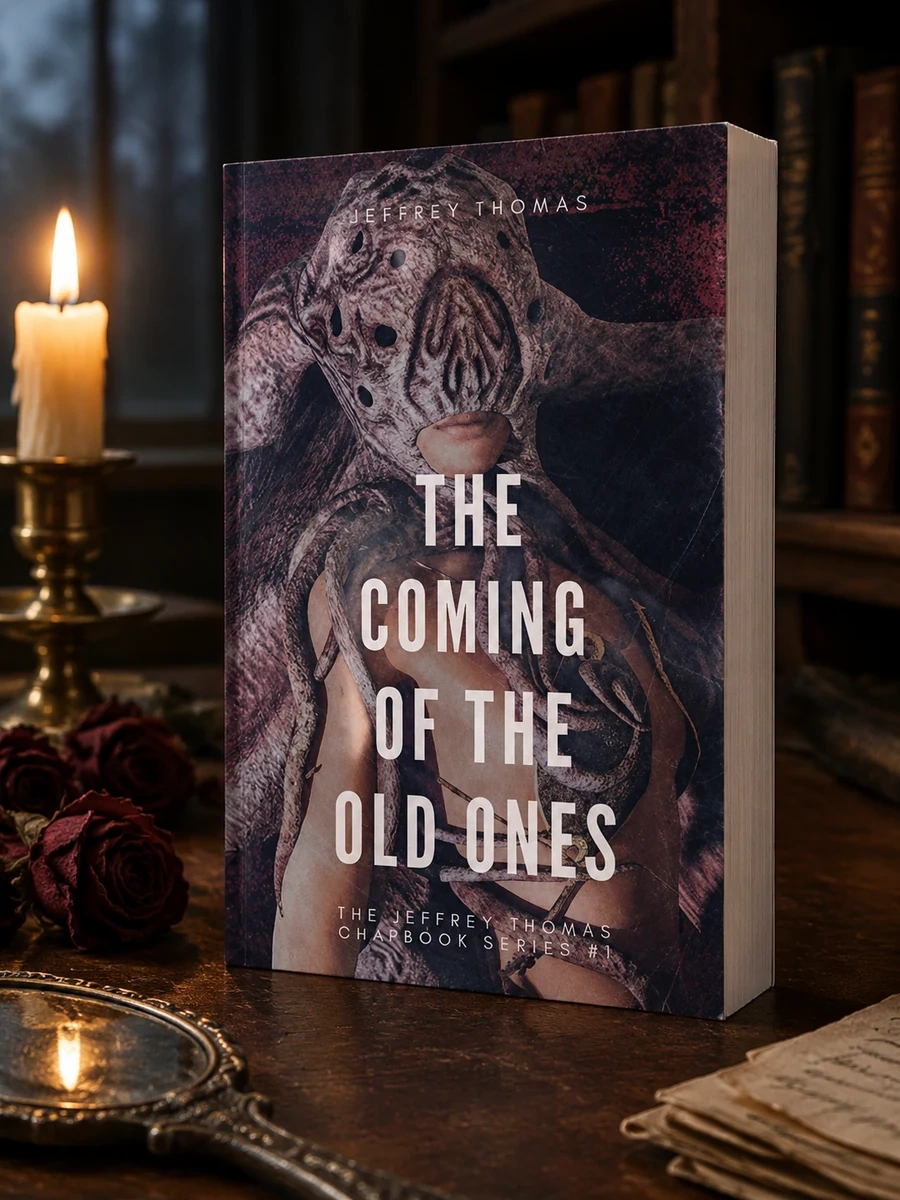

The Coming of the Old Ones: A trio of Lovecraftian Stories
Three Lovecraftian tales by Jeffrey Thomas exploring cosmic dread.
This volume presents three separate narratives that examine the intersection of human history and alien antiquity. Each story operates in a different temporal and spatial context to illustrate the same underlying theme of insignificance. The first narrative grounds its horror in domestic paranoia, while the second uses global catastrophe to highlight geological time. The third reimagines maritime history through a supernatural lens. Thomas avoids conventional horror tropes by focusing on the aftermath of contact rather than the event itself. The stories do not offer heroes who defeat their foes. They present situations where understanding brings only despair. Readers interested in the evolution of mythos fiction will find this collection a coherent exploration of its core tenets.
The book draws directly from the H. P. Lovecraft Cthulhu Mythos tradition. It spans modern urban settings, post-disaster landscapes, and an alternate 1851 maritime history. The work reflects a specific period of independent publishing in 2019.


📝 Description: The Coming of the Old Ones: A trio of Lovecraftian Stories
💎 Our verdict on The Coming of the Old Ones: A trio of Lovecraftian Stories
📖 Why choose it
Why this book is worth reading
Readers seeking a profound sense of existential dread will find this collection compelling, as it focuses on the aftermath of contact rather than the event itself. It appeals to those who appreciate horror that challenges human centrality and offers no heroic resolutions. The book is ideal for fans of grounded scenarios that illustrate humanity's insignificance against ancient powers. Those interested in the evolution of mythos fiction will value its coherent exploration of core tenets through varied historical contexts, from domestic paranoia to maritime history.
⭐ Reader reviews
Reader rating
Thomas delivers three distinct tales that effectively examine humanity's fragility against ancient, indifferent powers. The collection succeeds by avoiding conventional horror tropes, instead focusing on despair brought by understanding. Each narrative operates in a different temporal context, illustrating the same underlying theme of insignificance through specific, grounded scenarios rather than abstract philosophy. This approach makes the cosmic horror feel immediate and terrifying. The book suits readers who enjoy Lovecraftian mythos and speculative fiction that challenges human centrality. It may not appeal to those seeking traditional adventure plots or clear resolutions, but it offers a focused look at cosmic dread.