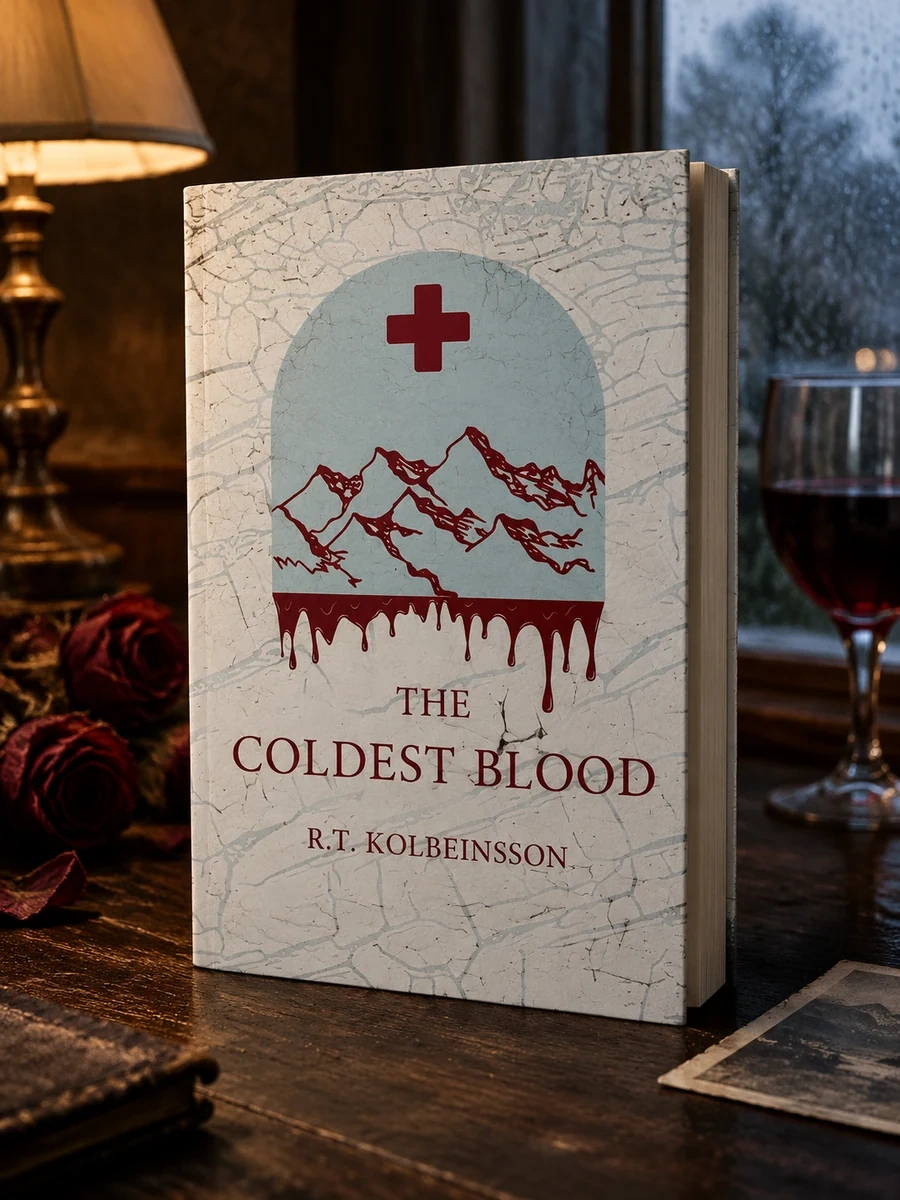
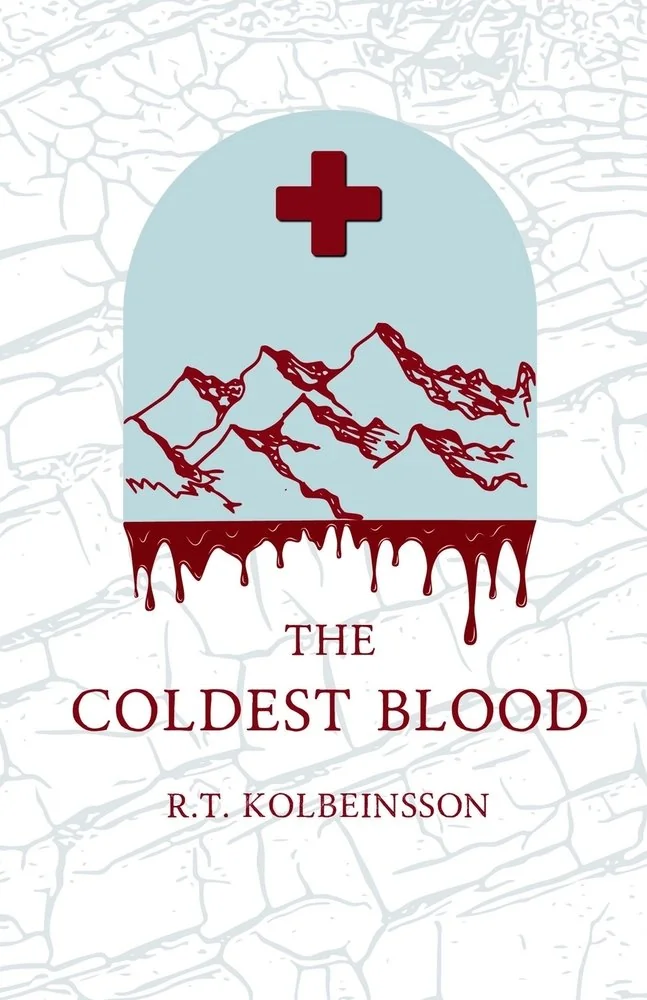
The Coldest Blood
A vampire nurse returns to Iceland during the 1918 flu pandemic.
Ísóld struggles to maintain her cover as a respected medical professional while managing her vampiric urges. The snowy landscape of her homeland mirrors the coldness of her condition. Rumors of a local beast create a parallel threat to her secret. She must confront both external dangers and internal conflicts as she reengages with her past. The narrative examines how trauma and isolation shape identity over time.
The story is set in 1918, a year marked by the worldwide Spanish flu epidemic. It draws on the cultural context of Iceland and the experiences of army nurses during that period. The setting utilizes the snowy highlands to create an atmosphere of isolation and dread.


📝 Description: The Coldest Blood
💎 Our verdict on The Coldest Blood
📖 Why choose it
Why this book is worth reading
Readers interested in the intersection of supernatural horror and historical tragedy will find this title compelling. It offers a unique perspective on the 1918 flu pandemic through the lens of a vampire nurse, exploring themes of identity, trauma, and isolation. The story appeals to those who enjoy complex moral dilemmas regarding monstrosity and the struggle to maintain one's humanity in extreme circumstances. The atmospheric setting of snowy Iceland enhances the gothic tone, providing a chilling backdrop for psychological horror. It is ideal for fans of dark fantasy who appreciate nuanced character studies over action-driven plots.
⭐ Reader reviews
Reader rating
This novel effectively merges historical fiction with supernatural elements, creating a tense atmosphere where the external threat of disease mirrors Ísóld’s internal vampiric hunger. The author skillfully uses the Icelandic landscape to reflect the protagonist's emotional coldness and isolation. While the premise is strong, the narrative focuses heavily on psychological depth rather than plot twists, which may deter readers seeking fast-paced horror. It suits those who appreciate slow-burn gothic tales and complex explorations of hidden identities. The moral ambiguity surrounding Ísóld’s condition adds layers to the traditional vampire trope, making it a thoughtful addition to the genre for discerning horror enthusiasts.
You might also like
See more →






Have a question about this item?
Ask about the edition, condition, delivery or anything else — we reply by email or phone, usually within a day.
