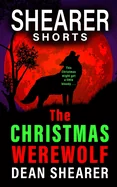
The Christmas Werewolf: A Short Story
A short story about a werewolf struggling with family during Christmas.
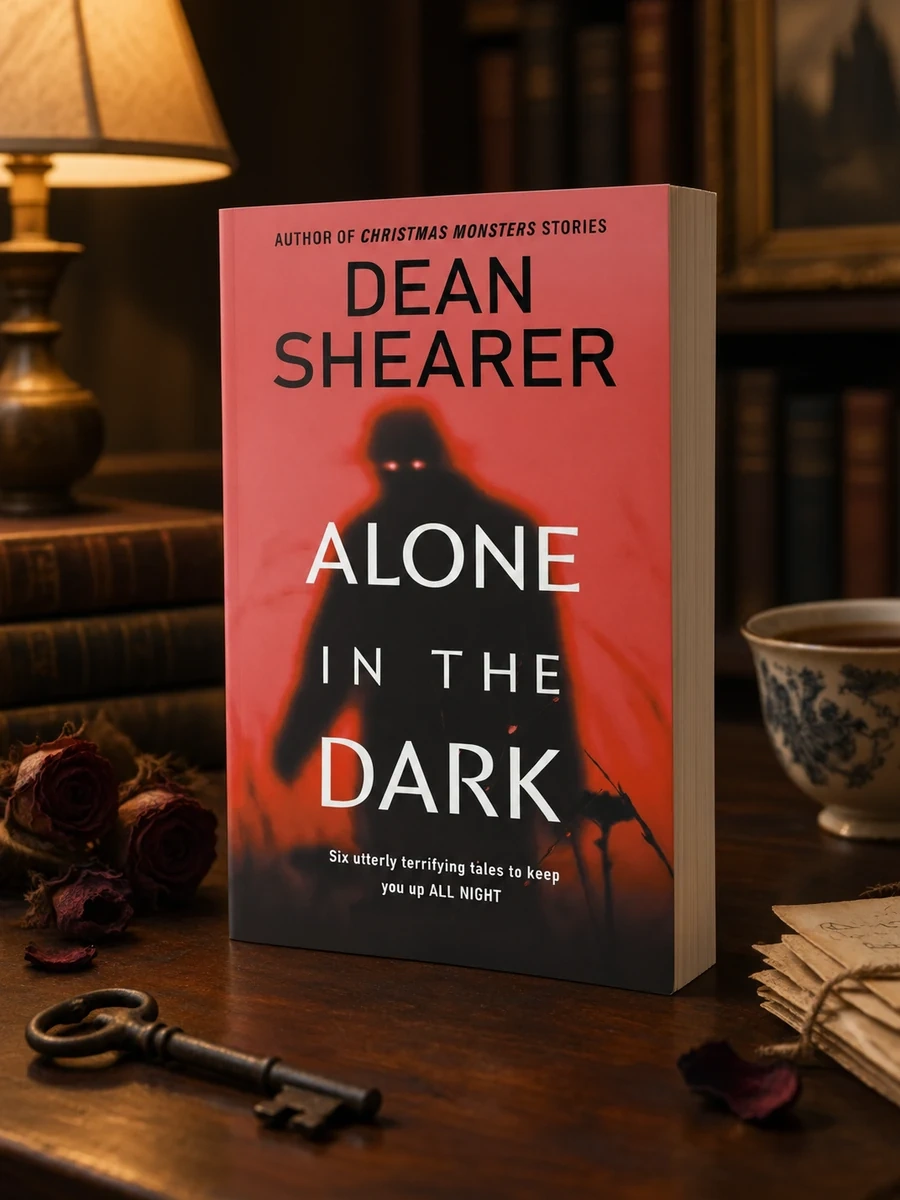
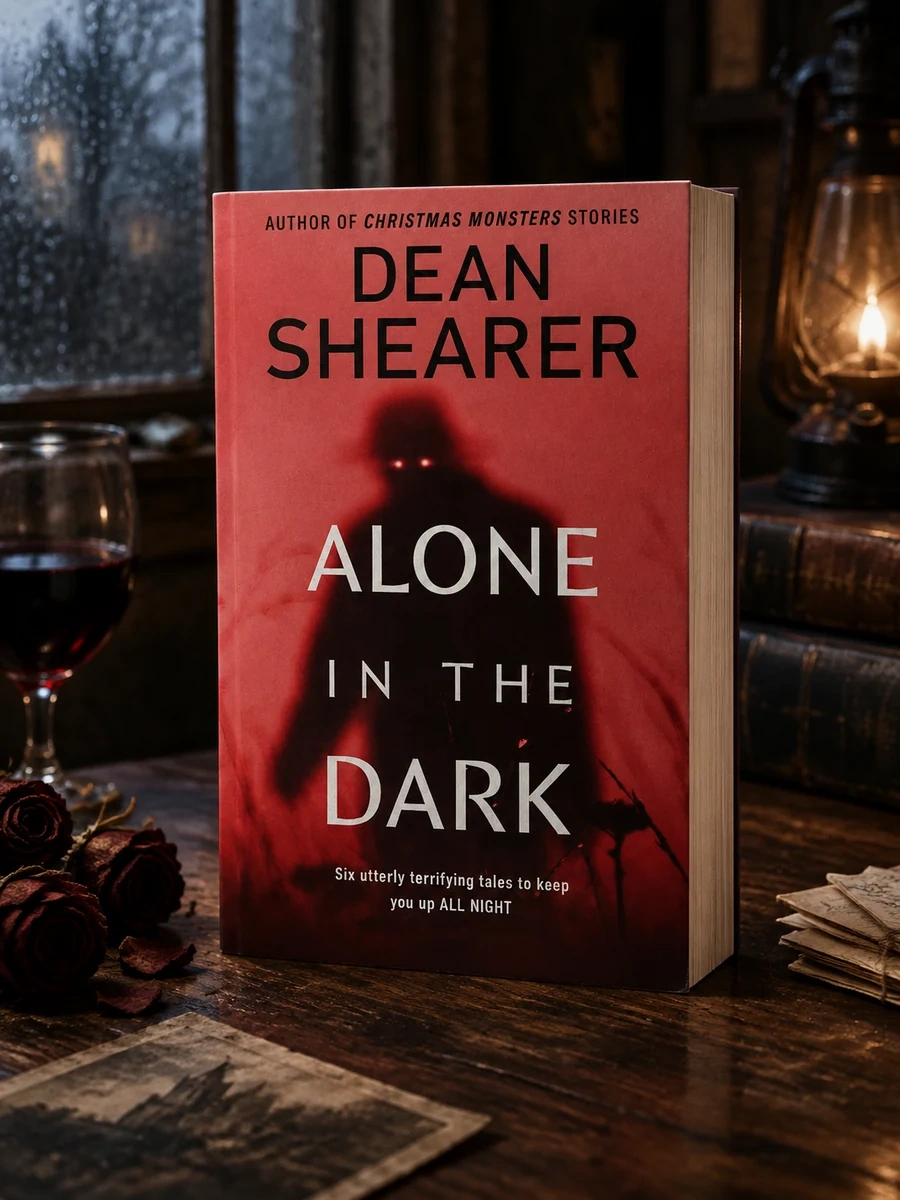
Tom has maintained control over his lycanthropy for one full year. He travels to his hometown to celebrate the holidays with his relatives. The environment proves difficult for his self-discipline. Annoying people around him test his restraint daily. Shearer writes this tale as a warning about holiday stress. The narrative does not glorify the violence but shows its consequences. Tom must manage his impulses while surrounded by family. The story ends without resolving his long-term condition. Readers interested in seasonal horror will appreciate the concise format. The book offers a glimpse into a character’s ongoing battle. It is not a comprehensive guide to werewolf mythology. The focus remains tightly on Tom’s immediate experience.
This short story sits within the tradition of American holiday horror fiction. It draws on the concept of lycanthropy, a supernatural condition involving transformation into a wolf. The narrative is set during the Christmas period, utilizing festive traditions as a backdrop for conflict.


📝 Description: The Christmas Werewolf: A Short Story
💎 Our verdict on The Christmas Werewolf: A Short Story
📖 Why choose it
Why this book is worth reading
Readers who enjoy short, focused horror fiction will find much to appreciate in this concise winter tale. It speaks directly to anyone who has ever felt their patience wearing thin while surrounded by relatives during the holidays. Those looking for a quick, spooky read that uses lycanthropy as a metaphor for managing intense frustration and internal chaos will gain a compelling glimpse into Tom's immediate experience. Rather than offering a comprehensive guide to werewolf mythology or grand epics, the narrative stays tightly grounded in the physical reality of maintaining restraint against the rising pressure of annoying family dynamics.
⭐ Reader reviews
Reader rating
Dean Shearer crafts a compact narrative that brilliantly contrasts traditional Christmas warmth with the cold, primal reality of lycanthropy. By anchoring the horror in the relatable stress of a hometown holiday visit, the story highlights the tension between festive expectations and dangerous impulses without resorting to easy resolutions or happy endings. The narrative relies on a strong sense of internal struggle and dark humor to keep readers engaged from start to finish. While readers seeking deep character development or lengthy epics may find the format too brief, it suits enthusiasts of werewolf lore who want a fast-paced winter scare. The tale delivers a stark warning about holiday tension, making it an entertaining choice for a brisk seasonal sitting.