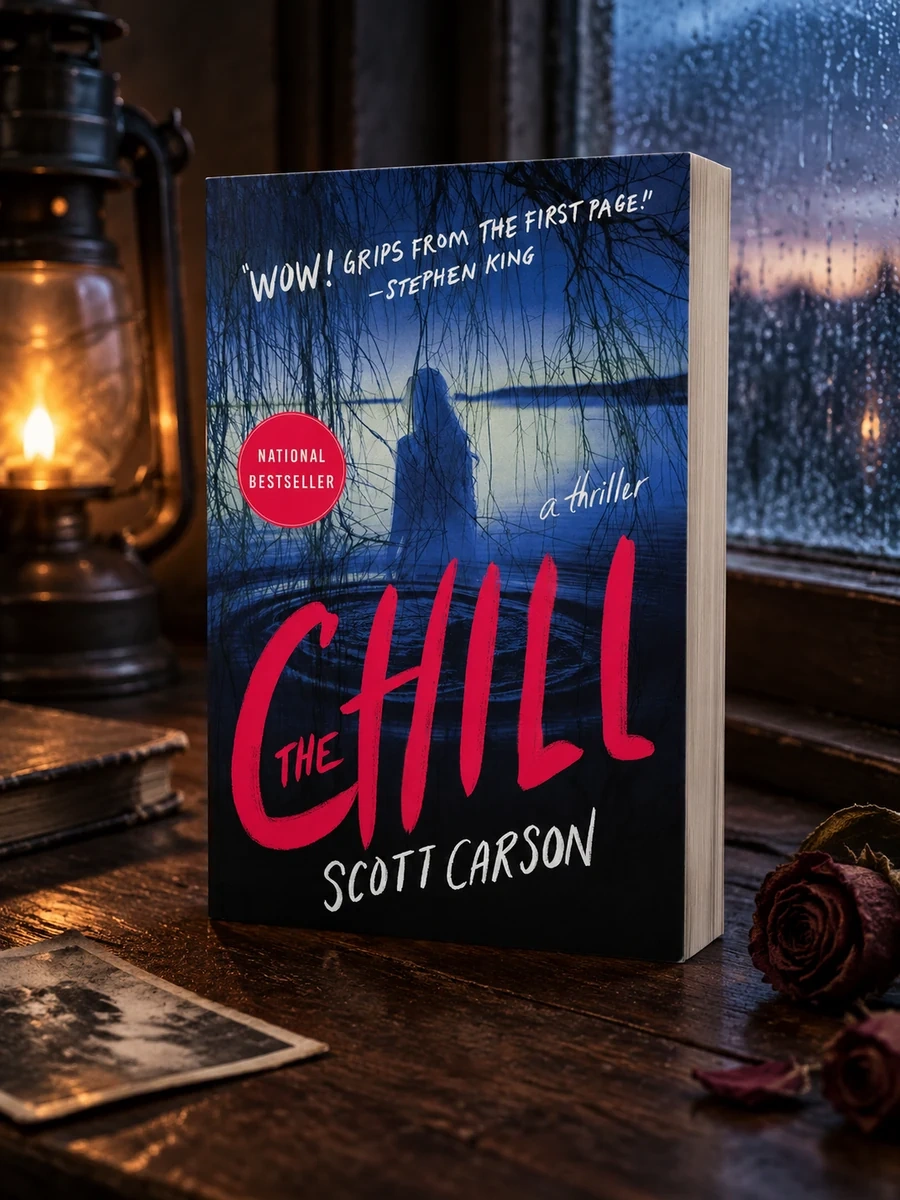
The Chill
A novel about a drowned village rising from a New York reservoir to demand sacrifice.
An inspector monitors a failing dam in upstate New York and finds that the Chilewaukee reservoir hides more than old ruins of a town destroyed for public water. The plot explores how forced removal left a curse requiring blood payment. Carson uses the location to criticize political choices made for the greater good, showing they create real spiritual debts. As water rises, old grievances surface, forcing characters to face the truth that some sacrifices are demanded by forces older than the dam.
The story is set in upstate New York within the context of early twentieth-century infrastructure projects. It reflects American gothic traditions where rural landscapes hold supernatural power against urban encroachment. The narrative draws on the historical period when politicians from Manhattan prioritized water supply for millions over local communities, creating a legacy of resentment that manifests as supernatural retribution in the present day.


📝 Description: The Chill
💎 Our verdict on The Chill
📖 Why choose it
Why this book is worth reading
Readers who appreciate slow-burn atmospheric horror and literary depth will find this book rewarding. It appeals to those interested in the intersection of political history and supernatural consequences, offering a critique of how 'the greater good' can mask spiritual debts. Fans of moody narratives about isolation, historical grievance, and nature’s retaliation against city growth will enjoy the thematic richness. Those seeking quick action or romance should look elsewhere, as this work demands patience for its exploration of fear and the inescapable weight of the past.
⭐ Reader reviews
Reader rating
Carson effectively utilizes the Chilewaukee reservoir setting to weave a tale of spiritual retribution rooted in forced displacement. The novel excels in building dread through the rising water and the lingering presence of a drowned community, creating a palpable sense of isolation. It succeeds as a critique of political choices, framing historical wrongs as active, demanding forces rather than mere background details. The tone is appropriately moody and heavy, avoiding cheap shocks for deeper psychological unease. This book suits readers who value thematic substance over plot speed, offering a chilling meditation on memory, guilt, and the price of progress in the American Gothic tradition.
📖 Read on the blog
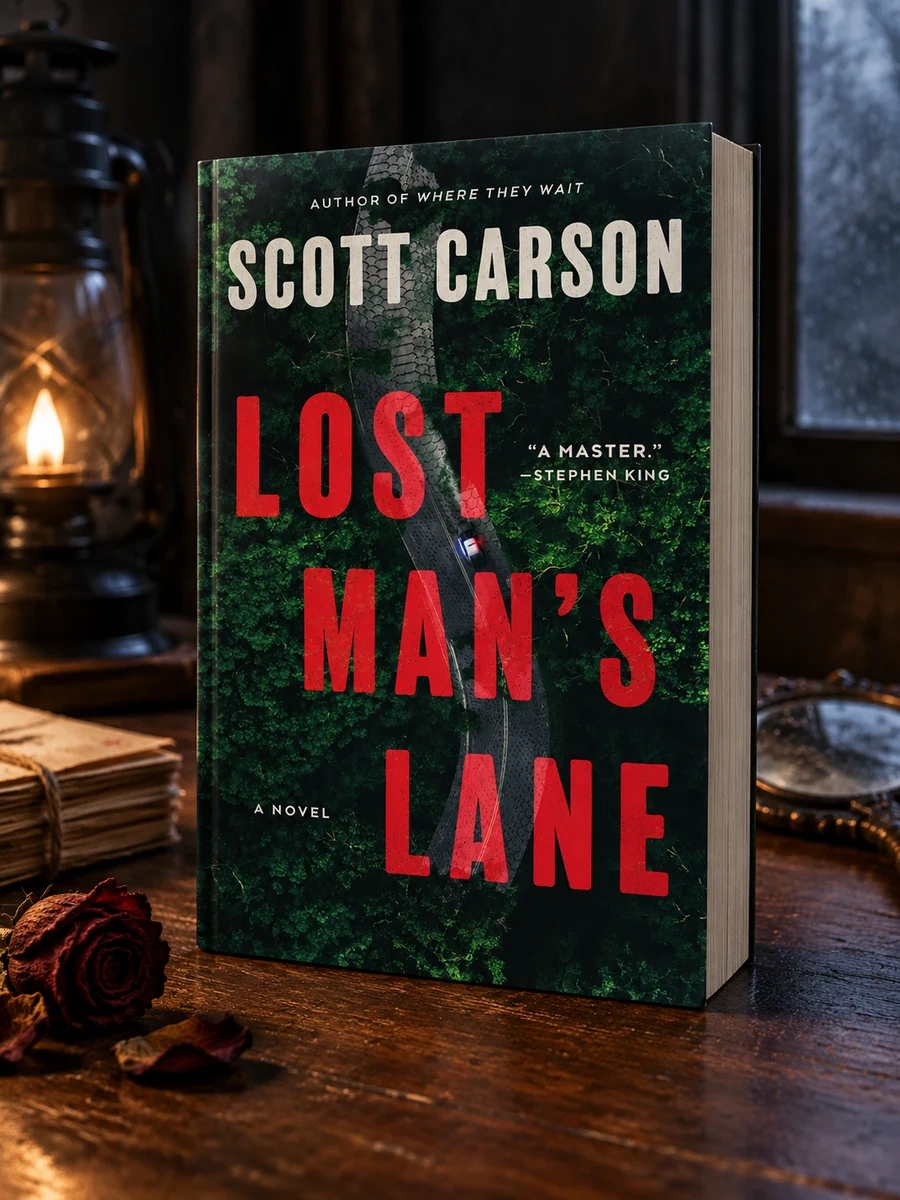
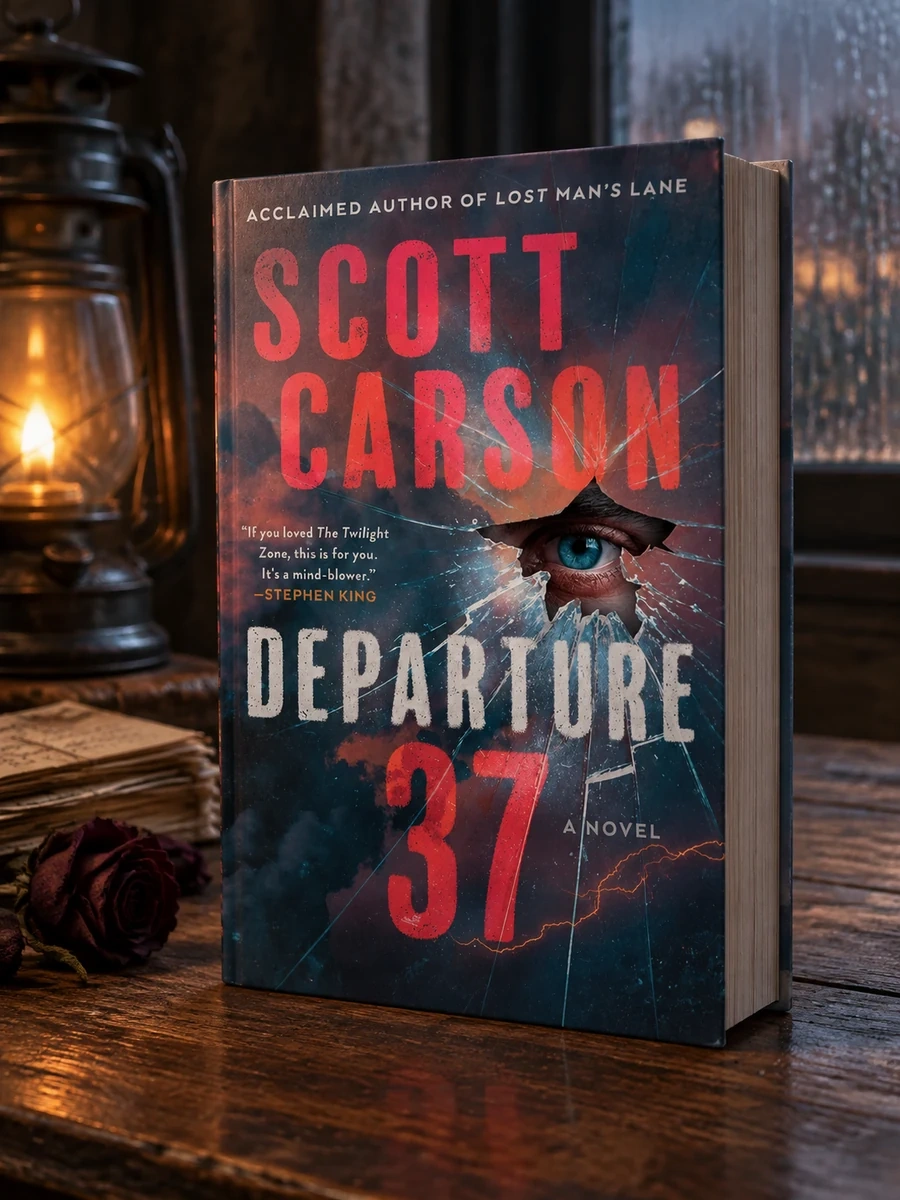
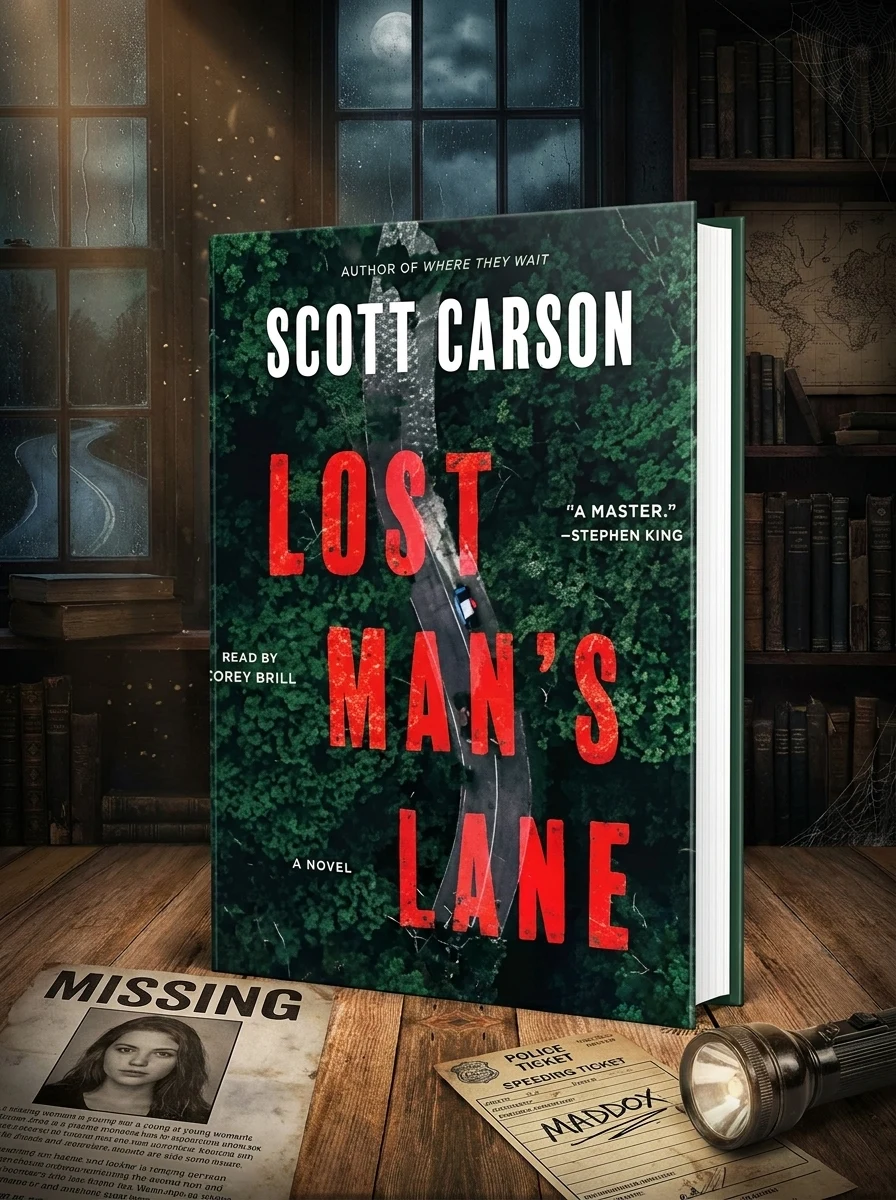
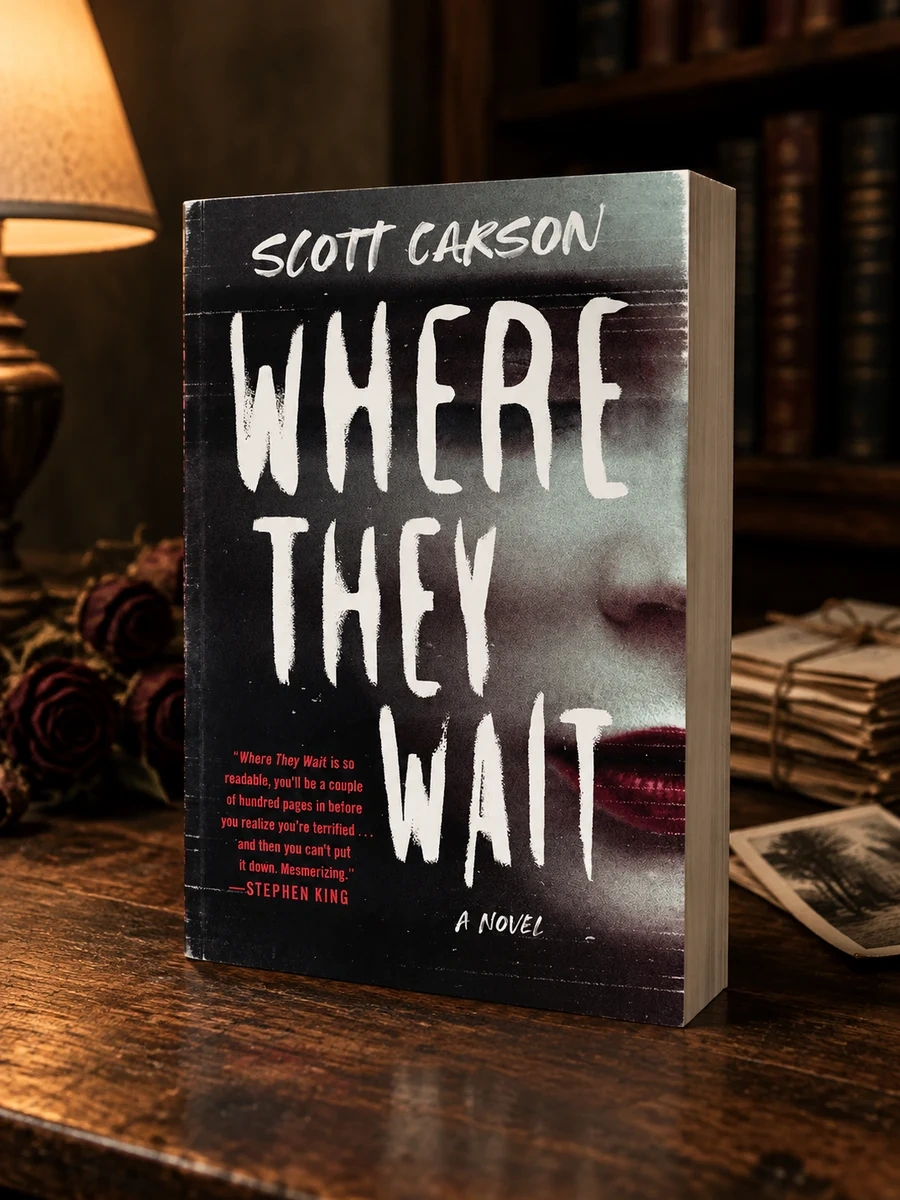
✍️ More books by this author Scott Carson
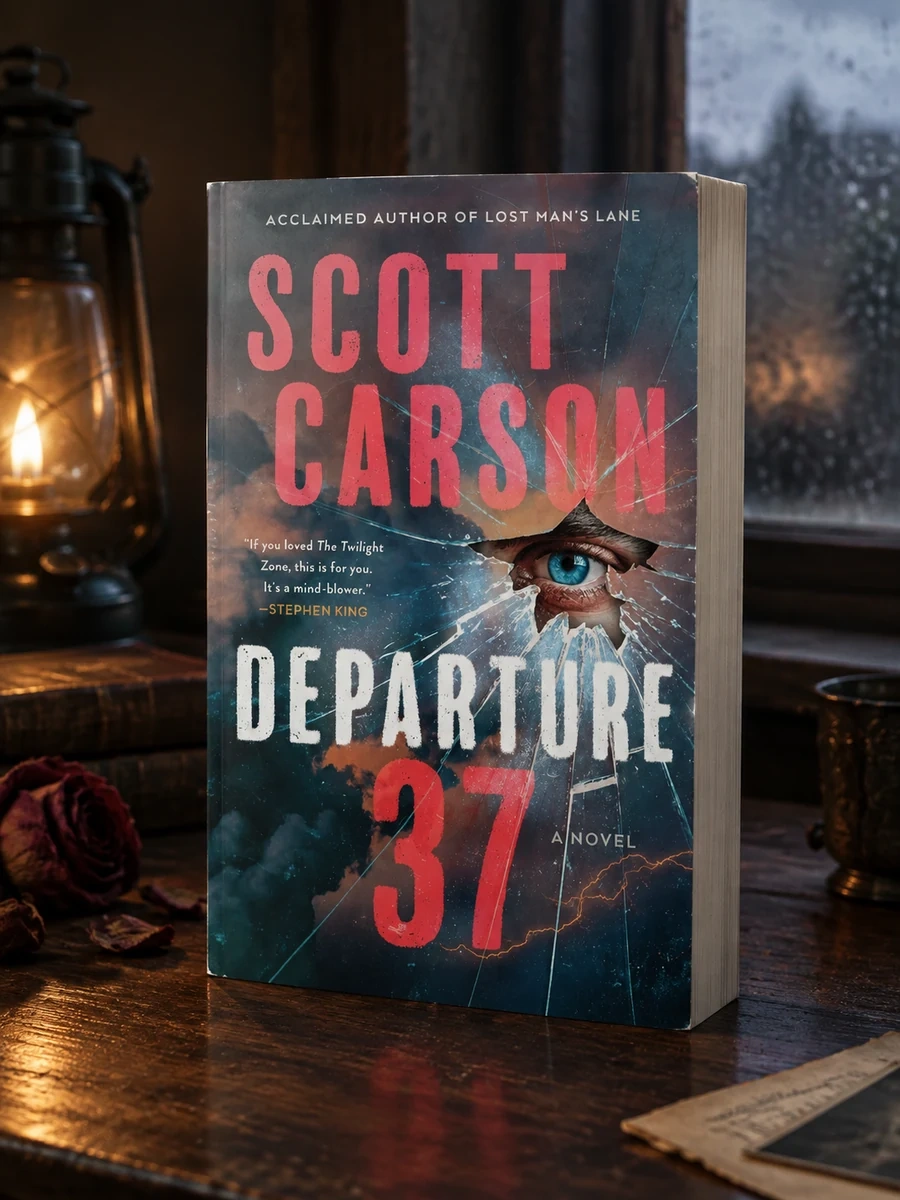


🏛 Books from this publisher Atria Books

You might also like
See more →


Have a question about this item?
Ask about the edition, condition, delivery or anything else — we reply by email or phone, usually within a day.
