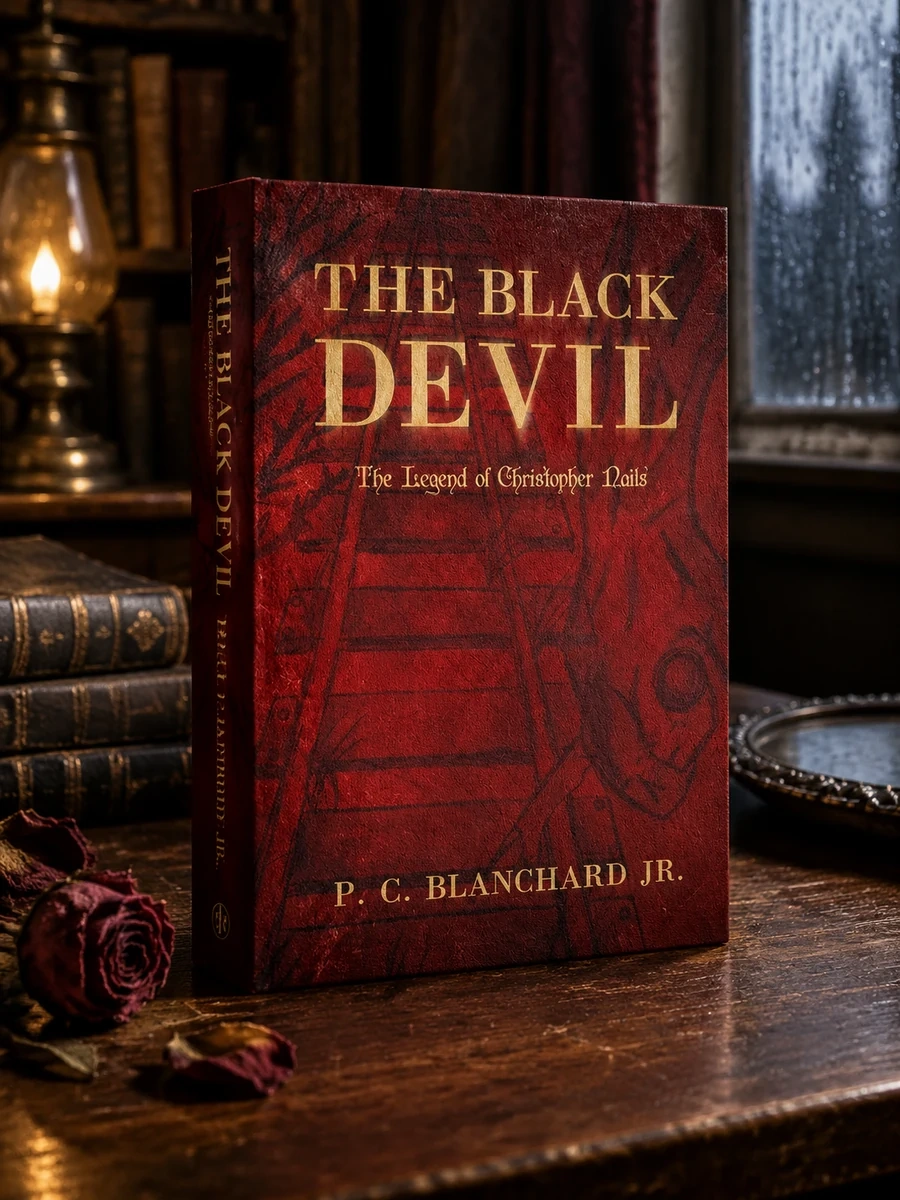
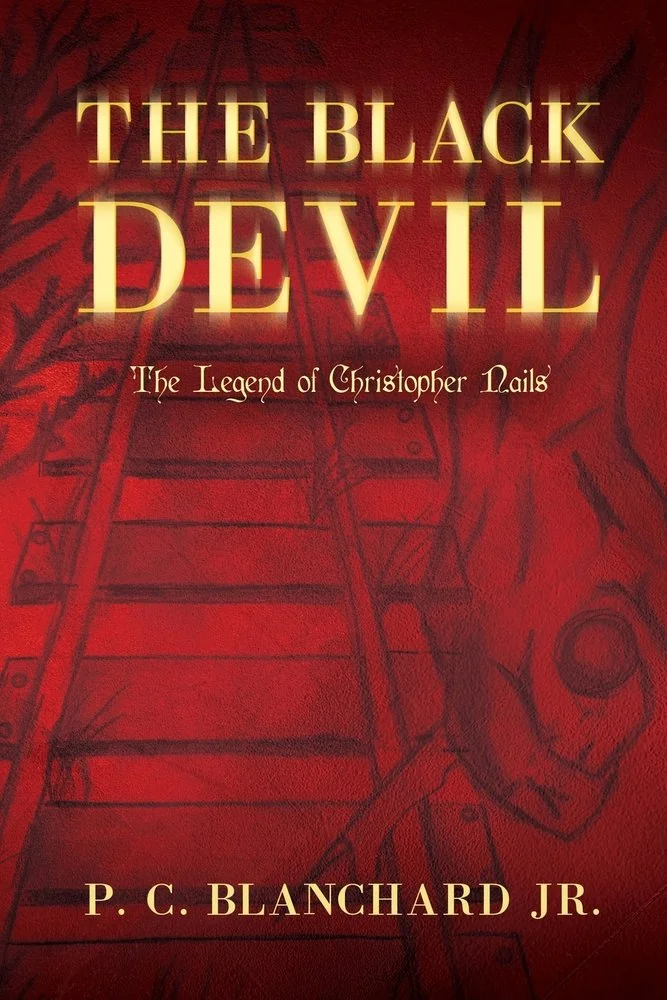
The Black Devil
A 1930s Louisiana boy becomes a supernatural avenger after family tragedy.
Christopher Nails grows up in the shadow of injustice during the Great Depression. His father is wrongly jailed, leaving him to protect his siblings from a soulless Sheriff. A plea for help changes their fate forever. The novel tracks his transformation into a villain who leaves a lasting mark on those who wronged him. Blanchard uses this personal history to explore themes of revenge and identity in the American South.
The Black Devil is set in 1930s Louisiana during the Great Depression. It utilizes Southern folklore and historical hardships to ground its supernatural elements. The narrative reflects the social tensions of the era, specifically focusing on the impact of racism and economic despair on a family's survival and moral compass.


📝 Description: The Black Devil
💎 Our verdict on The Black Devil
📖 Why choose it
Why this book is worth reading
This book appeals to readers who appreciate complex character studies within the horror genre, particularly those interested in the psychological toll of racism and cruelty. It is ideal for audiences seeking gothic fiction where moral lines are blurred rather than clearly defined. Readers who enjoy stories exploring how trauma reshapes identity and challenges traditional heroic arcs will find value here. Those drawn to atmospheric tales set against historical backdrops like the Great Depression may also engage with its themes of revenge and survival. The narrative offers a chilling examination of human nature, making it suitable for those willing to confront darkness without the comfort of clear distinctions between right and wrong.
⭐ Reader reviews
Reader rating
Blanchard delivers a potent blend of supernatural thriller and psychological horror, anchored by a compelling protagonist’s descent into vengeance. The novel excels in its atmospheric depiction of 1930s Louisiana, using Southern lore to frame a story about the erosion of morality under pressure. Its strength lies in exploring the blurred lines between victimhood and villainy, offering a nuanced look at how injustice can forge a 'devil.' This work suits readers who prefer gothic fiction with ambiguous heroes over traditional narratives. While it avoids lighthearted entertainment, its rigorous examination of trauma and identity provides a rewarding experience for those seeking depth and chilling realism in their horror literature.
You might also like
See more →



Have a question about this item?
Ask about the edition, condition, delivery or anything else — we reply by email or phone, usually within a day.
